Quick Answer
Chamoli in winter is quieter and colder, but it’s far from closed. Badrinath’s doors shut on 16 November 2026, and the Valley of Flowers and Hemkund Sahib are closed until summer. But Auli, Joshimath, Gopeshwar and the winter treks to Kuari Pass and Brahmatal stay open. You can still pray to Lord Badri Vishal in winter, at Pandukeshwar and at the Narsingh Temple in Joshimath. December to February is the best time for snow, skiing and snowy treks in Chamoli.
So if you’re planning a winter trip, here’s exactly what you can see, what you can’t, and how to plan it.
Winter Changes Chamoli, It Doesn’t Close It
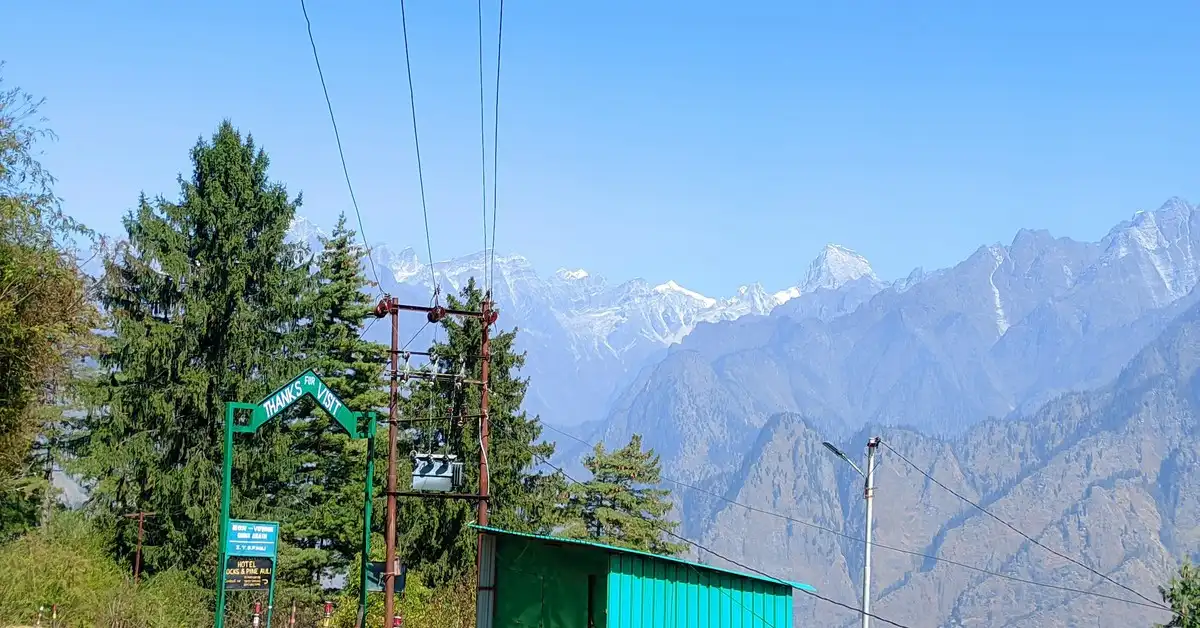
Imagine waking up in Joshimath on a January morning. The roofs are white with frost, and smoke rises from the kitchen chimneys. Across the valley, the peaks shine pink in the first light, and the air is so clear you feel you could touch them.
That’s Chamoli in winter. The big summer crowds have gone home. The pilgrim buses have stopped. In their place come skiers heading to Auli, trekkers walking up to snowy meadows, and families who want to see real snow for the first time.
Some places close for the season, and that’s important to know. But many others stay open, and winter is actually their best time.
What’s Closed in Chamoli in Winter
These places close every winter because of heavy snow. Don’t plan a trip around them until they reopen.
| Place | Status in winter | When it usually reopens |
|---|---|---|
| Badrinath Temple | Closed from 16 November 2026 | Late April or May |
| Mana Village | Mostly empty, road beyond Lambagad often blocked by snow | With Badrinath |
| Valley of Flowers | Closed (season ran 1 June to 31 October 2026) | 1 June |
| Hemkund Sahib | Closed (yatra ended 10 October 2026) | Late May |
About the Badrinath road: In winter, the highway beyond Govindghat and Lambagad is often blocked by snow. There’s nothing to visit up there anyway, because the temple and Mana village are closed. So plan to stop at Joshimath or Pandukeshwar.
Where Is Badrinath Worshipped in Winter?
This is the question most pilgrims ask. The answer is simple: Lord Badri Vishal’s worship moves down the valley for the winter, so you can still have darshan.
When the doors closed this year, the temple committee said the palanquins of Lord Uddhava and Lord Kuber would go to Yog Badri in Pandukeshwar for the winter. The palanquins of Lord Garuda and the seat of Adi Guru Shankaracharya would go to the Narsingh Temple in Jyotirmath (Joshimath). You can read the DD India report on the winter move for details.
So in winter, you can visit:
- Yog Badri Temple, Pandukeshwar: Between Govindghat and Joshimath, on the Badrinath road.
- Narsingh Temple, Joshimath: In Joshimath town, easy to reach and open through the winter.
For the full story of Badrinath, its timings and how it works in summer, see our guide to Badrinath Temple timings and history.
What’s Open in Chamoli in Winter
Here’s what stays open, and at its best, from December to February.
Auli: Snow, Skiing and Big Views
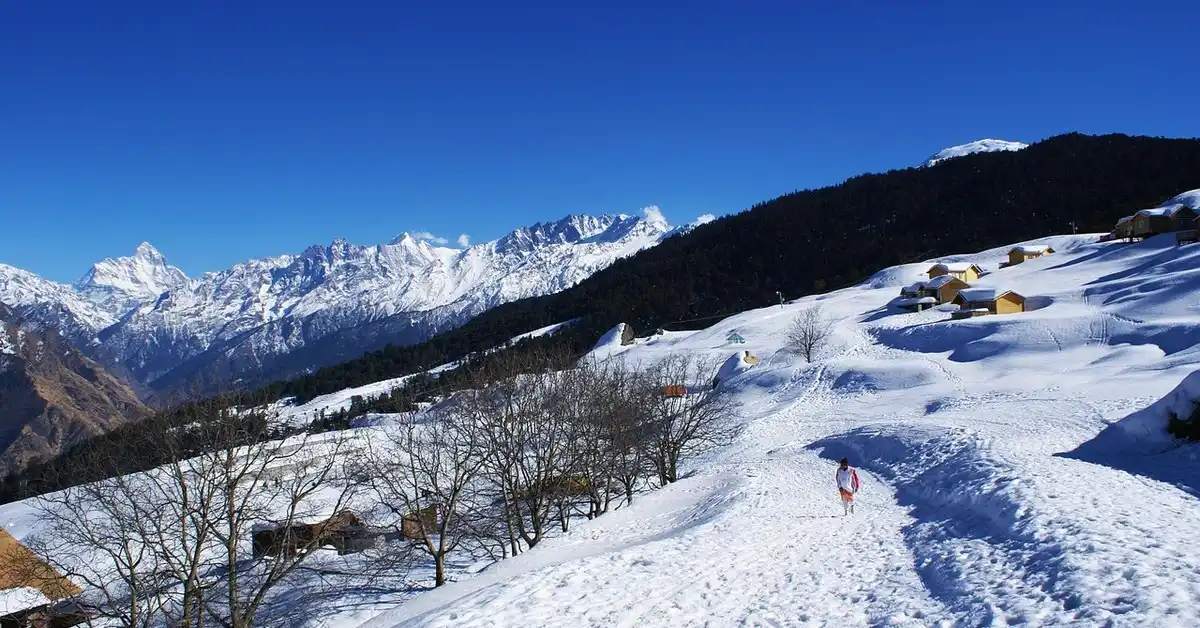
Auli is the star of winter in Chamoli. From late December to February, the slopes are usually covered in snow, and skiing courses and snow play run through the season. On a clear day, you can see Nanda Devi and other big peaks right in front of you.
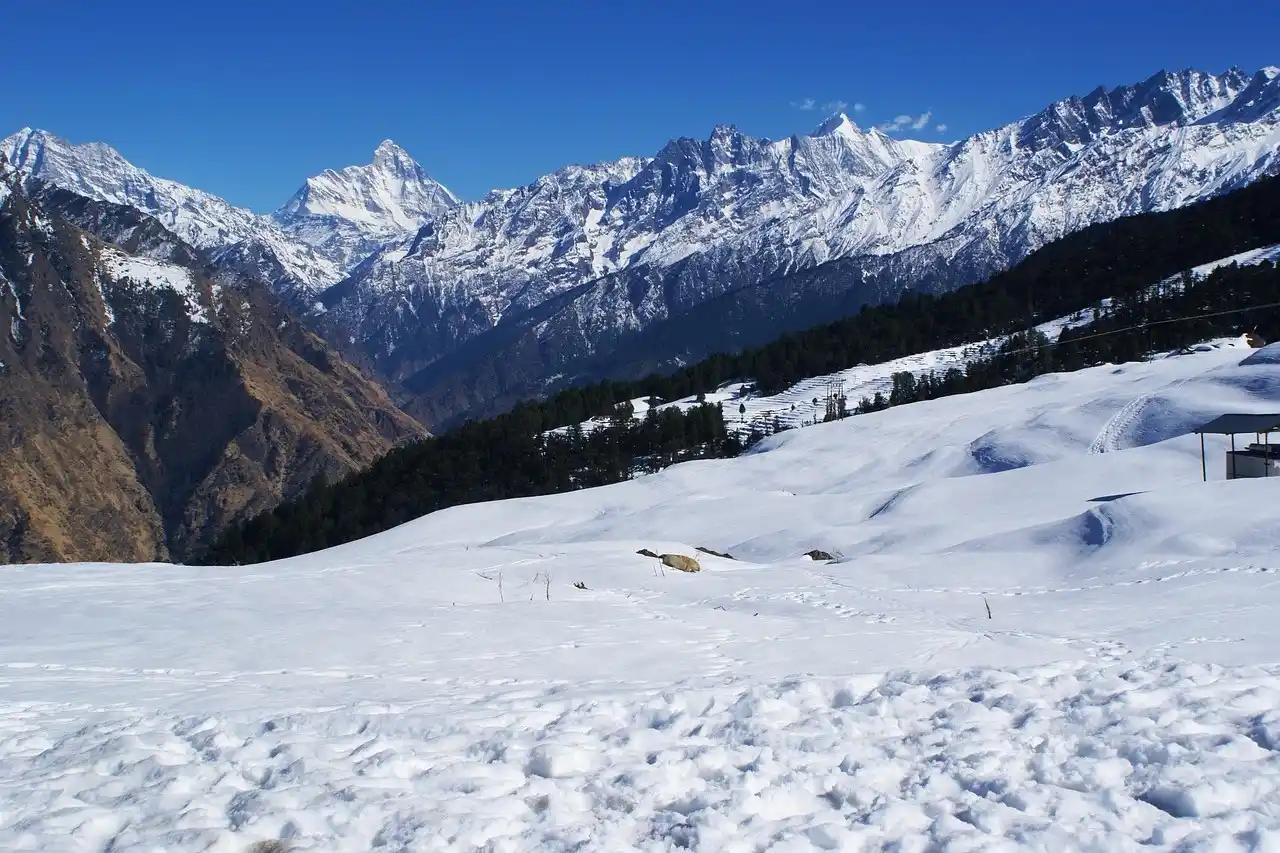
Important: The Joshimath–Auli ropeway has been closed since January 2023, because land subsidence damaged it, and there’s no confirmed date for it to restart. You’ll need to go up by road. It’s about 16 km from Joshimath, and shared jeeps and taxis run the route. After heavy snow, vehicles sometimes can’t go beyond a certain point, so check before you leave.
To pick a hotel and plan the road transfer, read our guide on where to stay in Auli and how to reach it.
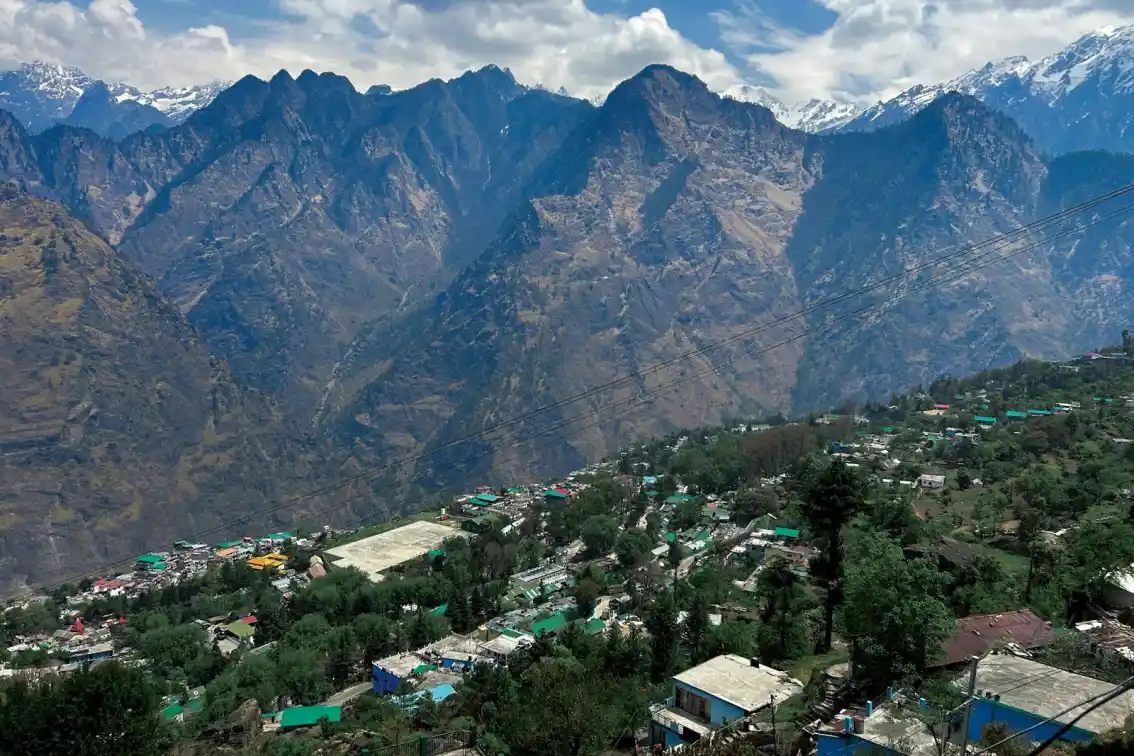
Joshimath: Your Winter Base
Joshimath is the main town and the easiest base for a winter trip. It has hotels, homestays, shops, ATMs and the Narsingh Temple. From here, you can visit Auli for the day and start the Kuari Pass trek.
Pandukeshwar: Winter Darshan
The small village of Pandukeshwar becomes important in winter, because it’s the winter seat of Lord Uddhava and Lord Kuber from Badrinath. It’s a quiet, peaceful stop on the Badrinath road.
Gopeshwar: The Gopinath Temple
Gopeshwar, the district headquarters, is lower and less snowy than Joshimath. Its old Gopinath Temple, with its tall stone tower and ancient trident, stays open all year, and it makes a calm winter stop.
Winter Treks: Kuari Pass and Brahmatal
Winter is the best season for two of Chamoli’s most loved treks.
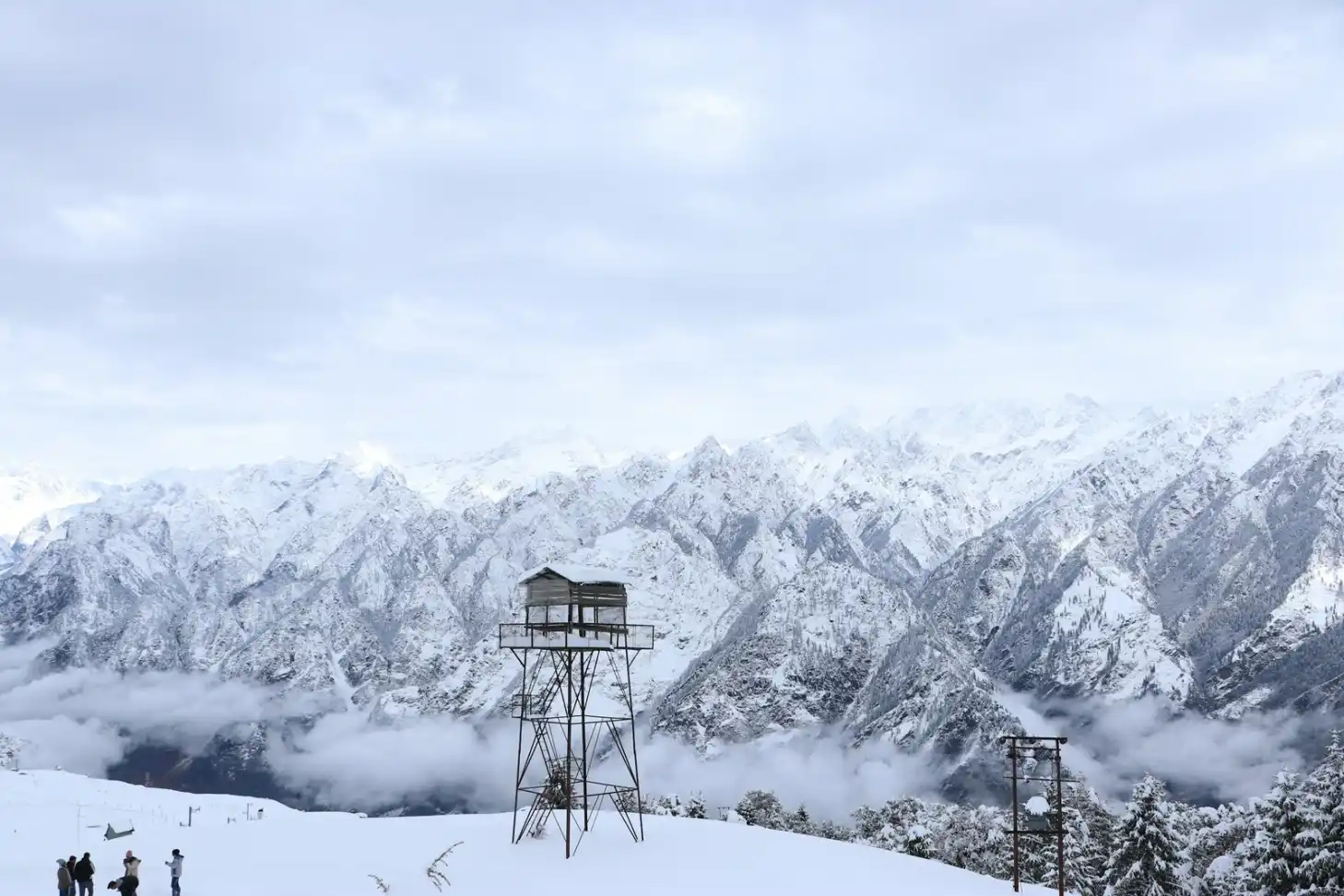
- Kuari Pass: Starts near Joshimath and gives huge views of Nanda Devi, Dronagiri and other peaks over snowy meadows. Read our Kuari Pass trek itinerary.
- Brahmatal: A frozen lake, snowy forests and a ridge with big Himalayan views. It’s a favourite winter trek for beginners. See our Brahmatal trek itinerary.
Both treks need a registered guide or trekking group in winter, warm gear and good fitness.
Chamoli Weather in Winter
Winter in Chamoli is cold, and it gets colder the higher you go.
- December: Cold and mostly clear. Snow starts at higher places like Auli.
- January: The coldest month. Heavy snowfall is common, and roads can close for a day or two after a big storm.
- February: Still snowy up high, with slowly longer and brighter days.
Nights in Auli and on the trek routes often drop well below freezing. Joshimath and Gopeshwar are milder, but still very cold at night.
How to Reach Chamoli in Winter
The main road to Chamoli runs from Rishikesh through Devprayag, Rudraprayag and Karnaprayag to Joshimath. It stays open in winter, but it’s a long drive of around 9 to 10 hours.
Simple winter driving tips:
- Start early. Try to reach before dark, because hill roads get icy and dark early in winter.
- Break the journey. Stop for the night in Rudraprayag or Karnaprayag if you’re coming from Delhi.
- Check the roads after snow. Snow can block the roads to Auli and beyond Joshimath for a day or two.
- Use a local driver. Drivers who know the hills handle ice and narrow roads much better.
Sample 4-Day Chamoli Winter Plan
- Day 1: Drive from Rishikesh to Joshimath. Rest and adjust to the cold.
- Day 2: Visit the Narsingh Temple in Joshimath, then go up to Auli for snow and skiing.
- Day 3: Drive to Pandukeshwar for winter darshan at Yog Badri, and enjoy the quiet valley.
- Day 4: Drive back down, stopping at Gopeshwar’s Gopinath Temple if you have time.
For longer trips and plans for every season, see our 3, 5 and 7-day Chamoli itineraries.
What to Pack for Chamoli in Winter
- A heavy down jacket and a fleece
- Thermal innerwear
- A woollen cap, gloves and thick socks
- Waterproof shoes with good grip
- Sunglasses for the snow glare
- Sunscreen and lip balm
- A torch and a power bank
- Cash, because ATMs can run out in small towns
Frequently Asked Questions
Is Badrinath open in December?
No, Badrinath is not open in December. The temple’s doors closed for winter on 16 November 2026 and usually reopen in late April or May. In winter, Lord Badri Vishal is worshipped at Yog Badri in Pandukeshwar and at the Narsingh Temple in Joshimath, where pilgrims can still have darshan.
Can we visit Joshimath in winter?
Yes, you can visit Joshimath in winter. The town stays open, with hotels, homestays and shops, and it’s the main base for Auli and the Kuari Pass trek. The Narsingh Temple, the winter seat of Badrinath’s worship, is in Joshimath. Nights are very cold, so book a room with a heater.
Is the Valley of Flowers open in winter?
No, the Valley of Flowers is closed in winter. It’s covered in deep snow, and its 2026 season ran from 1 June to 31 October. Hemkund Sahib is closed too. Both usually reopen in late May or June. In winter, visit Auli or do the Kuari Pass or Brahmatal trek instead.
Is the Auli ropeway working in winter?
No, the Joshimath–Auli ropeway is not working. It has been closed since January 2023, after land subsidence in Joshimath damaged it, and there’s no confirmed restart date. You can reach Auli by road, which is about 16 km from Joshimath, using shared jeeps or taxis. Check the road after heavy snow.
What is the best time to see snow in Chamoli?
The best time to see snow in Chamoli is from late December to February. Auli usually has its best snow cover in January and February, which is also the main skiing season. Snow is never guaranteed on a fixed date, so check the weather forecast a few days before you travel.
Is it safe to travel to Chamoli in winter?
Yes, Chamoli is generally safe to visit in winter if you plan carefully. Drive in daylight, use a local driver, and check road updates after snowfall. Roads to Auli and beyond Joshimath can close for a day or two after heavy snow, so keep a spare day in your plan.
Plan Your Chamoli Winter Trip
Chamoli in winter isn’t about the summer pilgrimage. It’s about snow on the pine trees, quiet temples, frosty mornings and wide white slopes in Auli.
Know what’s closed, plan around what’s open, and keep a spare day for the weather. Do that, and Chamoli in winter will give you some of the most peaceful and beautiful days you’ll ever spend in the Himalayas.