Quick Answer
The Kuari Pass trek takes 6 days from Rishikesh and back. You drive to Joshimath on Day 1, walk through oak forest to Gulling on Day 2, and reach the open meadows of Khullara on Day 3. Day 4 is the summit day, when you climb to Kuari Pass at about 12,500 ft and see Nanda Devi up close. On Day 5 you walk down, and on Day 6 you drive home. The trail is about 22 to 25 km on foot, and the deepest snow comes from late December to February.
That’s the whole Kuari Pass trek itinerary in a few lines. Keep reading to see what each day feels like, how the routes of different trek companies differ, and whether this trek fits you, your friends or your family.
Where the Mountains Open Like a Door
Picture yourself on summit morning. You’ve been walking up a white slope since dawn, your breath is coming out in little clouds, and your legs feel heavy in the snow. Then you take the last few steps onto the pass, and the whole sky seems to open in front of you. Nanda Devi stands there like a giant, with Dronagiri, Kamet and Trishul lined up around her. The person next to you just says “Wow,” and that’s all anyone can say.
That moment is why people love the Kuari Pass trek.
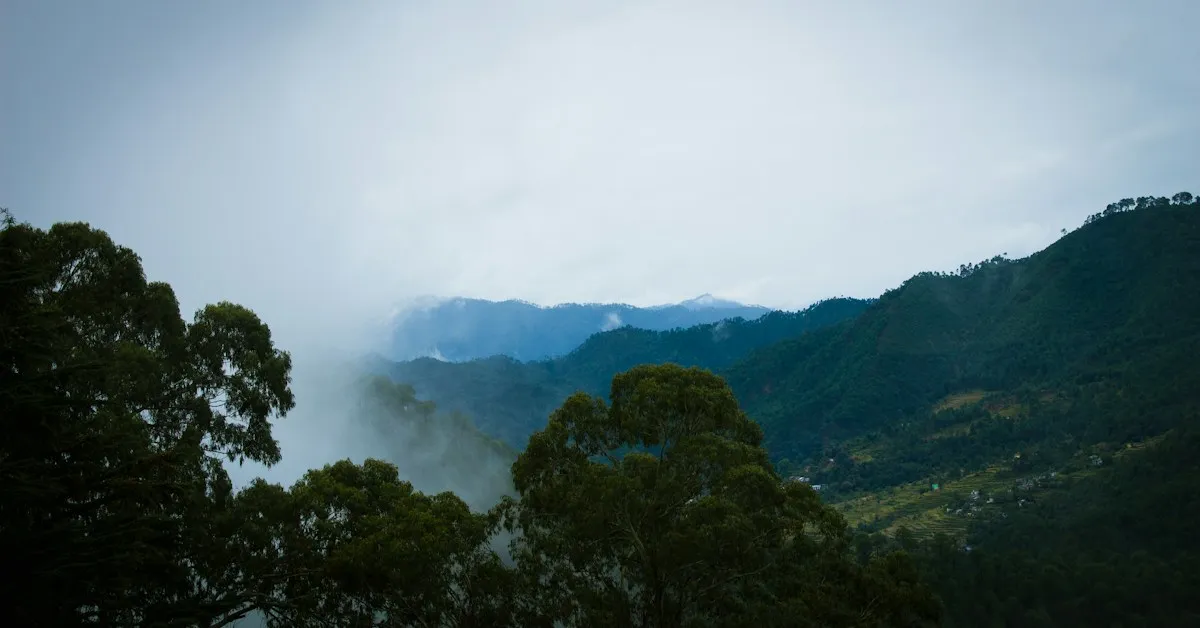
The trek sits in the Chamoli district of Uttarakhand, just above Joshimath, and it’s one of the best-known winter treks in India. The word “Kuari” is often explained as a doorway, and that fits perfectly, because the pass really does feel like a door into the high Himalayas. You don’t need to be an expert to walk through it. You need fit legs, warm clothes and a plan you trust.
Kuari Pass Trek at a Glance
Here are the main facts in one place, so you can check them in a minute before you read the full day-by-day plan.
| Detail | What to Expect |
|---|---|
| Duration | 6 days (Rishikesh to Rishikesh) |
| Walking distance | About 22 to 25 km in total |
| Highest point | Kuari Pass, about 12,500 ft (around 3,800 m) |
| Base town | Joshimath, with the trail starting near Dhak village |
| Difficulty | Easy to moderate (harder in deep snow) |
| Best time for snow | Late December to February |
| Big peaks you’ll see | Nanda Devi, Dronagiri, Kamet, Chaukhamba, Trishul, Hathi Ghoda and Neelkanth |
| District | Chamoli, Uttarakhand |
Kuari Pass Trek Itinerary: Day-by-Day Plan
The plan below is the most common route, which starts and ends near Dhak village. Different trek companies use slightly different campsites, and some start from a place called Karchi and finish the trek by walking down to Auli. The shape of the trek stays the same, though, so use this plan as your guide and check your operator’s version before you book.
Day 1: Rishikesh to Joshimath (About 250 km by Road)
Your first day is a long drive into the mountains. Rishikesh to Joshimath is about 250 to 260 km, and it usually takes 9 to 11 hours. Most groups leave very early in the morning, so it’s smart to reach Rishikesh a day before.
The road runs beside the Alaknanda river for hours, and you’ll pass Devprayag, Rudraprayag, Karnaprayag and Chamoli on the way. By evening, you’ll reach Joshimath, which is now officially called Jyotirmath. Joshimath is also where Lord Badrinath is worshipped in winter, after the Badrinath temple closes for the season, so a short evening visit to the Narsingh Temple is a nice way to begin your trek.
Day 2: Joshimath to Dhak, Then Trek to Gulling
This morning, you’ll drive about 12 to 14 km from Joshimath to Dhak village, where your walk begins. The trail climbs slowly through a forest of oak and rhododendron trees, and the sound of your own footsteps on the frozen leaves is often the only noise around you.
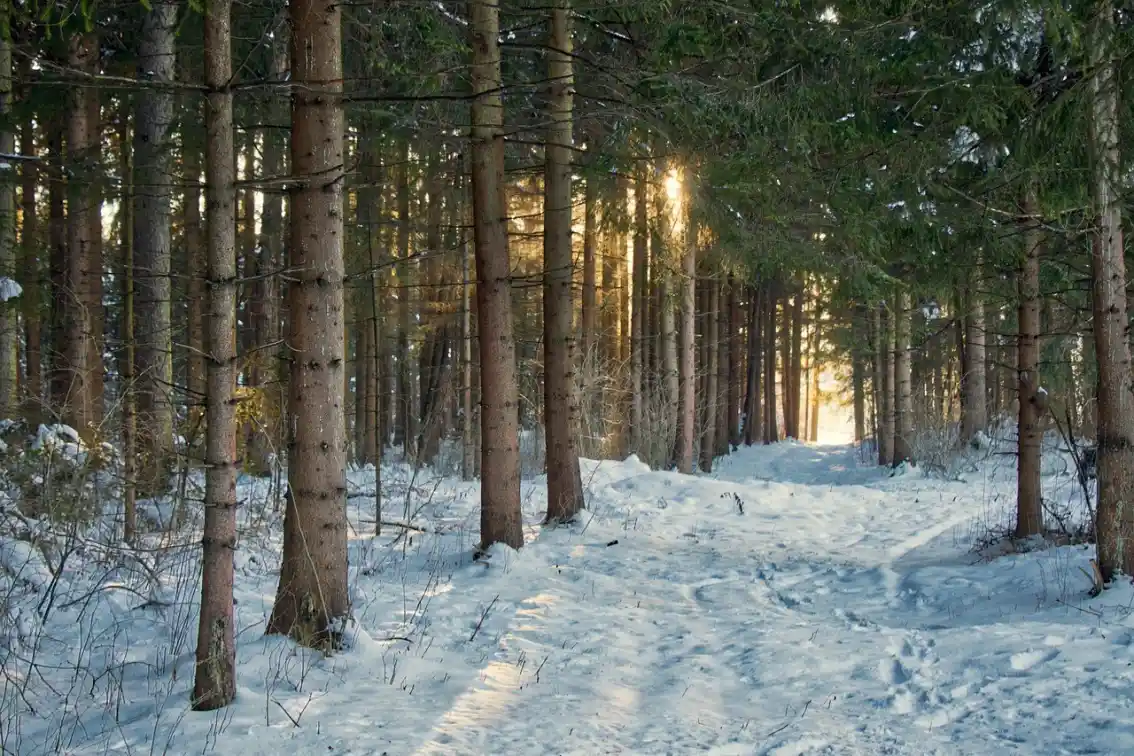
Walking days on this trek are usually around 5 to 7 km, and today is a gentle start. Your camp tonight is at Gulling, although some operators use a different first camp, such as Akhrotghetta. It’s a quiet forest campsite, and it’s a good place for your body to start getting used to the height.
Day 3: Gulling to Khullara
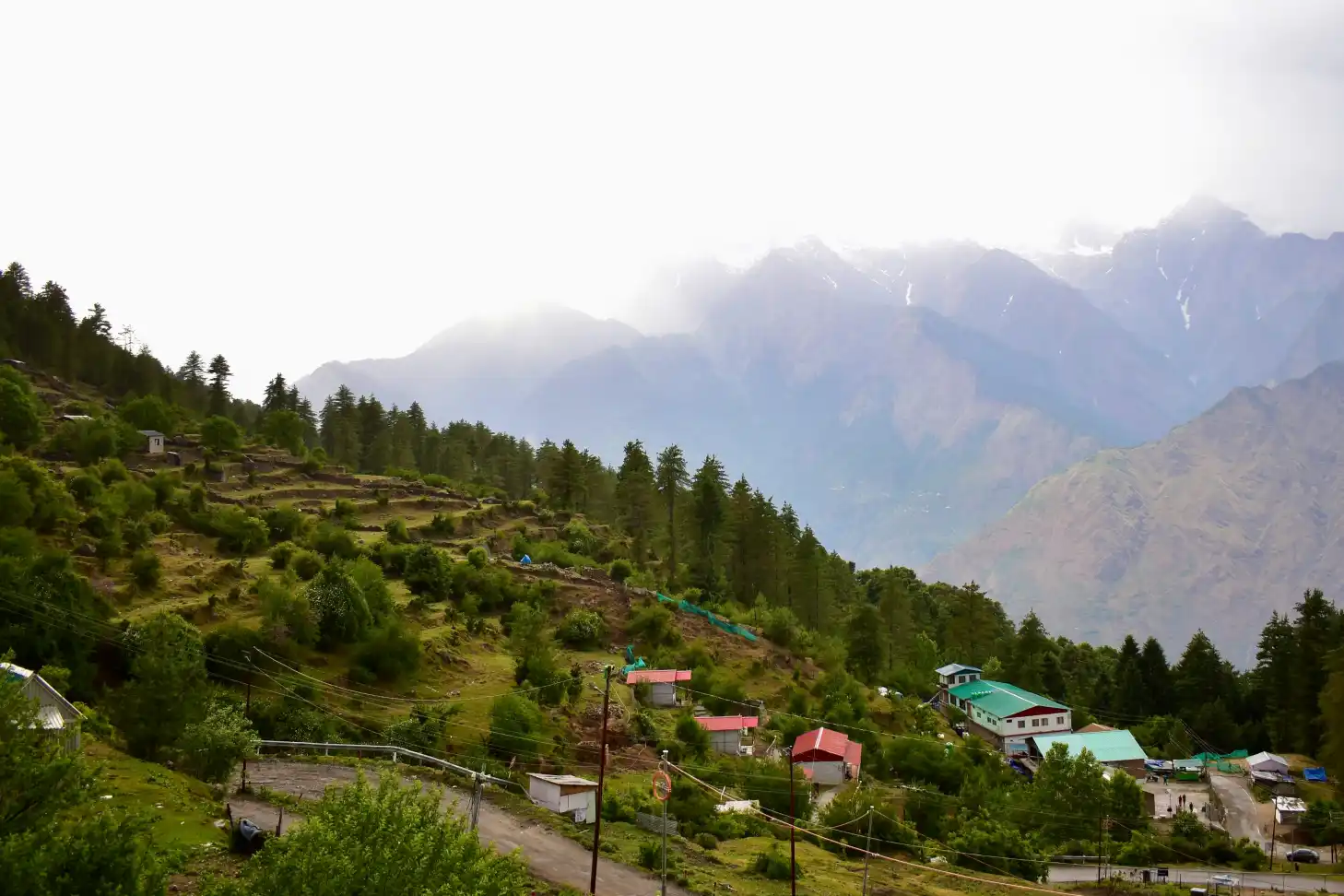
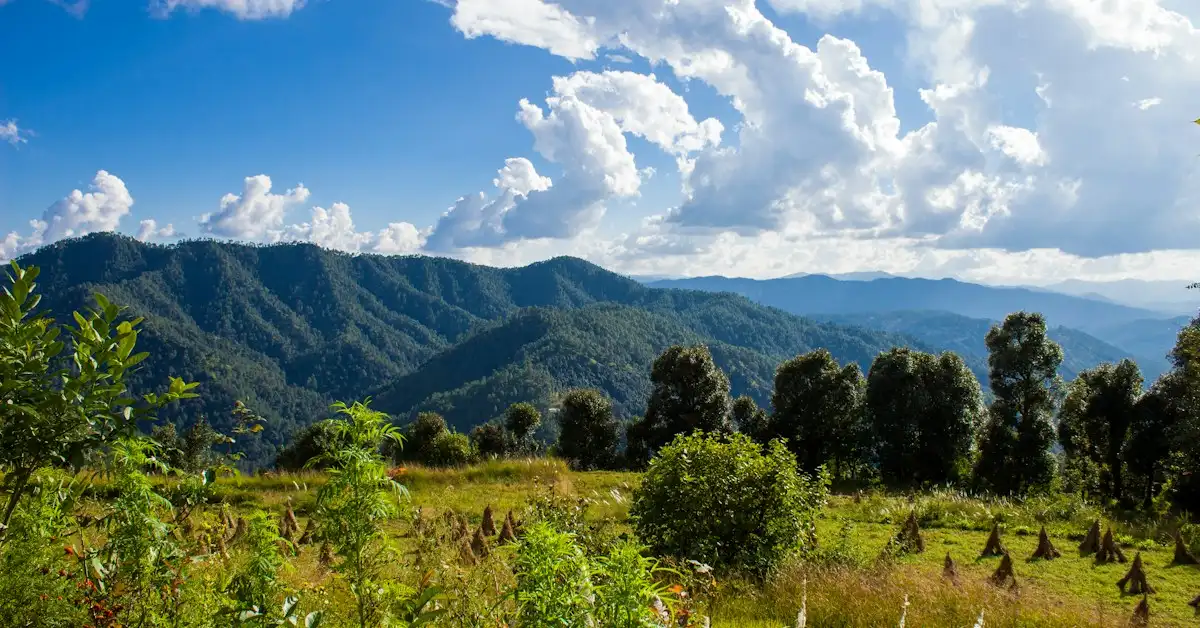
Today the forest opens up, and you’ll walk out into wide mountain meadows. Khullara is the campsite in these meadows, at around 11,000 ft, and in winter it’s often deep in snow.
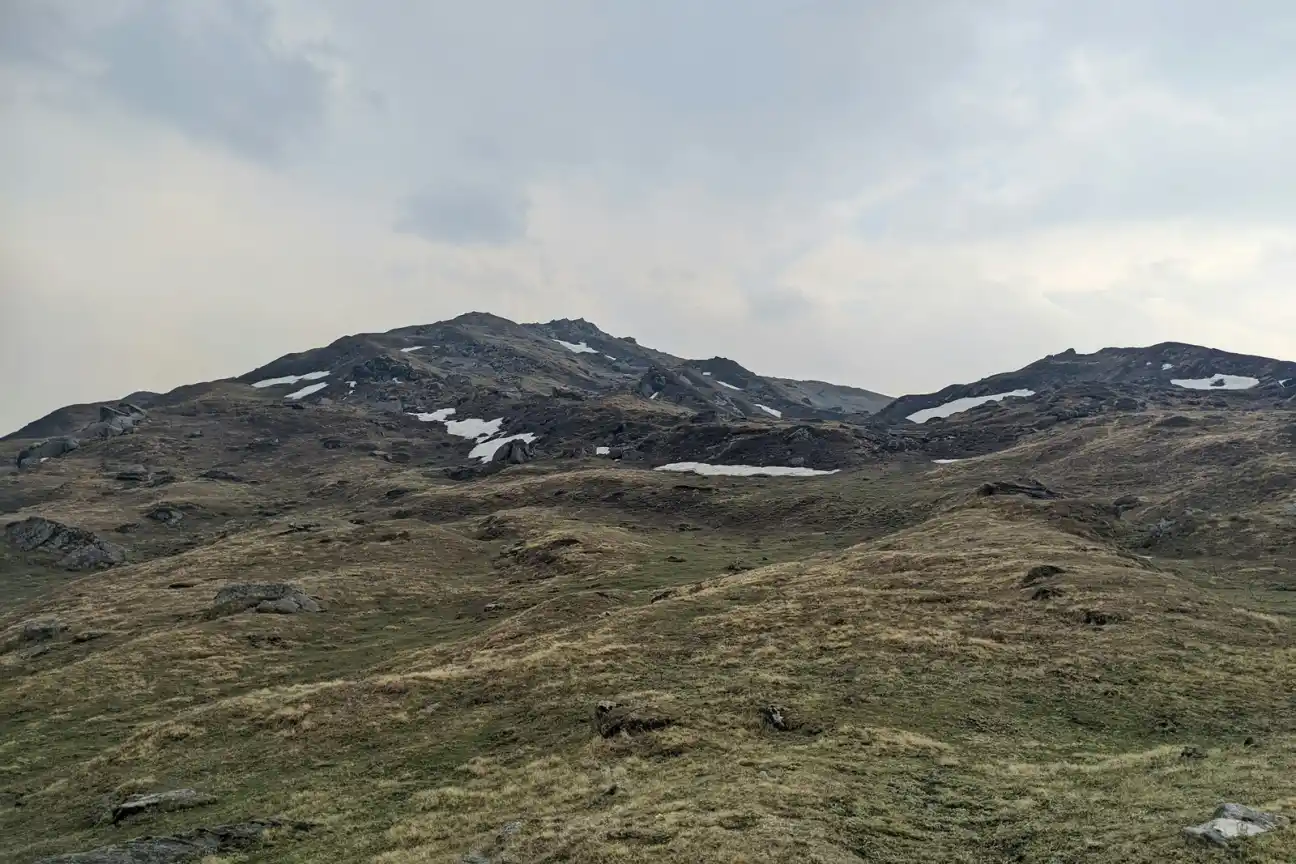
This is the day when the big peaks start to show up properly. As the sun goes down, you’ll see the snow on the mountains turn orange and then pink. Eat an early dinner, sleep well, and lay out your warm layers before you go to bed, because tomorrow starts before sunrise.
Day 4: Khullara to Kuari Pass and Back (Summit Day)
This is the longest and best day of the trek. You’ll leave early, climb through snowy meadows, and reach Kuari Pass at about 12,500 ft. Depending on your route and the snow, the whole day usually takes 5 to 9 hours of walking.
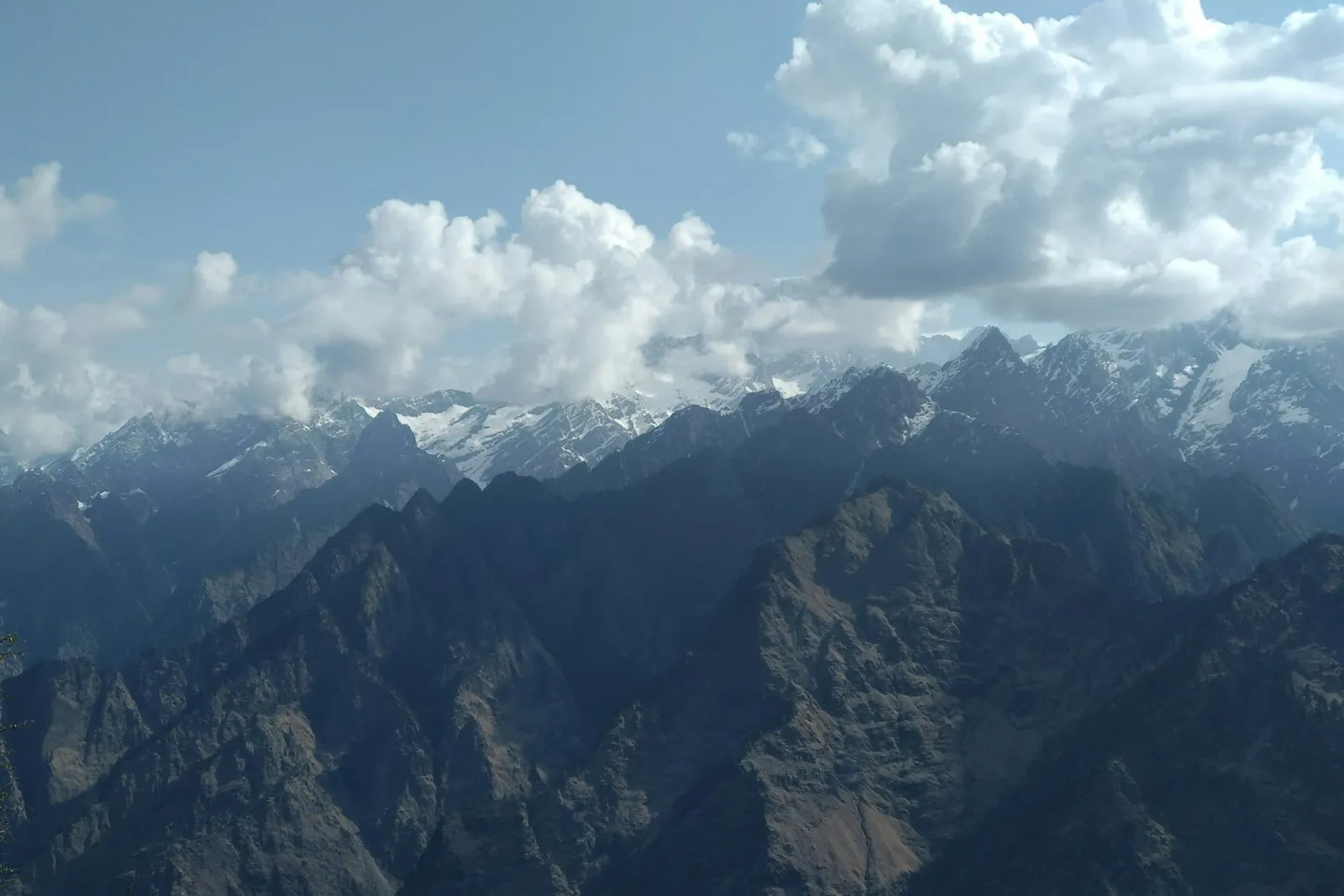
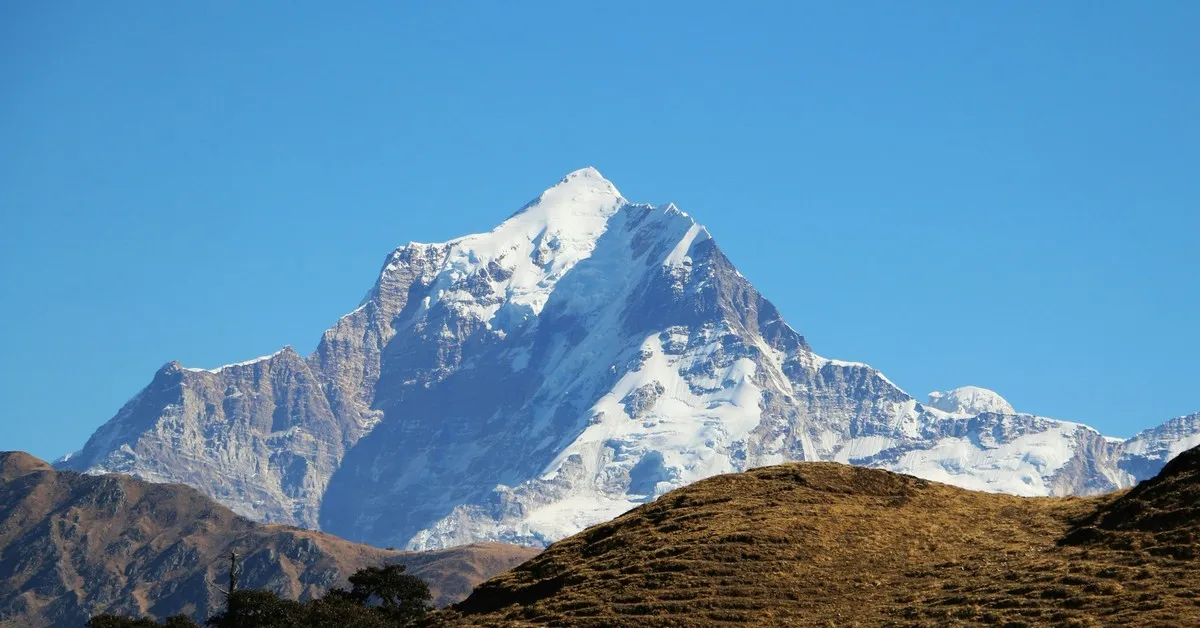
From the top, you get one of the widest mountain views in Garhwal. Nanda Devi, India’s second-highest peak, rises right in front of you, with Dronagiri, Kamet, Chaukhamba and Trishul all around. On a clear morning, you’ll want to stand there and just look for a long time.
After the summit, you’ll come back down to Khullara, or to the Tali forest camp, depending on your operator. Walking down a snowy slope is where most slips happen, so go slowly, keep your microspikes on, and use your trekking pole.
Day 5: Back Down to Dhak and Joshimath
Today you’ll walk back down through the forest to the road head, and then drive to Joshimath. Some groups follow a different path on this day, which comes out at Auli, the snowy ski slope above Joshimath. If your group ends at Auli, you’ll see why it’s famous for skiing in winter.
That evening in Joshimath, a hot shower and a warm meal will feel wonderful after four days in the snow.
Day 6: Joshimath to Rishikesh
You’ll drive back to Rishikesh, which again takes 9 to 11 hours. Book your train or bus home for the next day, because winter roads can be slow and you don’t want to miss it.
Also read: Auli Skiing: Best Time to Visit and How to Reach
The Curzon Trail: A Little Story Before You Go
The Kuari Pass trek is also called the Curzon Trail, and there’s a fun piece of history behind that name. In 1905, Lord Curzon, who was then the Viceroy of India, trekked from Ghat near Gwaldam all the way to Kuari Pass. The old trail was much longer than today’s 4-day walk, but the ridge you climb on summit day is part of the same route.
So when you stand at the top, you’re standing where travellers stood more than a hundred years ago, looking at the very same mountains. That’s a nice thought to keep with you on the cold walk up.
Is the Kuari Pass Trek Right for You?
Yes, for most fit people it is. Kuari Pass is graded easy to moderate, and many trek companies call it a good first Himalayan trek. But deep winter snow makes it harder, so here’s how it looks for different kinds of travellers.
- First-time trekkers: This is a great first trek, because the days are short and the views are huge. Start training at least six weeks before you go, and you’ll enjoy it much more.
- Solo travellers: Join a group run by a registered operator, and don’t try the snowy trail alone. Most groups are full of solo trekkers, so you’ll make friends by the first campfire.
- Friend groups: It’s a perfect winter trip with friends, especially in January, when the snow is deep and the camps feel cosy.
- Families with kids: Age rules depend on the trek company. Bikat Adventures takes children from age 9 with a parent, and Trek The Himalayas asks for age 12 or above for its winter batch. With younger kids, think about going in March, April or the autumn months instead of peak winter, because the trail is easier then.
- Senior citizens: Fit seniors can do it with the right group. Some companies ask older trekkers for a medical or treadmill test, and some keep an upper age limit, so check this before you pay. Talk to your doctor first, too.
- Photographers: This is one of the best treks for mountain photos in Uttarakhand. You get Nanda Devi, Dronagiri and Kamet in one frame, and the sunset light on the meadows is lovely.
Kuari Pass Trek Best Time: Which Month Should You Pick?
The best time for the winter Kuari Pass trek is from late December to February, when the trail is covered in deep snow. The trek is open for about 10 months of the year and closes only in July and August because of the monsoon. If you want clearer views and easier walking, pick spring or the autumn months instead.
| Month | What It’s Like | Good For |
|---|---|---|
| Late November to mid-December | Cold, mostly clear skies, light snow higher up | First-timers who want views more than snow |
| Late December to February | Deep snow and very cold nights | Snow lovers and winter trek fans |
| March to April | Snow melting lower down, rhododendrons blooming | Families and people who want snow plus flowers |
| September to November | Golden meadows, very clear mountain views | Photographers and people who don’t like extreme cold |
In winter, days are usually around 8 to 14°C, but nights can drop to −8°C or even −14°C. Pack for the coldest night, not the average one. If you’re planning other trips in the state, our guide on the best time to visit Uttarakhand can help you plan around the seasons.
How Difficult Is the Kuari Pass Trek?
The Kuari Pass trek difficulty is easy to moderate. The walking days are not very long, but the summit day is tiring, and deep snow, cold air and short winter daylight make everything feel harder. Trek leaders say most slips on this trail happen on the way down, not on the way up, so good grip and slow steps matter a lot.
A simple test helps you check your fitness. Before the trek, try to jog 5 km in under 35 minutes, which is the benchmark Indiahikes uses for Kuari Pass. Start training six to eight weeks before your trip, with regular jogging, stair climbing and some squats.
Kuari Pass Trek Cost: How Much Should You Budget?
Most trek companies charge about ₹7,000 to ₹11,000 per person for the trek itself, from Dhak to Dhak. This usually covers your tents, meals, guide, forest permission and safety gear.
When you add travel, gear rental and small extras, the full trip usually costs about ₹11,000 to ₹15,000 on a budget and ₹19,000 to ₹27,000 if you want more comfort. Before you pay, ask one clear question: “Does this price start from Rishikesh or from Joshimath?” That answer can change your total by a few thousand rupees.
Kuari Pass vs Brahmatal: Which Winter Trek Should You Choose?
Both are lovely beginner-friendly winter treks in Chamoli, and you can’t really go wrong with either. Pick Kuari Pass if you want the biggest mountain views, especially Nanda Devi. Pick the Brahmatal trek if you want frozen lakes and a slightly gentler climb.
| Kuari Pass | Brahmatal | |
|---|---|---|
| Highest point | About 12,500 ft | About 12,250 ft |
| Base | Joshimath (trail starts near Dhak) | Lohajung |
| Days from Rishikesh | 6 | 6 |
| Best for | Huge peak views, especially Nanda Devi | Frozen lakes and forest camps |
| Feel of the trek | Wide meadows and an open pass | Forest, two lakes and a snowy ridge |
My honest suggestion is simple. If this is your first winter trek and you love lakes, start with Brahmatal. If you’ve already done one easy trek, or if mountain views are what you dream about, choose Kuari Pass.
How to Reach Joshimath
The easiest way is to reach Rishikesh first and then drive up to Joshimath, which takes a full day.
- By road: Delhi to Rishikesh is about 230 km. From Rishikesh, Joshimath is another 250 to 260 km, or about 9 to 11 hours by road. Most trek groups pick you up from Rishikesh early in the morning.
- By train: The nearest big railway stations are Haridwar and Rishikesh, and from there you’ll go by road.
- By air: The nearest airport is Jolly Grant in Dehradun, about 280 km from Joshimath. From the airport, you can take a taxi to Rishikesh or straight to Joshimath.
- From Joshimath to the trail: Dhak village is about 12 to 14 km from Joshimath, and your operator usually arranges this short drive.
Also read: Best Places to Visit in Chamoli District
What to Pack and Know Before You Go
These small things make a big difference on a winter trek.
- Carry cash from Rishikesh. Joshimath has ATMs, but they can run out of cash on busy days, and there’s no ATM at the trail start, so don’t count on finding cash up there.
- Use Jio or BSNL if you can. These networks usually work better in this area, while others get weak above Pipalkoti. Expect little or no signal on the trail itself.
- Dress in layers. Pack thermals, a fleece, a down jacket, woollen socks, gloves, a cap and sunglasses for the bright snow.
- Get microspikes. These small metal spikes fit over your shoes and grip the snow, and most operators provide or rent them.
- Rent gear in Joshimath if you don’t own it. It’s cheaper than buying everything, and it saves space in your bag.
- Keep your plan flexible. Heavy snow can delay a day, so don’t book your return train for the same evening as the drive down.
Frequently Asked Questions
How many days does the Kuari Pass trek take?
The Kuari Pass trek takes 6 days from Rishikesh and back. You spend the first and last days driving between Rishikesh and Joshimath, and the middle four days walking, including the summit day. In total, you’ll walk about 22 to 25 km, at a slow and steady pace.
Is the Kuari Pass trek good for beginners?
Yes, it’s a good trek for fit beginners. The daily walks are short, the trail is clear, and the views are huge. In deep winter snow it gets harder, so train for six to eight weeks, aim to jog 5 km in under 35 minutes, and go with a registered operator.
Can kids and senior citizens do the Kuari Pass trek?
Fit kids and fit seniors can do it, but the rules depend on the trek company. Some take children from age 9 with a parent, and others ask for age 12 or above in winter. Seniors may need a medical test. With young kids, March, April or autumn is easier than peak winter.
Which is the best month for the Kuari Pass trek?
Late December to February is best if you want deep snow. If you want clearer views and easier trails, choose late November, March, April or the autumn months from September to November. Avoid July and August, because the monsoon closes the trail and makes the roads risky.
How much does the Kuari Pass trek cost?
Most operators charge about ₹7,000 to ₹11,000 per person from Dhak to Dhak. With travel, gear and small extras, the full trip usually costs ₹11,000 to ₹15,000 on a budget, or ₹19,000 to ₹27,000 for more comfort. Always check whether the price includes the drive from Rishikesh.
Which is better, Kuari Pass or Brahmatal?
Both are great beginner winter treks in Chamoli. Kuari Pass gives you bigger mountain views, especially of Nanda Devi, while Brahmatal gives you frozen lakes and a slightly gentler climb. If you love lakes and it’s your first trek, pick Brahmatal. If big peaks excite you most, pick Kuari Pass.
Your Doorway to the Himalayas Is Waiting
Years from now, you won’t remember the long drive or the cold fingers on summit morning. You’ll remember that first wide look at Nanda Devi, the snow glowing pink over Khullara, and the friends who walked with you. That’s what this Kuari Pass trek itinerary is really for, and a few weeks of training is a small price for a view like that.
Pick your month, book a registered operator, and start walking every day from this week. And when you’re back, there’s a lot more to see in this region, so keep a few more Chamoli places on your list for your next trip.