Quick Answer
The Nanda Devi Raj Jat Yatra will be held in 2027. The Nauti committee postponed it from 2026 and announced the new year on 23 January 2026. The exact dates aren’t out yet. They will be fixed in a “dinpatta” (date letter) released on Basant Panchami 2027, which falls in February. The yatra usually runs in August and September. It covers about 280 km on foot over roughly 19 to 20 days, from Nauti village near Karnaprayag to Homkund, high above Roopkund.
If you hope to join, now is the right time to start planning, because this walk only comes around once in about 12 years.
A Daughter Going Home
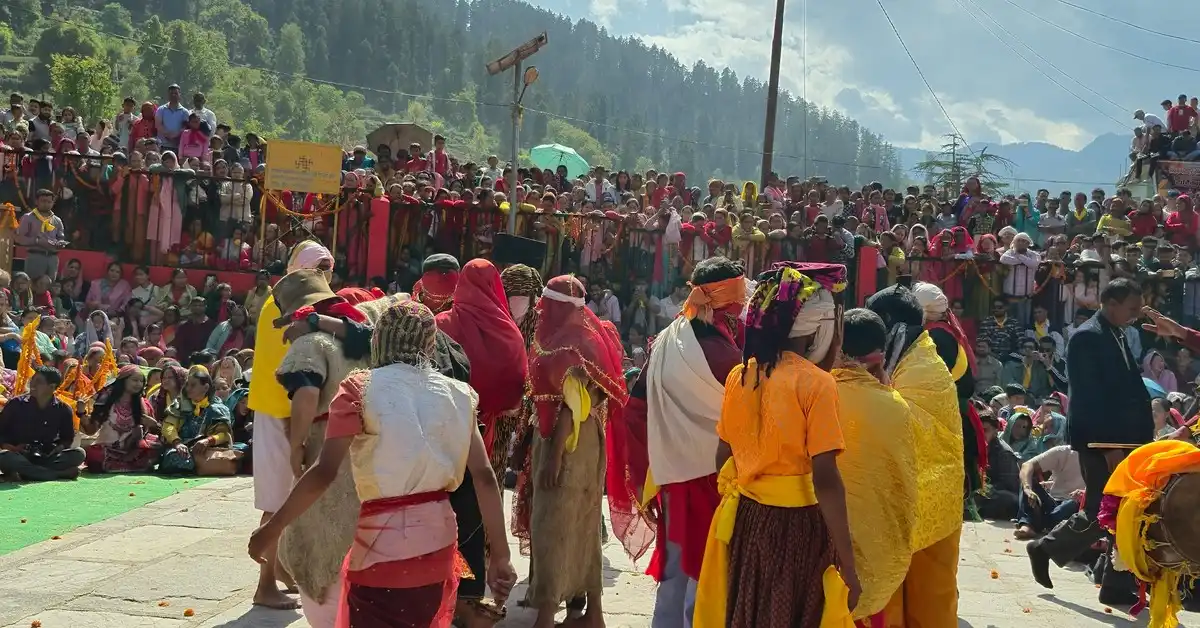
Picture a whole valley saying goodbye to its daughter. Women sing old folk songs and wipe their eyes. Drums beat slowly. At the front walks a small four-horned ram, and behind it, a decorated canopy carries the goddess.
That’s the heart of the Nanda Devi Raj Jat. For people in Garhwal and Kumaon, Nanda Devi isn’t only a goddess. She’s their daughter. The yatra is her journey from her parents’ home in the hills to her husband Shiva’s home on Mount Kailash. Families walk with her for days, the way you’d walk a daughter to her new home after her wedding.
That’s why people call it the “Himalayan Mahakumbh”. It’s one of the longest and toughest foot pilgrimages in India, and it only happens once in about 12 years.
Nanda Devi Raj Jat 2027: What We Know About the Date
Here’s what’s confirmed so far, in simple words.
- 2026 was postponed. In January 2026, the Raj Jat committee met in Karnaprayag and decided to move the yatra to 2027, saying repair work in the high Himalayan areas wasn’t finished yet.
- 2027 was announced at Nauti. On 23 January 2026, at the Nanda Devi temple in Nauti, Rajkunwar Dr Rakesh Kunwar announced that the Raj Jat will be held in 2027.
- The dates come on Basant Panchami 2027. The exact day-by-day plan, called the dinpatta, will be released on Basant Panchami in 2027. That festival falls on 11 February 2027.
- Villages agreed too. In June 2026, a meeting in Wan village, an important stop on the route, also agreed to hold the Raj Jat in 2027.
So, if you’re planning, keep August and September 2027 free, and watch for the dinpatta in February. That’s when you’ll know the start date, every halt and the day the goddess reaches Homkund.
Wait, Didn’t a Yatra Happen in 2026?
Yes, and that’s where many people get confused.
In 2026, a separate committee linked to the Nanda Devi Siddhpeeth temple at Kurud organised its own yatra and called it the “Nanda ki Badi Jat”. It began from Kurud on 5 September 2026.
The Nauti committee, which keeps the old royal tradition, didn’t take part. It kept the name “Nanda Devi Raj Jat” for its own yatra in 2027.
So, if a friend tells you “the Raj Jat already happened”, they’re most likely talking about the 2026 Badi Jat from Kurud. The Nauti Raj Jat is still ahead, in 2027.
The Story Behind the Yatra
The yatra grew out of a simple, loving idea. Nanda Devi is seen as a form of Parvati, and the people of the hills treat her as their own daughter. Every 12 years, they walk with her as she leaves her maternal home for Kailash.
Over time, the kings of Garhwal joined the tradition and made it a royal yatra. That’s where the word “Raj” (royal) comes from. Even today, the Kunwar family of Kansuwa village near Nauti and the royal priests from Nauti play a central role in starting the yatra.
The most special member of the yatra is the Chausingya Khadu, a ram born with four horns. People believe the goddess chooses it. It leads the whole procession, and at Homkund, it’s set free to walk on alone towards the high peaks, carrying offerings for the goddess.
Nanda Devi Raj Jat Route: From Nauti to Homkund
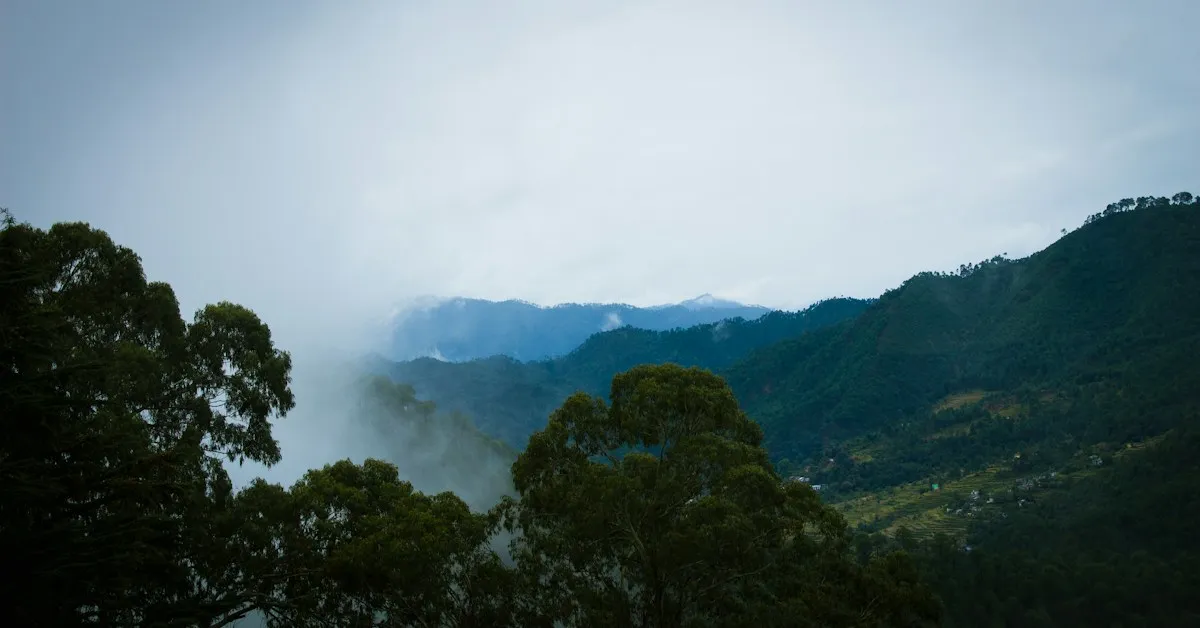
The full route is about 280 km long, and only a small part of it is on motor roads. The rest is on foot, through villages, forests, meadows and high mountain passes.
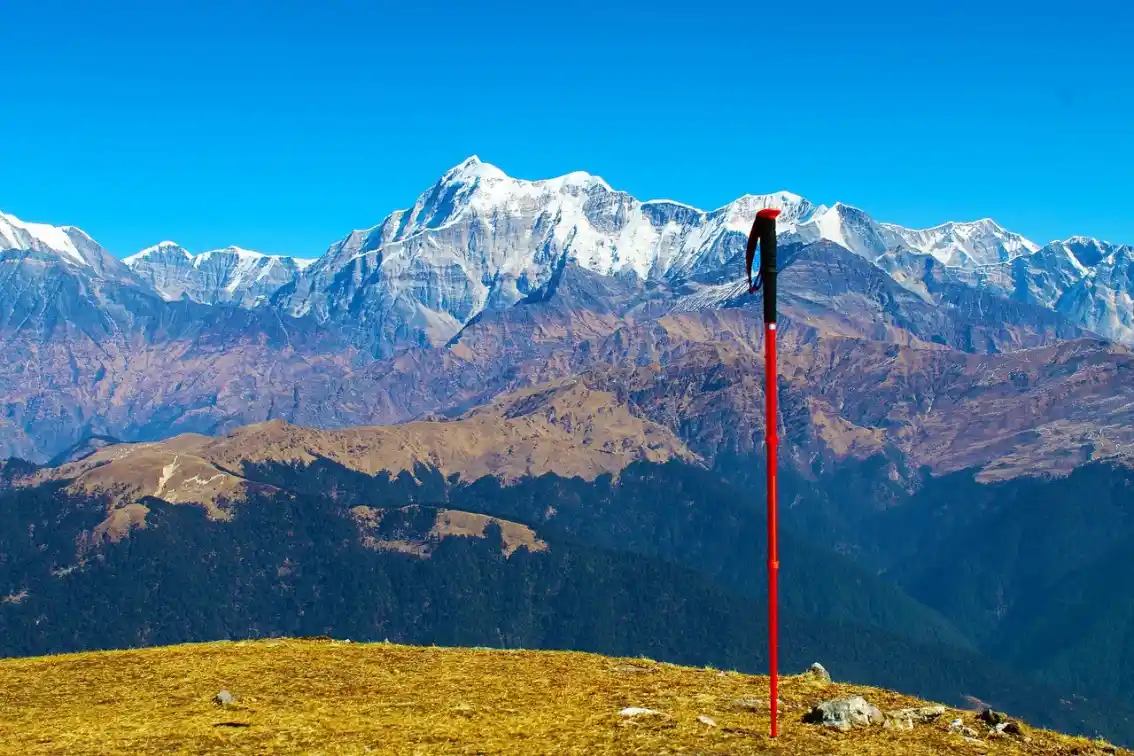
Here are the main stops, in order:
| Stage | Main stops | What it’s like |
|---|---|---|
| Start | Nauti, Ida Badhani, Kansuwa | Village roads near Karnaprayag, big crowds and lots of rituals |
| Village stretch | Sem, Koti, Bhagoti, Kulsari | Long walks between villages, with families joining along the way |
| Meeting point | Nandkesari, Faldiagaon, Mundoli | Goddesses and devotees from Kumaon join the Garhwal yatra |
| Last village | Wan | Home of Latu Devta, the goddess’s protector, and the last big village halt |
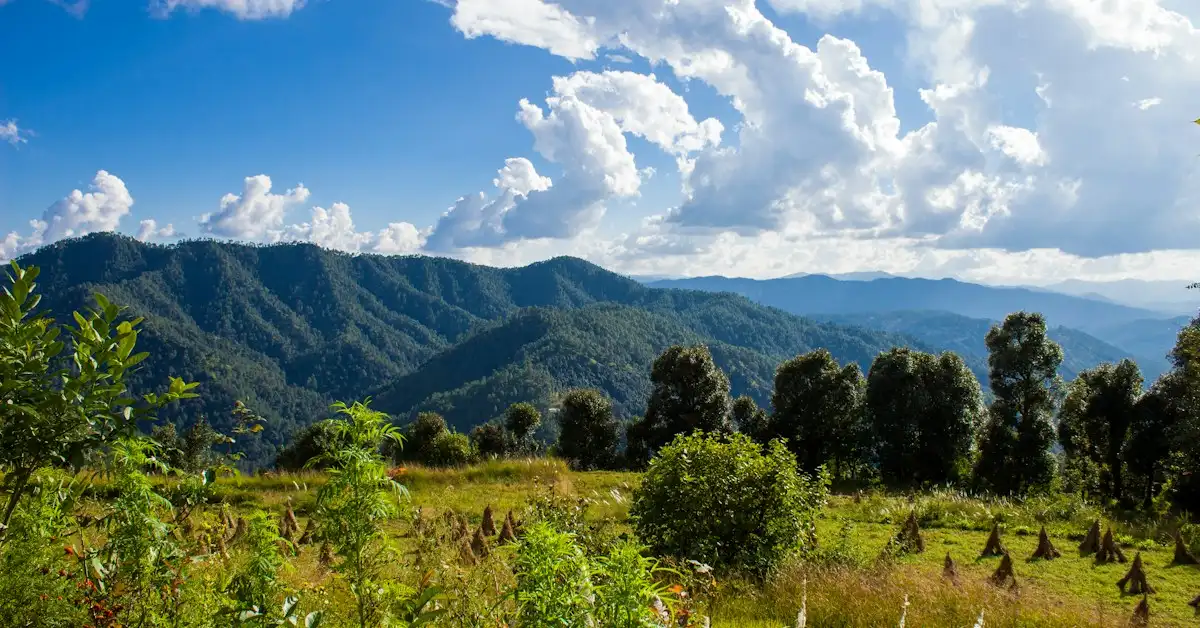
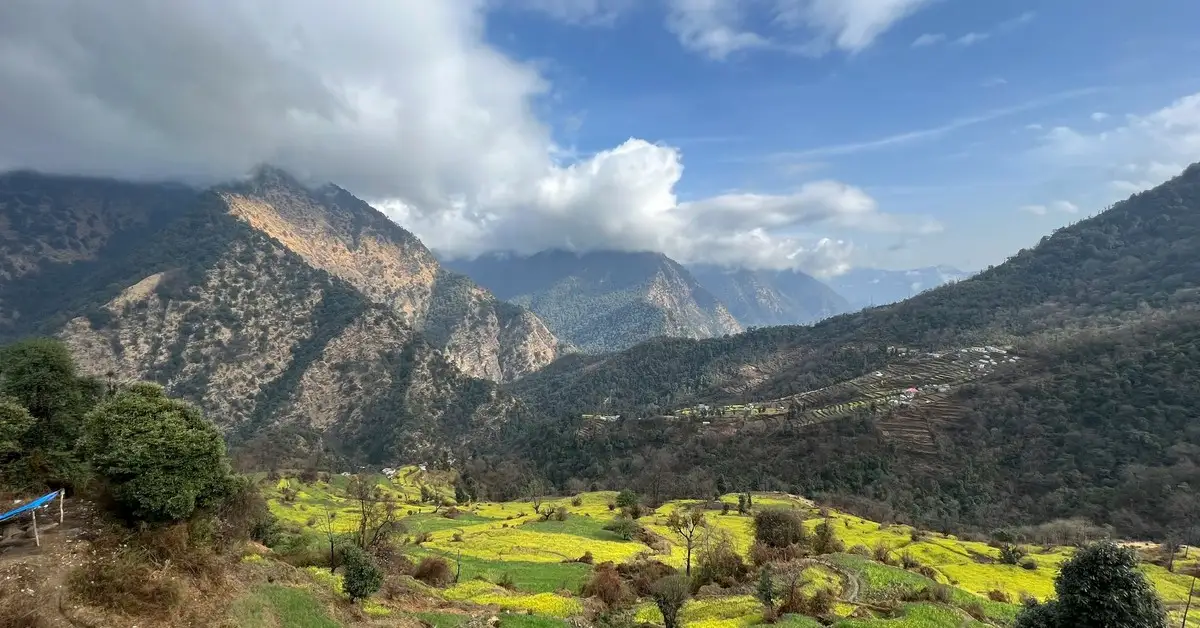
| High meadows | Gairoli Patal, Bedni Bugyal, Patar Nachauniya | Wide green meadows, cold nights and tented camps |
| High pass | Bhagwabasa, Roopkund, Junargali | Steep, rocky climb close to 5,000 m |
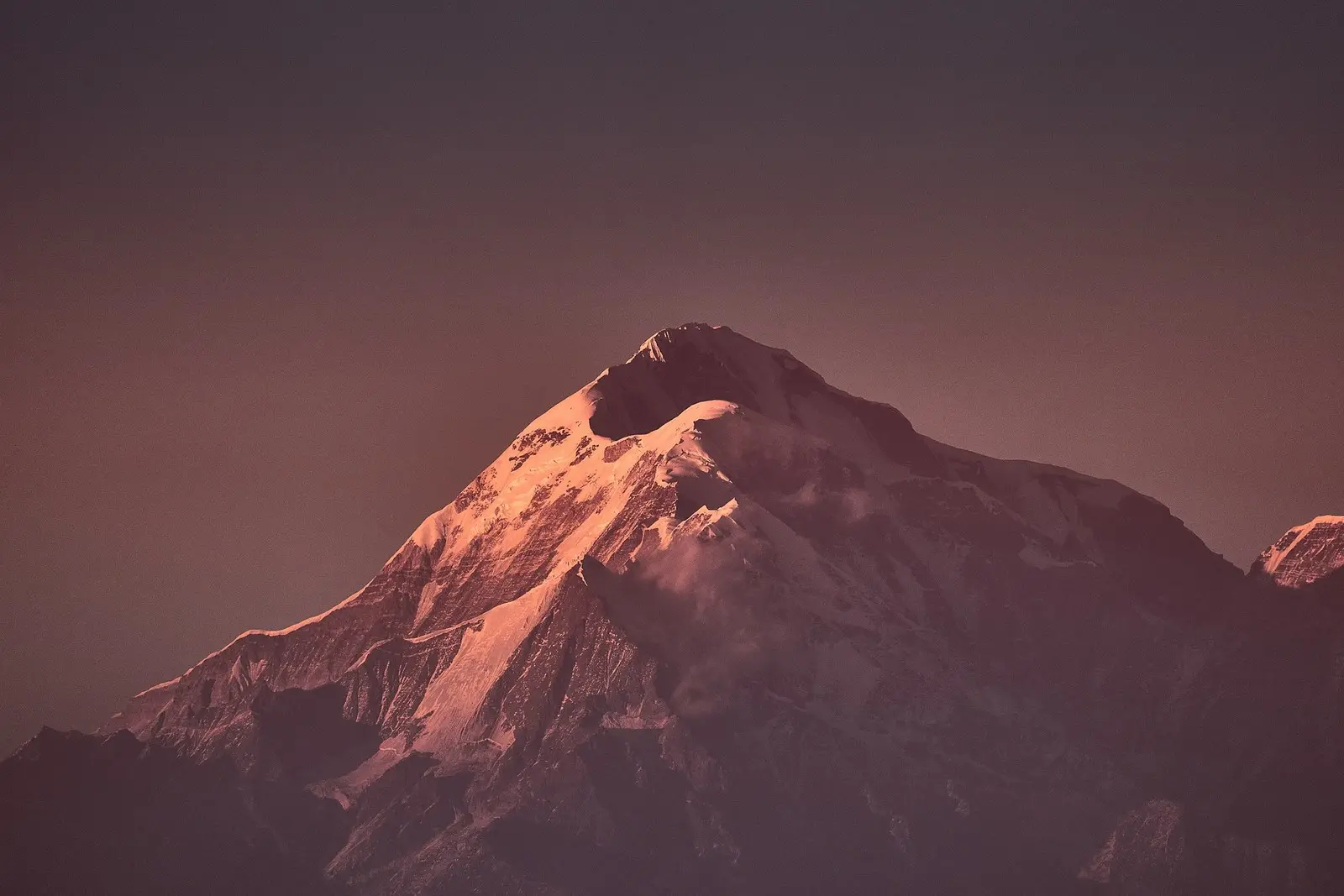
| Final stretch | Shila Samudra, Homkund | A “sea of boulders” under Mt Trishul, then the farewell at Homkund |
After the farewell at Homkund, pilgrims come down by a different path, through Chandniya Ghat and Sutol, and the yatra returns to Nauti.
The exact halts for 2027 will be listed in the dinpatta. If you’re coming from the plains, the drive up to Karnaprayag and Nauti follows the same Rishikesh road we cover in our Rishikesh to Joshimath and Badrinath route guide.
How Tough Is the Raj Jat?
It’s very tough. The halts sit at heights from about 1,200 m to 4,300 m, and the Junargali pass near Roopkund climbs close to 5,000 m. The 2014 yatra took 20 days from start to end.
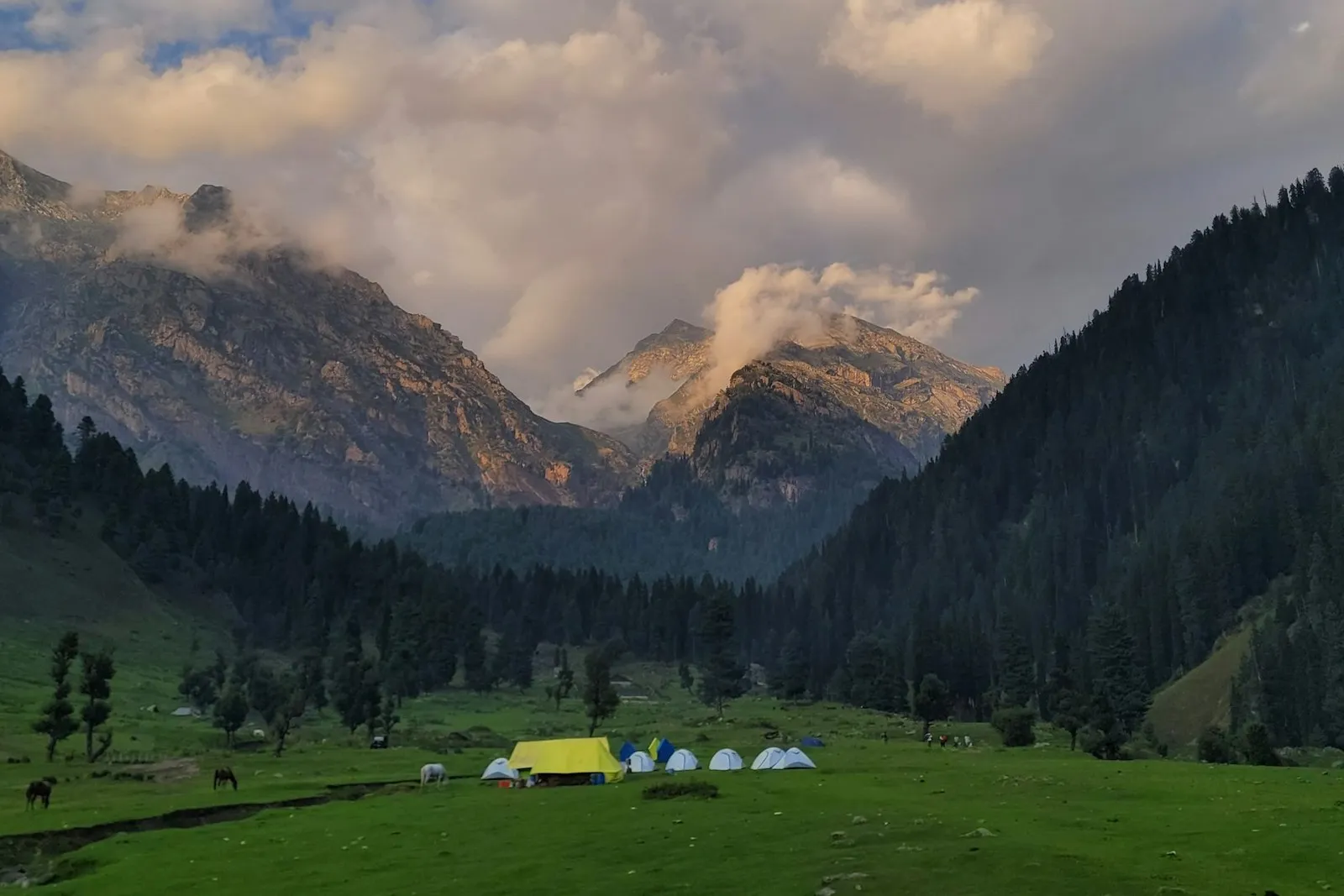
But here’s the good news. You don’t have to walk the whole thing. Thousands of people join only one section, for a day or two near their own village, and that’s a big part of the tradition.
Here’s a simple way to think about it:
- Families, kids and older people: Join the opening days near Nauti, Kansuwa or a village halt like Nandkesari. You’ll see the rituals and the crowds without any high climbs.
- Fit walkers with a few days: Walk the village stretch, or join at Wan and walk up to Bedni Bugyal.
- Experienced trekkers: Only try the high part, from Bedni Bugyal over Junargali to Homkund, if you’ve trekked above 4,000 m before and you’re properly fit and kitted out.
Who Can Join and How
The Raj Jat is a people’s yatra, and devotees from all over join it. You don’t need to be from Garhwal to walk with the goddess. What you do need is respect for the rituals and good planning.
- Watch for official notices. After the dinpatta comes out, the Chamoli district administration usually shares arrangements for camps, medical help and crowd control. Follow those notices closely.
- Book your base early. Hotels in Karnaprayag, Gauchar and Tharali fill up fast during big yatras. Our guide on where to stay in Chamoli can help you pick a base.
- Join with a group for the high part. For the stretch above Wan, go with a registered trekking group or a well-organised local party that carries tents, food and first aid.
- Get a health check. If you have heart, lung or blood pressure problems, speak to a doctor before planning the high section.
What to Pack for the Raj Jat
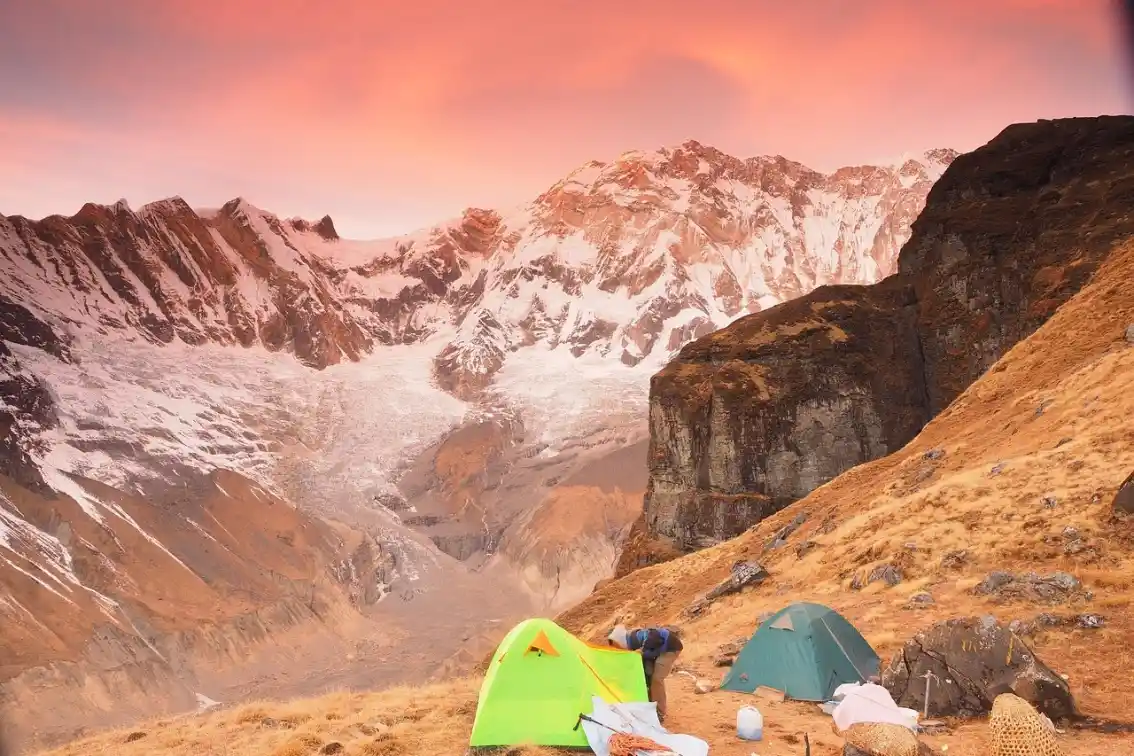
The yatra falls at the end of the monsoon, so expect rain lower down and freezing cold up high.
- Good trekking shoes with strong grip
- A rain jacket and a cover for your bag
- Warm layers: thermals, a fleece and a down jacket
- A woollen cap, gloves and warm socks
- A torch or headlamp with spare batteries
- A water bottle and some dry snacks
- A basic first-aid kit and your regular medicines
- A sleeping bag and tent if you’re going above Wan
Yatra Tips and Respect for Tradition
- Walk slowly up high. Headache, sickness or breathlessness can be signs of altitude sickness. If they get worse, go down.
- Follow the procession. Don’t walk ahead of the Chausingya Khadu or the goddess’s canopy.
- Ask before taking photos of rituals, priests and village women.
- Keep the meadows clean. Carry all your rubbish back down with you. Bugyals like Bedni are fragile.
- Eat simple local food. Villages along the route often feed pilgrims, and the warm Garhwali dishes keep you going. Read our guide to Chamoli food to know what to try.
Other Ways to Feel Nanda Devi’s Story
Can’t wait until 2027? The smaller Nanda Devi Lok Jat happens every year in August and September, and it follows a shorter route to the high meadows. It’s a lovely way to see the songs and rituals on a smaller scale.
Chamoli’s local fairs also keep this culture alive. Our guide to Gauchar Mela is a good place to start.
Frequently Asked Questions
When is the Nanda Devi Raj Jat Yatra 2027?
The Nanda Devi Raj Jat will be held in 2027, but the exact dates aren’t out yet. They’ll be announced in the dinpatta on Basant Panchami, 11 February 2027. Past yatras ran in August and September, and the 2014 yatra ran from 18 August to 6 September. So keep late summer 2027 free.
Why was the Nanda Devi Raj Jat postponed from 2026?
In January 2026, the Raj Jat committee at Karnaprayag decided to move the yatra to 2027. It said that repair and other work needed in the high Himalayan areas along the route was not complete. The decision was taken unanimously, and the new year was formally announced at Nauti on 23 January 2026.
What is the difference between Raj Jat and Badi Jat?
The Raj Jat is the royal yatra run by the Nauti committee, linked to the Kunwar family and royal priests. It will be held in 2027. The Badi Jat was a separate yatra organised in 2026 by a committee linked to the Kurud temple, which started on 5 September 2026. Both honour Nanda Devi.
How long is the Nanda Devi Raj Jat Yatra?
The Nanda Devi Raj Jat covers about 280 km and takes around 19 to 20 days. It starts from Nauti village near Karnaprayag and ends at Homkund, beyond Roopkund. Only a small part of the route is on motor roads. Most people join only one section rather than the whole walk.
Can beginners join the Nanda Devi Raj Jat?
Yes, beginners can join the lower village sections, like the opening days near Nauti or halts like Nandkesari. These have no high climbs. The high stretch from Bedni Bugyal over Junargali to Homkund reaches close to 5,000 m, so it’s only for fit, experienced trekkers with proper gear and support.
What is the Chausingya Khadu?
The Chausingya Khadu is a ram born with four horns, and people believe the goddess chooses it. It leads the whole Raj Jat procession from Nauti. At Homkund, it’s set free with offerings tied to it and walks on alone towards the high peaks, which devotees see as the goddess’s final step home.
Walk With Nanda, Even for a Day
The Nanda Devi Raj Jat isn’t only a trek or a festival. It’s a family saying goodbye to its daughter, and a whole region walking beside her.
You don’t need to cross Junargali to feel that. Walk one day with the goddess, sing along with the village women, and share a meal at a halt. Then, when the dinpatta comes out on Basant Panchami 2027, you’ll be ready to plan your own part in the Nanda Devi Raj Jat Yatra.