Quick Answer
A good Chamoli itinerary needs 3 to 7 days, and the right plan depends on the month you travel. From May to mid-November, you can visit Badrinath, Mana village and, in summer, the Valley of Flowers and Hemkund Sahib. From mid-November to April, those places are closed by snow, so your trip is about Joshimath, Auli and winter treks. Choose 3 days for a quick trip, 5 days for a relaxed one, and 7 days if you want the Valley of Flowers.
That’s the short answer. Below, you’ll find a “what’s open when” table and a day-by-day plan for every trip length, so you never plan a trip around a temple or valley that’s closed that month.
A Land That Changes With Every Season
Imagine standing at Mana, the last village before the Tibet border, with a cup of hot tea in your hands and the Saraswati river roaring below you. A few months later, the same road is buried under deep snow, and the village is quiet until summer comes back. Up in Auli, families are making their first snowman, while just a little further up the valley the Valley of Flowers is sleeping under a white blanket.
That’s Chamoli. It’s one district, but it feels like four different places in four seasons.
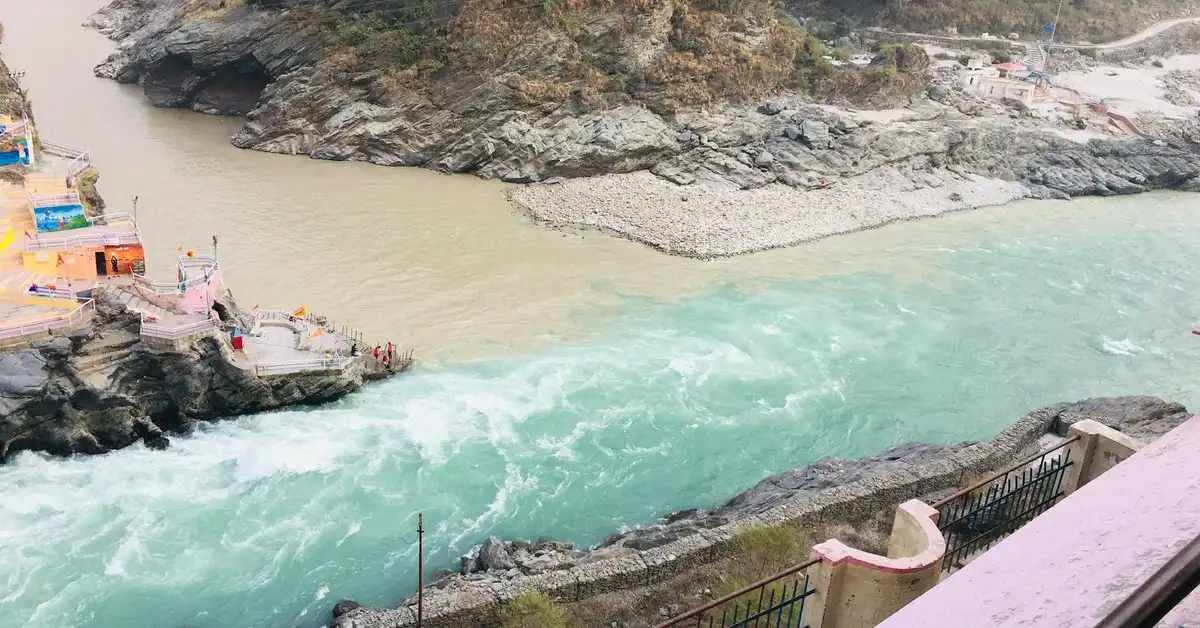
Chamoli sits in the Garhwal Himalayas of Uttarakhand, and it holds some of the state’s most loved places. It has Badrinath, one of the Char Dham, as well as the Valley of Flowers, Hemkund Sahib, Auli and Mana village. It’s also home to three of the five sacred river meetings, called prayags: Vishnuprayag, Nandprayag and Karnaprayag. The secret to a happy trip here is simple. Pick your season first, and then pick your plan.
What’s Open When in Chamoli
Before you choose a plan, check this table. Many of Chamoli’s top places close for months because of heavy snow.
| Place | Usually Open | Notes |
|---|---|---|
| Badrinath Temple | Late April or May to mid-November | In 2026, it closes on 16 November. The 2027 opening date is usually announced in winter. |
| Mana Village | Same months as Badrinath | Mana is about 3 km from Badrinath and gets snowbound in winter. |
| Valley of Flowers | 1 June to 31 October | Flowers bloom best from mid-July to mid-August. |
| Hemkund Sahib | Late May to early October | The exact opening date is announced each year. |
| Auli | All year | Snow and skiing from late December to February. |
| Joshimath | All year | Badrinath is worshipped here in winter. |
| Kuari Pass and Brahmatal treks | Most of the year | Both are famous as winter snow treks. |
Here’s the simple rule. If you’re travelling between May and October, you can see almost everything. If you’re travelling between mid-November and April, plan around Joshimath, Auli and the snow treks.
3-Day Chamoli Itinerary
Three days is enough for one main highlight, and both versions below start and end in Rishikesh. The drive from Rishikesh to Joshimath is about 250 km and usually takes 9 to 11 hours, so the first and last days are mostly road days.
3-Day Plan for May to Mid-November: Badrinath and Mana
Day 1: Rishikesh to Joshimath. Leave early, follow the Alaknanda river up through the hills, and reach Joshimath by evening.
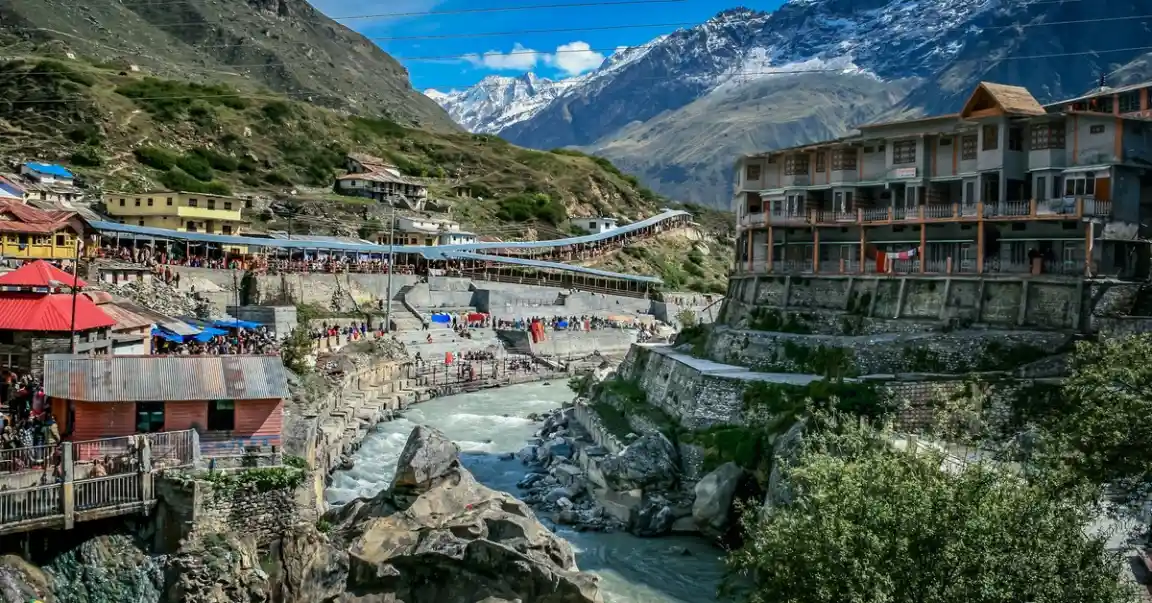
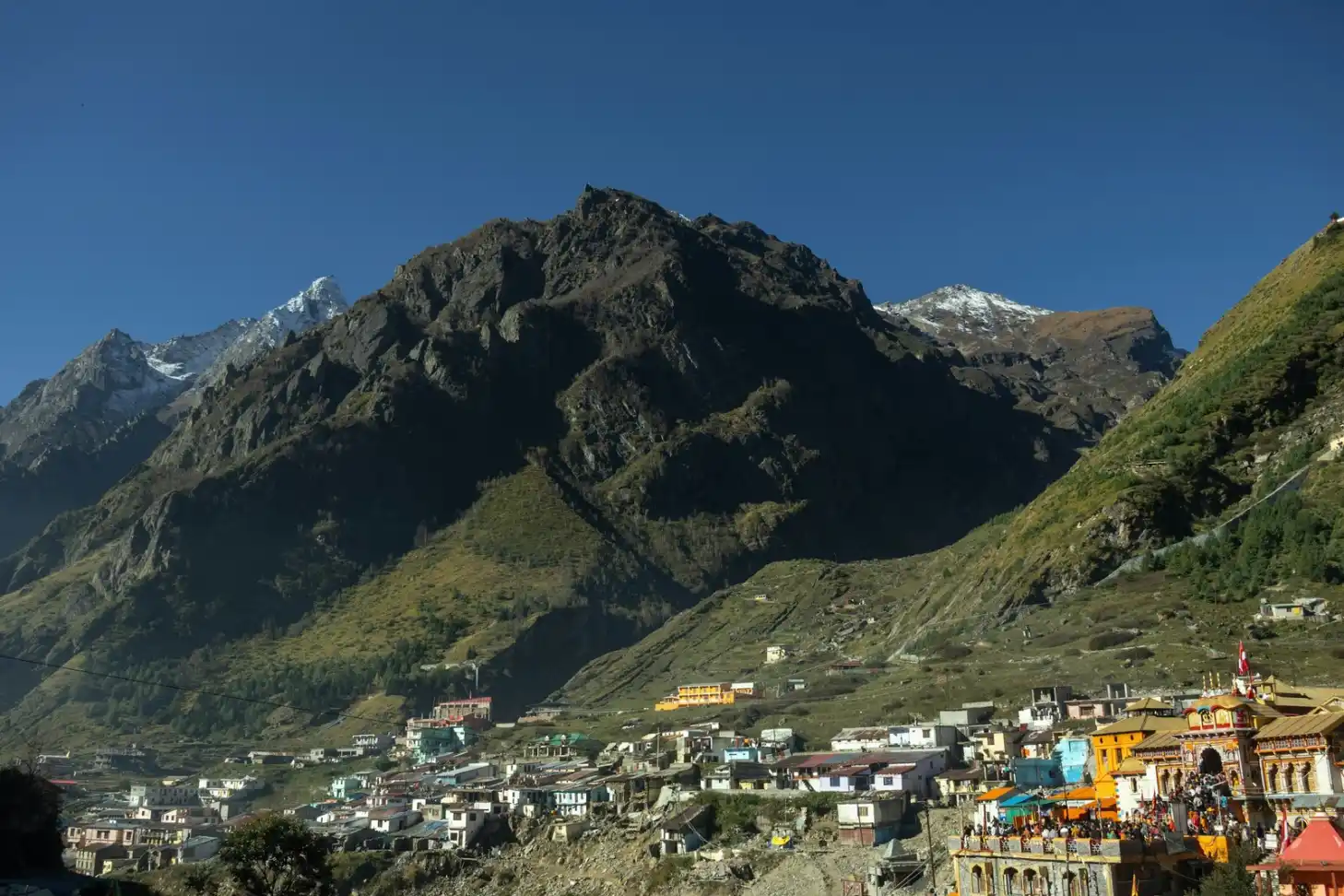
Day 2: Badrinath and Mana. Drive about 43 km from Joshimath to Badrinath, which takes around 1.5 to 2 hours. Take darshan at the temple, and then go 3 km further to Mana village. If you have energy left, the walk to Vasudhara Falls starts from Mana and is about 6 km one way. You can stay in Badrinath tonight or drive back down to Joshimath.
Day 3: Back to Rishikesh. Start early, because it’s a long drive down.
There’s one honest catch. Mana has no hotels of its own, so you’ll stay in Badrinath or Joshimath and visit Mana as a day trip. If you want to read more about the temple itself, our Badrinath temple guide covers the timings and history.
3-Day Plan for Winter (Mid-November to March): Joshimath and Auli
Day 1: Rishikesh to Joshimath. It’s the same long drive, but in winter you should reach Joshimath before dark, because the roads can freeze at night.
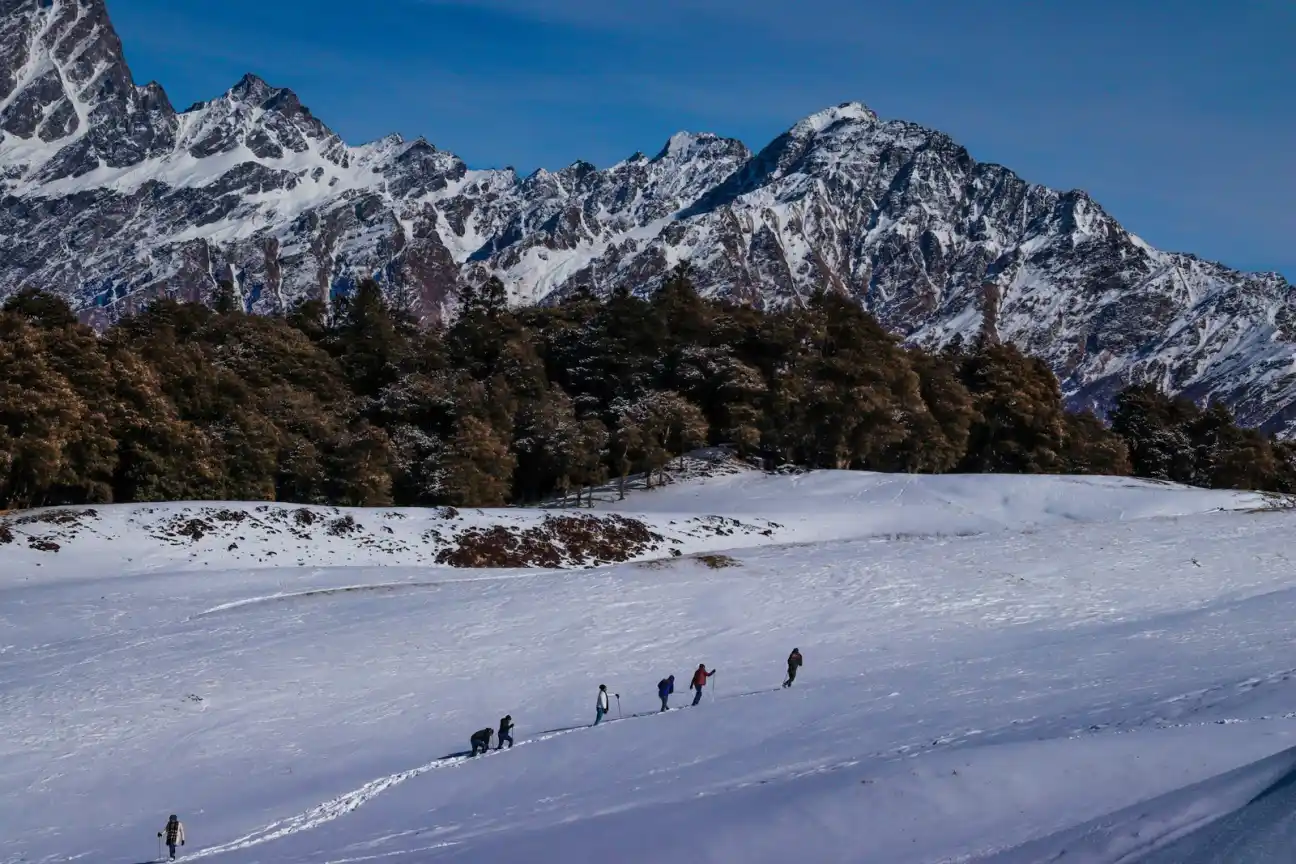
Day 2: Narsingh Temple and Auli. Visit the Narsingh Temple in Joshimath in the morning, where Lord Badrinath is worshipped during winter. Then go about 16 km up the road to Auli for snow, mountain views and maybe a first try at skiing in Auli. The old Joshimath to Auli ropeway has been closed since January 2023, so you’ll go up by road.
Day 3: Back to Rishikesh. Leave early and drive down in daylight.
5-Day Chamoli Itinerary
Five days is the sweet spot for most families. You get to see more of Chamoli without spending every day in the car.
5-Day Plan for May to Mid-November
Day 1: Rishikesh to Gopeshwar. Gopeshwar is about 210 km from Rishikesh, and it’s the headquarters of Chamoli district. On the way, you’ll pass Karnaprayag and Nandprayag, where rivers meet. In the evening, visit the old Gopinath Temple, an ancient temple of Lord Shiva.
Day 2: Gopeshwar to Joshimath, Then Auli. The drive to Joshimath is about 60 km. After checking in, go up to Auli in the afternoon for the meadows and the big mountain views.
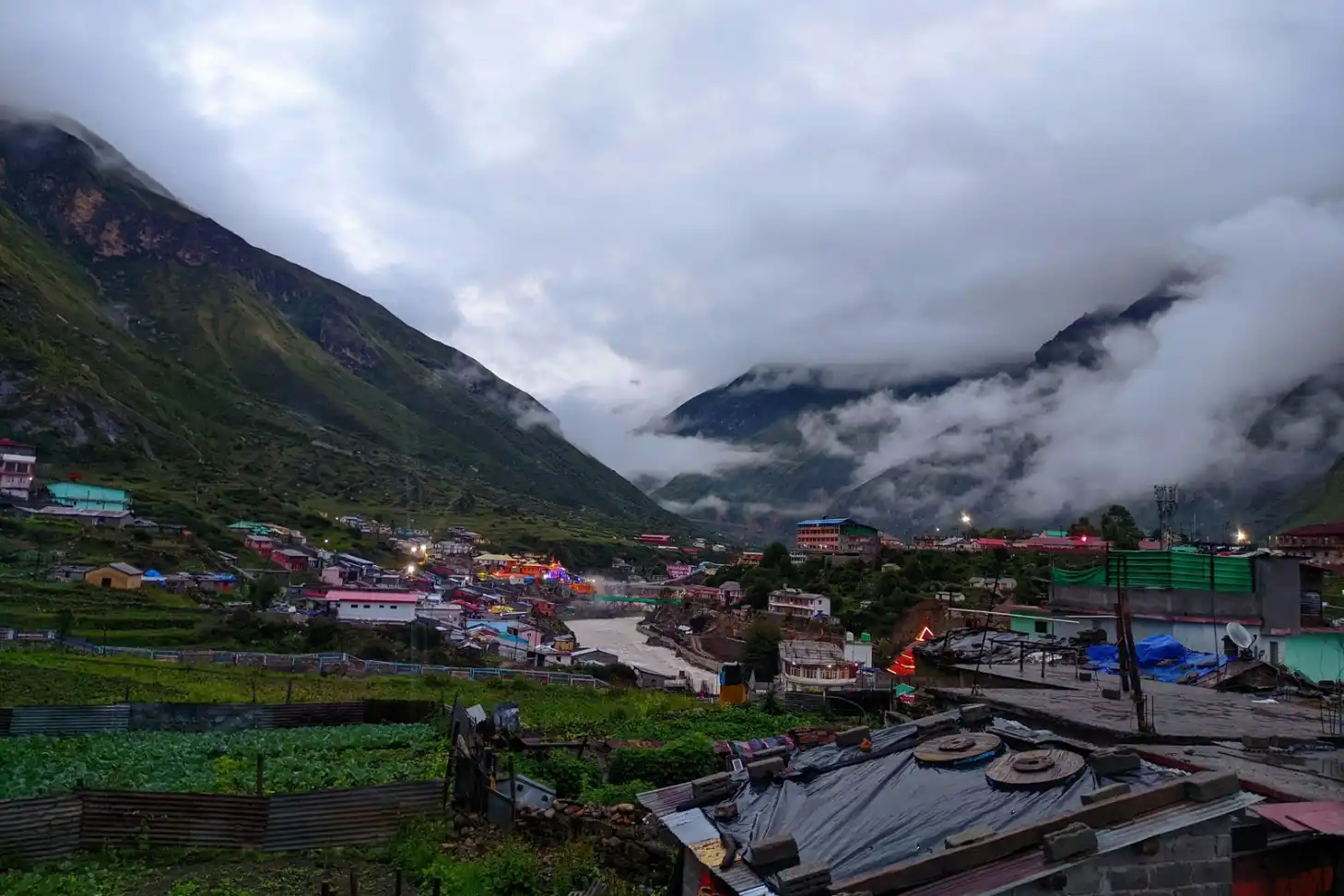
Day 3: Joshimath to Badrinath and Mana. On the way up, stop at Vishnuprayag, about 11 km from Joshimath, where two rivers meet. Take darshan at Badrinath, visit Mana village, and stay the night in Badrinath. Waking up to the temple bells in the cold mountain air is something your family won’t forget.
Day 4: Badrinath Morning, Then Back Down. Attend the early morning darshan, try the Vasudhara Falls walk if you’re fit, and then drive back down towards Joshimath or Pipalkoti for the night.
Day 5: Back to Rishikesh. It’s a long but easy drive, with plenty of tea stops along the river.
5-Day Plan for Winter
In winter, you have two good choices. The first is a slow snow holiday, where you spend two or three nights around Joshimath and Auli and keep a spare day for snow delays. The second is a short snow trek. The Kuari Pass trek starts near Joshimath, and the Brahmatal trek starts from Lohajung, and both take about 6 days from Rishikesh.
7-Day Chamoli Itinerary (June to Early October)
The 7-day plan is the big one. It covers the Valley of Flowers, Hemkund Sahib, Badrinath and Mana in one trip, and it works only when all of them are open, roughly from June to early October.
Day 1: Rishikesh to Joshimath. Drive up and rest well, because tomorrow you’ll start walking.
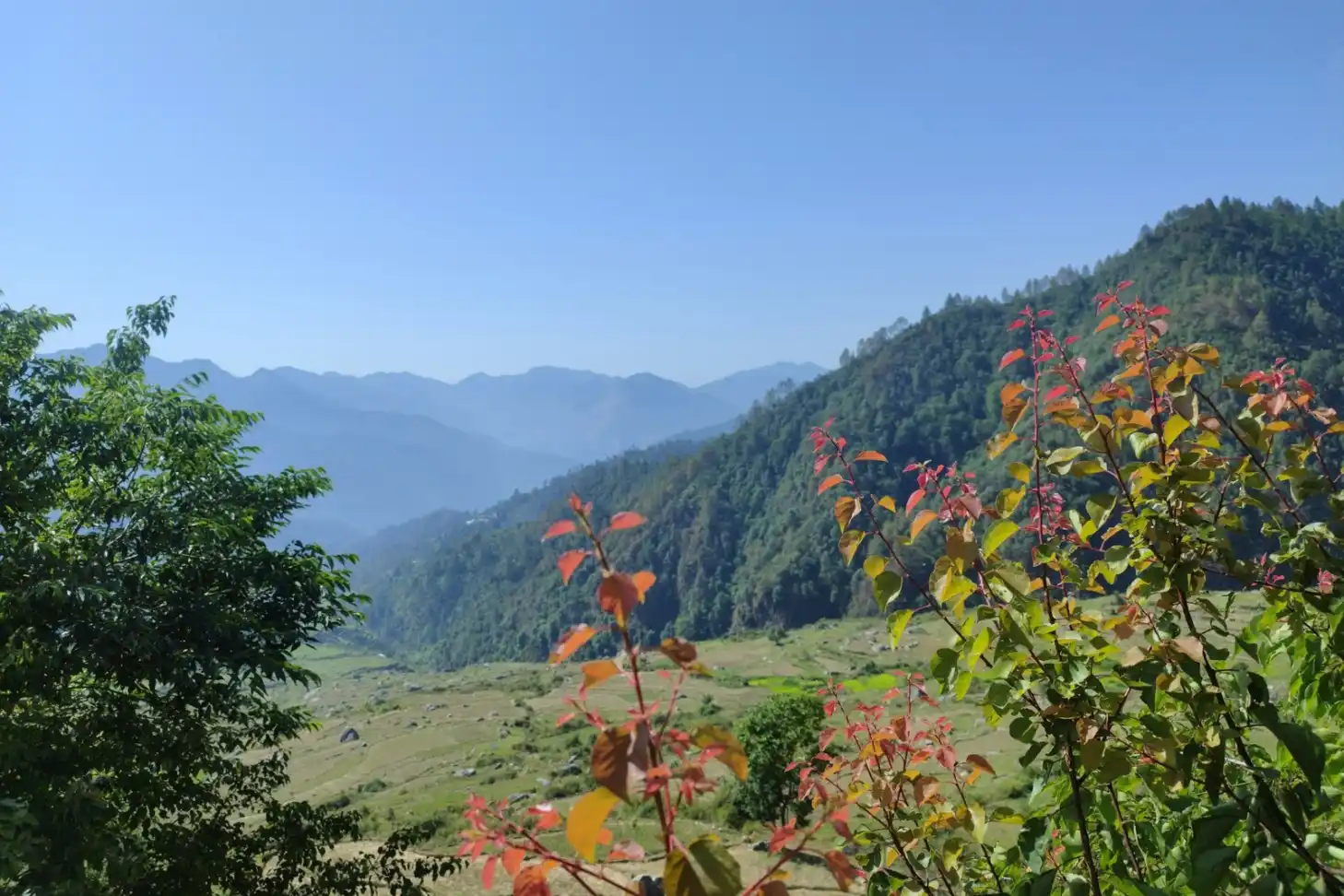
Day 2: Joshimath to Ghangaria. Drive about 20 km to Govindghat and then 4 km more to Pulna, where the road ends. From Pulna, walk about 10 km up to Ghangaria, the small village that’s the base for both the Valley of Flowers and Hemkund Sahib. Ponies are available if anyone in your group can’t walk the whole way.
Day 3: Valley of Flowers. The valley is about 3 to 4 km from Ghangaria. Entry is usually allowed from 7 AM to 2 PM, and everyone must be out by 5 PM, so start early. In late July, the slopes are full of flowers, and you’ll walk slowly just to look at everything.
Day 4: Hemkund Sahib. This is a steep 6 km climb from Ghangaria to the gurudwara and its glacier lake, at well over 4,000 metres. Go slowly, drink plenty of water, and come back down to Ghangaria before the afternoon.
Day 5: Ghangaria to Badrinath. Walk back down to Pulna, take a jeep to Govindghat, and drive about 25 km up to Badrinath for the night.
Day 6: Badrinath and Mana, Then Joshimath. Take morning darshan, visit Mana village, and drive back down to Joshimath.
Day 7: Back to Rishikesh. Your legs will be tired, but your phone will be full of photos.
Also read: Valley of Flowers Trek: Best Time and Permit Guide
How Many Days Do You Really Need for Chamoli?
Most people need 5 days for Chamoli, because the drive from Rishikesh takes a full day each way. Three days gives you only one main place, like Badrinath or Auli. Seven days is right if you want the Valley of Flowers and Hemkund Sahib, since those need walking days of their own. If you can, add one spare day for landslides in the monsoon or snow in winter.
Is This Chamoli Trip Right for You?
Chamoli works for almost everyone, but each kind of traveller should pick a slightly different plan.
- Families with kids: The 3-day or 5-day plans are best, because they’re mostly drives with short walks. The 7-day plan has long walking days, so it suits older, active kids more than toddlers.
- Senior citizens and pilgrims: The Badrinath plans are very doable, since cars go right up to the temple. Hemkund Sahib is a steep climb at high altitude, so talk to a doctor first, and use a pony if needed.
- Couples: Five days with Auli, Badrinath and Mana gives you quiet mountain mornings and lovely views without rushing.
- Friend groups and trekkers: Go for the 7-day plan in summer or a snow trek in winter.
- Photographers: Late July for the Valley of Flowers and January for Auli’s snow are hard to beat.
How to Reach Chamoli
Most trips start from Rishikesh, which has a railway station and is close to Jolly Grant Airport in Dehradun. From Rishikesh, the road goes up through Devprayag, Rudraprayag, Karnaprayag and Nandprayag into Chamoli. Buses and shared jeeps run on this route, but a private taxi is much more comfortable for families, especially with all the mountain bends.
Tips for a Smooth Chamoli Trip
- Start every drive early. Mountain roads are slower than they look on the map, and driving after dark is never a good idea here.
- Carry cash. ATMs exist in towns like Joshimath, but they can run out on busy days, and many small shops don’t take cards.
- Check opening dates before you book. Badrinath, Hemkund Sahib and the Valley of Flowers all open and close on dates that are announced every year.
- Respect the monsoon. July and August bring the flowers, but they also bring landslides, so keep a spare day and follow local news.
- Pack warm clothes in every season. Even in June, nights at Badrinath and Ghangaria are cold.
Frequently Asked Questions
How many days are enough for Chamoli?
Five days is enough for most people, because the drive from Rishikesh takes about a full day each way. With 3 days, you can see one main place, like Badrinath or Auli. With 7 days, you can add the Valley of Flowers and Hemkund Sahib, which need their own walking days.
Can I visit Chamoli in winter?
Yes, you can, but plan around what’s open. Badrinath, Mana, Hemkund Sahib and the Valley of Flowers close in winter because of heavy snow. Joshimath and Auli stay open, and winter is the best time for snow, skiing and treks like Kuari Pass and Brahmatal.
When are the Valley of Flowers and Hemkund Sahib open?
The Valley of Flowers usually opens from 1 June to 31 October, with the best flowers from mid-July to mid-August. Hemkund Sahib usually opens in late May and closes in early October. Both share the same base village, Ghangaria, so most people visit them on the same trip.
Is Chamoli good for families with kids and elders?
Yes, Chamoli is great for families if you pick the right plan. The Badrinath and Auli plans are mostly drives with short, easy walks. The Valley of Flowers and Hemkund Sahib need long, steep walks, so they suit fit families with older kids, and ponies can help.
Where should I stay in Chamoli?
Joshimath is the best base for most trips, because it sits between Auli, Badrinath and the Valley of Flowers route. Stay in Badrinath for early morning darshan, in Ghangaria for the Valley of Flowers and Hemkund Sahib, and in Gopeshwar if you want to visit the Gopinath Temple.
Which is the best time to visit Chamoli?
It depends on what you want. May, June, September and October are best for Badrinath and clear views. Mid-July to mid-August is best for the Valley of Flowers in bloom. Late December to February is best for snow in Auli and winter treks around Joshimath.
Pick Your Season, Then Pack Your Bags
Years from now, your family won’t remember how many hours you spent in the car. They’ll remember the temple bells at Badrinath, the cold tea at Mana, and the first time they saw the Valley of Flowers or the snow at Auli. That’s why the best Chamoli itinerary is the one that fits your season and your pace.
So choose your month, pick a 3, 5 or 7-day plan from this guide, and keep one spare day for the mountains. Chamoli rewards people who travel slowly.