Quick Answer: The winter Char Dham Yatra lets you meet all four Char Dham deities even after the big temples close. From November 2026 to April 2027, Kedarnath is worshipped at Omkareshwar Temple in Ukhimath, Badrinath at Pandukeshwar and Jyotirmath (Joshimath), Gangotri at Mukhba, and Yamunotri at Kharsali. All four are reached by road. A comfortable trip takes about 6 days from Dehradun or Rishikesh.
The big doors of the Char Dham are now shut for the year. Snow is falling up high. But here’s the happy part: the gods have not gone away. They have just come down the mountain to live closer to the villages.
So if you missed the summer yatra, don’t feel sad. The winter Char Dham Yatra is quieter, colder and very peaceful. No long queues. No pony rush. Just you, your family, warm chai and old temples with the smell of incense. This guide tells you where each deity lives in winter, how to plan the route, and what to pack, in very simple words.
When Did the Char Dham Close in 2026?
All four temples closed for winter in November 2026. Gangotri closed first on 10 November. Kedarnath and Yamunotri closed on 11 November, on Bhai Dooj. Badrinath closed last, on the night of 16 November at 9:37 PM, and that ended the 2026 yatra.
It was a record season. As per the official All India Radio report, more than 65 lakh pilgrims visited the four shrines this year. Over 23 lakh went to Badrinath alone, and more than 19.20 lakh visited Kedarnath.
| Dham | Closed on (2026) | Winter seat | District |
|---|---|---|---|
| Gangotri | 10 November | Mukhba (Mukhimath), near Harsil | Uttarkashi |
| Yamunotri | 11 November | Kharsali (Khushimath) | Uttarkashi |
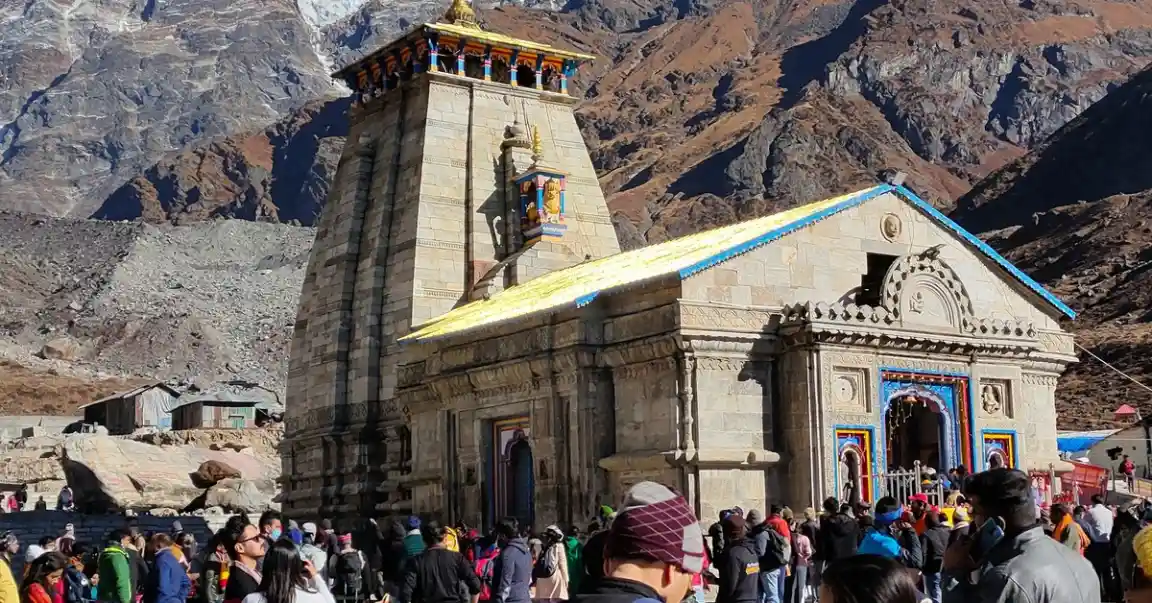
| Kedarnath | 11 November | Omkareshwar Temple, Ukhimath | Rudraprayag |
| Badrinath | 16 November | Pandukeshwar and Narsingh Temple, Jyotirmath | Chamoli |
The doors open again in late April or May 2027. The exact dates are announced in early 2027. Till then, the winter seats are where the daily puja happens. If you want to plan the summer trip too, our Char Dham Yatra 2026 guide has the full summer picture.
What Is the Winter Char Dham Yatra?
The winter Char Dham Yatra is a visit to the four “winter homes” of the Char Dham gods. Each winter, the deity is carried down in a decorated palki (doli) with music and prayers. It stays in a lower temple for about six months, where priests keep doing the daily puja.
Think of it like your grandparents moving to the warmer ground-floor room in winter. Same family, same love, just a cosier place.
Many people believe that darshan at the winter seat brings the same blessing as darshan at the main dham. And the numbers show people are loving it. Last winter, more than 27,000 pilgrims had visited the winter seats by mid-January 2026, and Ukhimath got the biggest crowd.
The 4 Winter Seats of Char Dham
Kedarnath in Winter: Omkareshwar Temple, Ukhimath
Baba Kedar spends winter at the Omkareshwar Temple in Ukhimath, in Rudraprayag district. Ukhimath is a small, friendly hill town, and the temple sits right in it. You don’t need any trek. Your car can take you close to the gate.
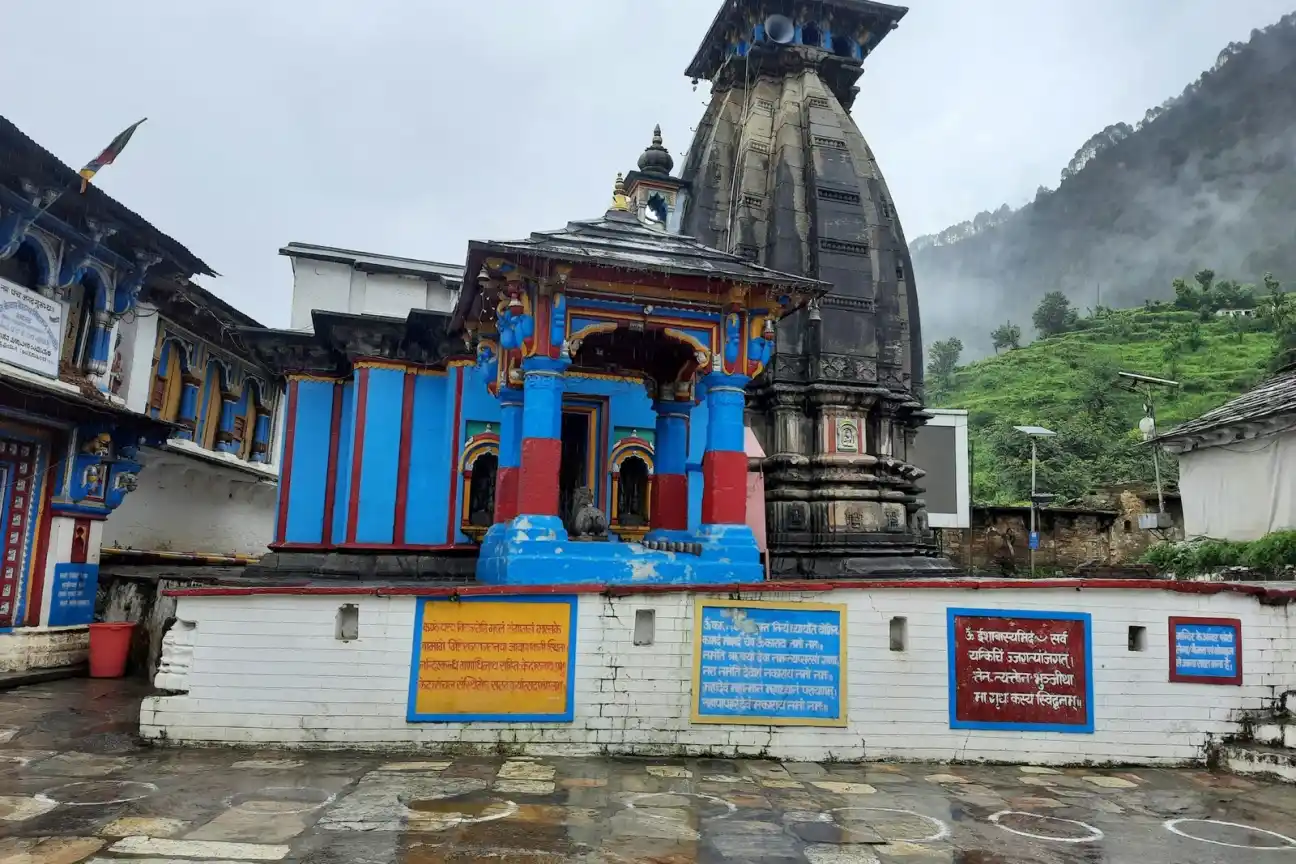
The temple is old and built in stone. In the morning, the bells and the aarti make the cold air feel warm. Families with elders like this stop the most, because the walk is short and easy.
Ukhimath is also a great base for side trips. Chopta, Tungnath and Deoria Tal are close by. In heavy snow the road up to Chopta can shut for a while, so ask locals before you go. If you want to read about the summer trek too, see our Kedarnath Yatra guide.
Badrinath in Winter: Pandukeshwar and Jyotirmath
Badrinath’s winter worship is split between two places. That surprises a lot of people, so here it is simply.
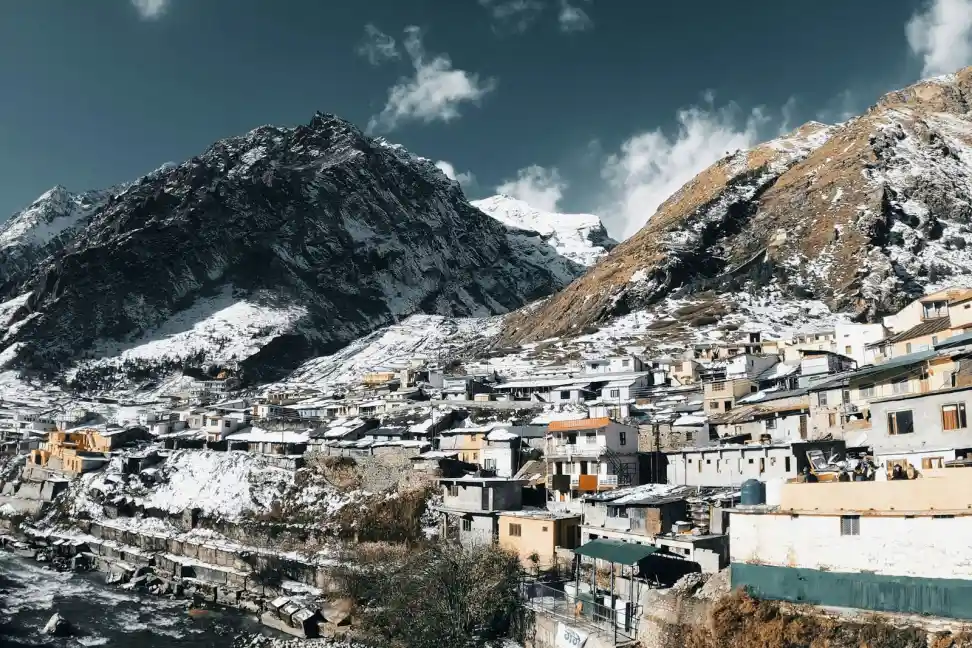
At Yogdhyan Badri Temple in Pandukeshwar, about 20 km before Badrinath, the dolis of Uddhav ji and Kuber ji stay for the winter. At the Narsingh Temple in Jyotirmath (Joshimath), the seat (gaddi) of Adi Guru Shankaracharya and the palki of Garuda ji are kept. Most families visit both on the same day.
Both places sit on the Badrinath highway, so the drive is easy in normal weather. Jyotirmath also has good hotels, ATMs and food. For travel options to get here, our Rishikesh to Joshimath and Badrinath guide covers buses, taxis and fares.
Gangotri in Winter: Mukhba (Mukhimath)
Maa Ganga spends winter in Mukhba village, also called Mukhimath. It sits just across the Bhagirathi river from Harsil in Uttarkashi district. Harsil is the last big stop before Gangotri, and it is famous for apple orchards, pine trees and quiet snowy mornings.
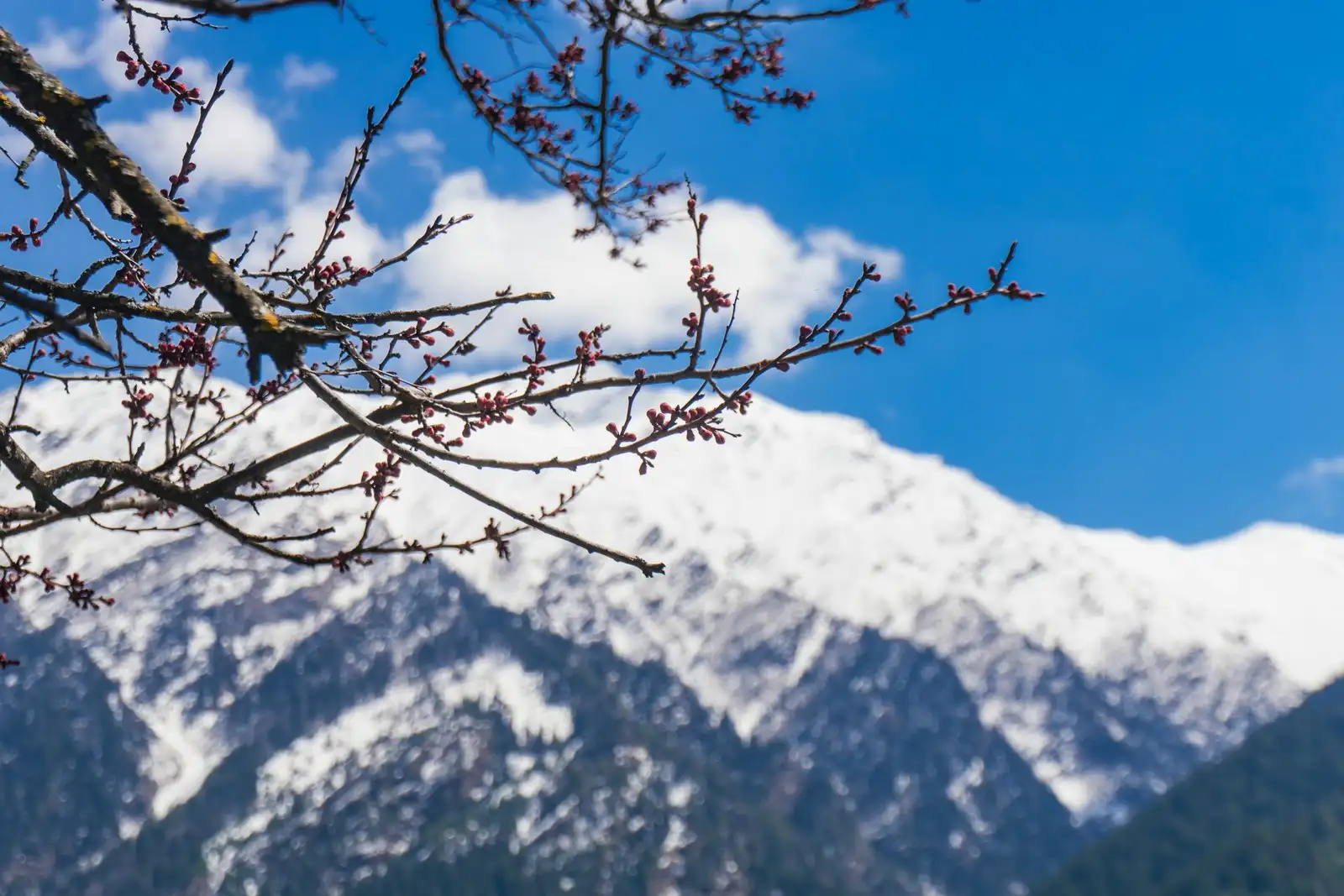
Mukhba is a real Himalayan village. Wooden houses, old ladies spinning wool, kids running on stone paths. The Ganga temple is in the middle of it all.
One honest tip: this is the highest of the four winter seats. After heavy snowfall, the road near Harsil can close for a day or two. Keep one extra day in your plan for this stop.
Yamunotri in Winter: Kharsali (Khushimath)
Maa Yamuna lives in winter at Kharsali village, also called Khushimath, in Uttarkashi district. Kharsali is very close to Janki Chatti, the place where the summer trek to Yamunotri starts.
The best part? No 6 km uphill trek. In summer, Yamunotri is the hardest dham for many elders. In winter, you can reach Maa Yamuna with a short walk. Kharsali also has the old Shani Dev temple, and it was Shani Dev’s doli that led Maa Yamuna down to Kharsali this year.
Winter Char Dham Yatra Route: Which Order Is Best?
The traditional order is Yamunotri, then Gangotri, then Kedarnath, then Badrinath. It goes from west to east, so you never drive back the same way for long. We suggest you keep the same order in winter too.
The simple route: Dehradun or Rishikesh → Barkot → Kharsali → Uttarkashi → Mukhba (Harsil) → Uttarkashi → Ukhimath → Jyotirmath and Pandukeshwar → back to Rishikesh.
Short on time? You can do only two seats. Ukhimath and Jyotirmath-Pandukeshwar make a great 3 to 4-day trip from Rishikesh, because they are on the same side of the hills. Our Dehradun to Char Dham road trip plan shows the same roads in more detail.
Easy 6-Day Winter Char Dham Plan
Here’s a calm plan that leaves room for chai stops and slow mountain roads. Drive times are rough. Snow, fog and road work can make them longer.
Day 1: Dehradun to Barkot. About 5 to 6 hours via Mussoorie. Reach by evening and rest. Barkot has simple hotels and homestays.
Day 2: Barkot to Kharsali, then Uttarkashi. Leave early. Kharsali is about 1.5 to 2 hours away. Do Maa Yamuna’s darshan, eat a hot lunch, then drive about 3 hours to Uttarkashi.
Day 3: Uttarkashi to Mukhba and back. About 3 hours each way. Do Maa Ganga’s darshan at Mukhba, walk around Harsil, and stay in Harsil if you love quiet places. Otherwise, come back to Uttarkashi.
Day 4: Uttarkashi to Ukhimath. This is the long day, about 8 to 9 hours. Pack snacks and start by 7 AM. Sleep in Ukhimath.
Day 5: Omkareshwar darshan, then Jyotirmath. Attend the morning aarti. Then drive to Jyotirmath. If the Chopta road is open, it is the shorter and prettier way. If not, go via Rudraprayag and Karnaprayag.
Day 6: Narsingh Temple and Pandukeshwar. Do darshan at the Narsingh Temple in the morning, then drive about 20 km to Pandukeshwar. After lunch, head down to Rudraprayag or Srinagar for the night. Next morning, Rishikesh is about 4 to 5 hours away.
Need a good night’s sleep near Badrinath’s winter seats? Our list of where to stay in Chamoli has options in Joshimath for every budget.
Best Time for the Winter Char Dham Yatra
The winter seats are open all winter, from November till the main temples reopen in April or May. Each month feels a little different.
| Time | What it’s like | Good for |
|---|---|---|
| Late Nov to mid-Dec | Cold, clear skies, roads mostly open | Families and elders |
| Late Dec to Feb | Coldest, snow likely, some road closures | People who want snow |
| March to April | Warmer days, snow melting | First-timers who hate the cold |
Honestly, late November and early December are the sweet spot. It’s cold but the roads are calmer than in January.
Do You Need Registration for the Winter Yatra?
As of last winter, the online biometric registration needed for the summer Char Dham Yatra was not asked for at the winter seats. You could simply go and do darshan. Rules can change, though, so check with your hotel or the temple office before you start.
Carry an ID card anyway. Police check-posts on hill roads sometimes ask for it.
What to Pack for a Winter Char Dham Trip
Night temperatures in Ukhimath and Pandukeshwar often drop below zero. Pack like you’re going somewhere really cold, because you are.
- A heavy down jacket, thermals, woollen cap, gloves and two pairs of warm socks
- Shoes with good grip, since temple steps and roads can be icy
- A small power bank, because cold drains phone batteries fast
- Basic medicines, plus a thermos for hot water
- Some cash, because ATMs in small villages can be empty or far
- Snacks and dry fruits for long driving days
Tips for a Safe and Happy Winter Yatra
- Drive in daylight only. Hill roads get icy after sunset. Try to reach your hotel by 5 PM.
- Hire a local driver. Plains drivers often don’t know how to handle black ice. A hill driver does.
- Keep one buffer day. Snow can shut a road for a day. Don’t book a flight home the same evening.
- Check the weather each morning. Ask your hotel owner. Locals always know which road is open.
- Respect the timings. Aarti and darshan times can change in winter. Ask at the temple and don’t rush the priests.
Conclusion
The winter Char Dham Yatra is the gentle side of a big pilgrimage. You get the same four deities, short walks instead of long treks, empty temple courtyards and snowy hills all around. Visit Kharsali, Mukhba, Ukhimath, and Jyotirmath with Pandukeshwar, in that order, and give yourself about 6 days. Pack warm, drive early, keep a spare day, and let the mountains set the pace. Your winter Char Dham Yatra 2026-27 could be the most peaceful trip your family ever takes.
Frequently Asked Questions
Where is Kedarnath worshipped in winter?
In winter, Baba Kedarnath is worshipped at the Omkareshwar Temple in Ukhimath, in Rudraprayag district. The deity’s doli reaches Ukhimath a few days after the Kedarnath doors close on Bhai Dooj. Ukhimath is reachable by road, there is no trek, and the daily puja and aarti continue there until the main temple opens again in spring.
Where is Badrinath worshipped in winter?
Badrinath’s winter worship happens at two places. The dolis of Uddhav ji and Kuber ji stay at Yogdhyan Badri Temple in Pandukeshwar. The gaddi of Adi Guru Shankaracharya is kept at the Narsingh Temple in Jyotirmath (Joshimath). Both sit on the Badrinath highway, about 20 km apart, so most pilgrims visit both on the same day.
Is the winter Char Dham Yatra safe for elders?
Yes, it is often easier for elders than the summer yatra. There are no long treks, because all four winter seats are reached by road with short walks. The main risks are cold and icy roads. Pack heavy woollens, keep medicines handy, travel only in daylight and hire a local hill driver to stay safe.
How many days do I need for the winter Char Dham Yatra?
You need about 6 days from Dehradun or Rishikesh to visit all four winter seats comfortably, plus one return day. If you only have 3 or 4 days, visit Ukhimath and Jyotirmath with Pandukeshwar, which are on the same side of the hills. Always keep one extra day in case snow closes a road.
Is registration needed for the winter Char Dham Yatra?
Last winter, the online biometric registration used for the summer Char Dham Yatra was not required at the winter seats, and pilgrims could go straight for darshan. Rules can change from year to year, so check with your hotel or the temple office before you start. Always carry a valid photo ID for police check-posts.
What is the best month for the winter Char Dham Yatra?
Late November and early December are the best months for most families. It is cold, but the skies are clear and roads are mostly open. January and February bring the most snow and more road closures. March and April are warmer and good for first-timers who don’t like extreme cold.