Quick Answer
Rishikesh to Joshimath is about 250 km by road and usually takes 8 to 11 hours. You can go by government bus, private bus, shared jeep or taxi, and the cheapest bus fares start at roughly ₹675 when booked online. Badrinath is about 43 km further up from Joshimath, but it’s open only from about late April or May to mid-November. In winter, Joshimath is as far as most travellers go.
There’s no train to Joshimath yet, so the road is your only real choice. Below, you’ll find every option side by side, with fares, timings and a few honest tips that make the long drive much easier.
A Long Road, But a Beautiful One
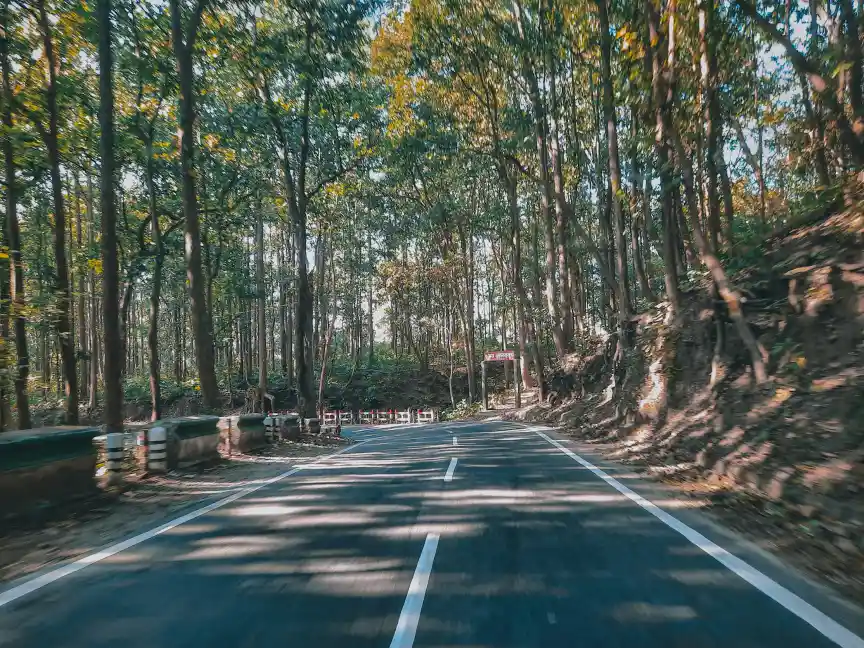
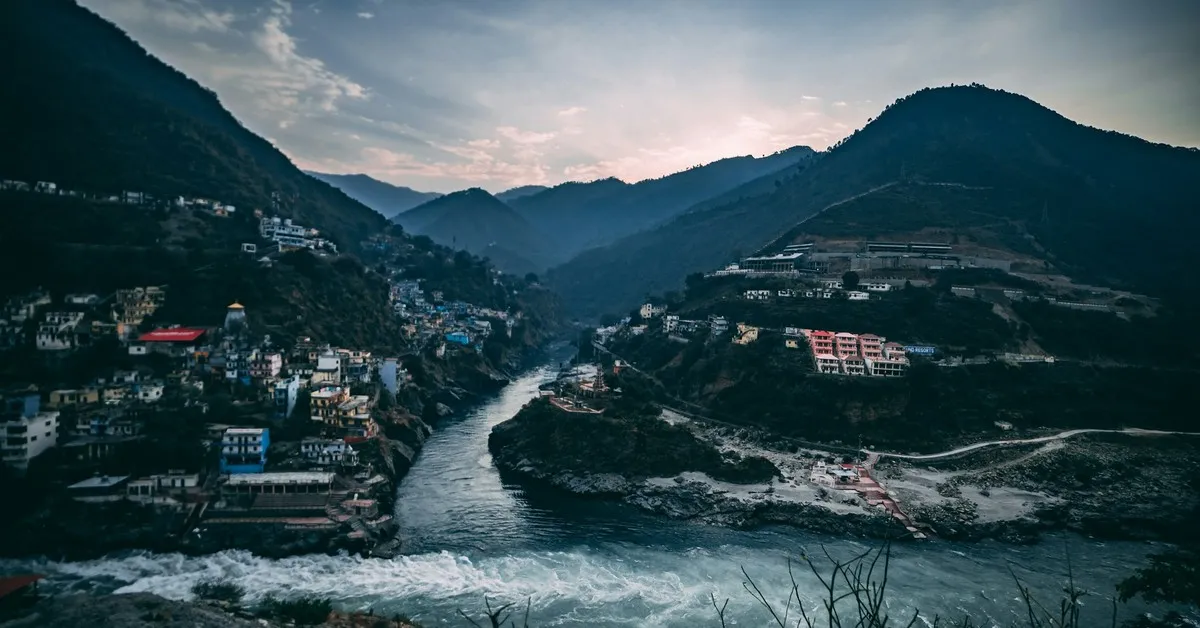
The drive from Rishikesh starts with the Ganga beside you and the city slowly falling behind. Within an hour, the hills close in. You’ll pass Devprayag, where two rivers meet and become the Ganga, and then follow the Alaknanda upstream for most of the day.
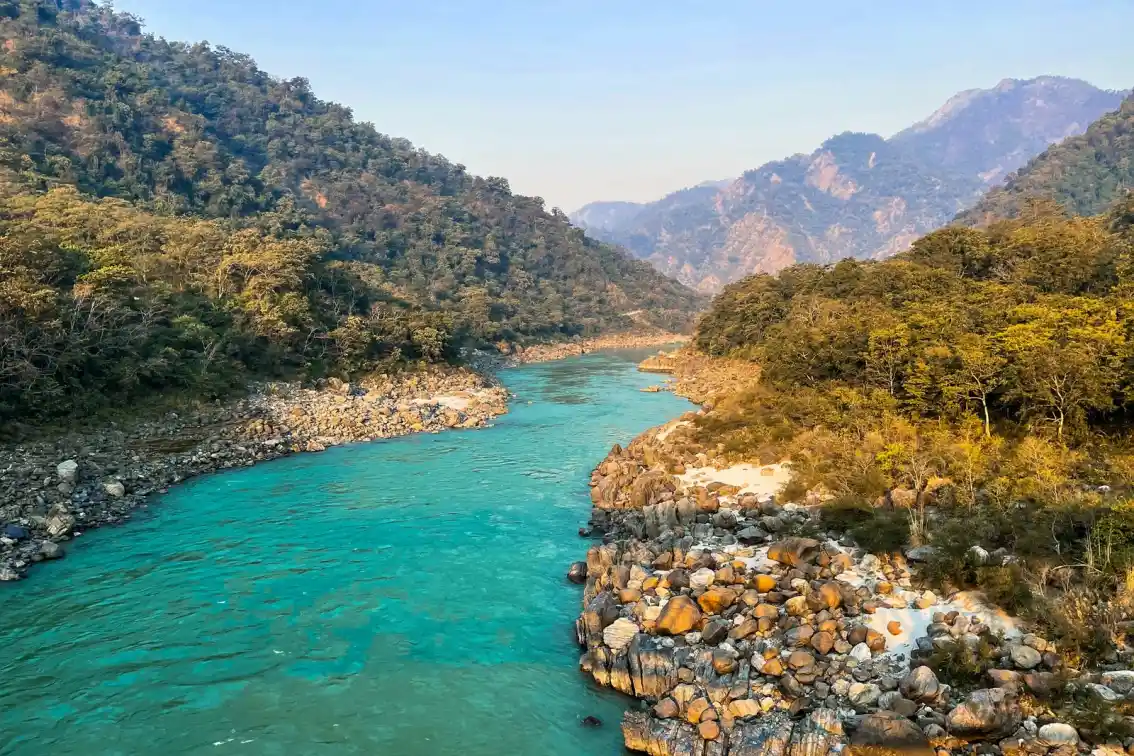
It’s a long ride. Kids will ask “how much longer?” more than once. But there’ll also be tea stops by the river, steep green valleys, and that moment in the evening when Joshimath’s lights appear on the hillside. Plan it well, and the journey becomes part of the trip.
Rishikesh to Joshimath: The Short Answer
Rishikesh to Joshimath is roughly 250 km, and the drive takes about 8 to 11 hours, depending on traffic, weather and how many stops you make. Most people go by bus or taxi.
| From | To | Distance | Usual travel time |
|---|---|---|---|
| Rishikesh | Joshimath | About 250 km | 8 to 11 hours |
| Joshimath | Badrinath | About 43 km | 1.5 to 2 hours |
| Rishikesh | Badrinath | About 300 km | 10 to 12 hours |
| Haridwar | Badrinath | About 320 km | 11 to 13 hours |
| Dehradun | Joshimath | About 275 km | About 10 hours |
These times are for good weather. In the monsoon, landslides can add hours, so always keep some extra time in hand.
Is Badrinath Open Right Now?
Badrinath is open only during the yatra season, from about late April or May to mid-November. In 2026, the temple opened on 23 April, and it closes for winter in mid-November. After that, the road beyond Joshimath goes quiet under snow until the next season.
So here’s the simple rule. If you’re travelling between May and early November, you can go all the way to Badrinath. If you’re travelling in winter, plan your trip around Joshimath, where Lord Badrinath is worshipped at the Narsingh Temple during the closed months, and the snow at Auli.
During the yatra season, registration is mandatory for Badrinath. You can do it on the official Uttarakhand pilgrimage registration portal, and you should do it before you leave Rishikesh.
The Route and Main Stops
The road from Rishikesh to Joshimath follows the Badrinath highway (NH-7) through some of Garhwal’s best-known towns:
Rishikesh → Devprayag → Srinagar → Rudraprayag → Gauchar → Karnaprayag → Nandprayag → Chamoli → Pipalkoti → Joshimath → (Badrinath)
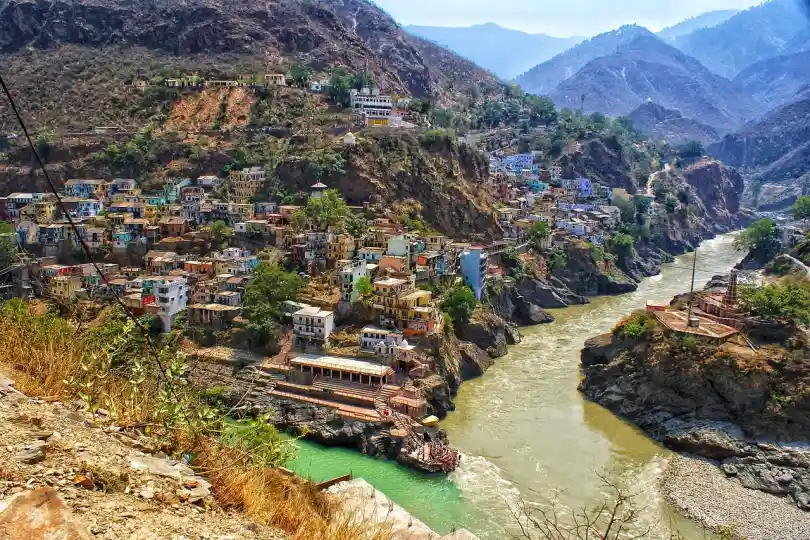
Srinagar and Rudraprayag are good places for lunch. Pipalkoti, about 35 km before Joshimath, is a quiet place to stay the night if you don’t want to do the whole drive in one go. If you’re still deciding where to sleep, our guide on where to stay in Chamoli compares every base on this road.
Rishikesh to Joshimath by Bus
The bus is the cheapest way to reach Joshimath, and it runs all year. Buses leave early in the morning, so plan to be at the stand before sunrise.
Government and GMOU Buses
Uttarakhand Roadways (UTC) and the GMOU cooperative run buses on this route. Older UTC timetables list a Rishikesh to Joshimath bus at 6:00 AM and a Dehradun to Joshimath bus at 5:30 AM. Timings change with the season, and during the yatra months buses can start as early as 4 AM, so always confirm at the bus stand a day before.
These buses are basic and non-AC, and they stop often. But they’re reliable, cheap and full of local life, which some travellers love.
Private and Online-Booked Buses
You can also book private buses online on apps like redBus, AbhiBus and EaseMyTrip. Recent listings show around six buses a day on the Rishikesh to Joshimath route, with the lowest fare at about ₹675 and the first bus at 4 AM. The ride takes roughly 9 to 10 hours. On the way back, buses from Joshimath to Rishikesh usually start at about 5:30 AM, and fares begin at roughly ₹750.
Online fares go up in peak months, so compare a couple of apps before you book.
Joshimath to Badrinath by Bus
From Joshimath, local buses and shared jeeps go up to Badrinath during the yatra season. The bus fare is roughly ₹100 one way. A few buses also run straight from Rishikesh to Badrinath in season, with fares of about ₹800 to ₹1,200.
By Shared Jeep
Shared jeeps, like Sumos and Boleros, run between the bigger towns on this road. They leave when they’re full, which is faster than a bus but less comfortable on long stretches.
They’re most useful for short hops, like Rudraprayag to Joshimath or Joshimath to Govindghat. For the full Rishikesh to Joshimath ride, most people find a bus or a taxi easier.
Rishikesh to Joshimath by Taxi
A taxi is the most comfortable way to travel, especially for families, senior citizens and anyone who gets motion sickness on mountain roads. You can stop whenever you like, and your driver will know the road well.
Taxi fares are usually quoted per day, not per kilometre, because drivers have to come back down too. Here are recent rates from Rishikesh and Haridwar operators:
| Vehicle | Seats | Usual per-day rate |
|---|---|---|
| Sedan (Dzire, Etios) | 4 | About ₹3,800 to ₹4,200 |
| Bolero | 7 | About ₹4,900 |
| Innova | 6 | About ₹5,000 to ₹5,200 |
| Innova Crysta | 7 | About ₹6,000 |
| Tempo Traveller | 12 | About ₹8,000 |
For a simple one-way drop from Rishikesh to Badrinath, local guides quote around ₹9,000 to ₹10,000, while online apps can show more, at about ₹12,000 for a sedan. Always ask if fuel, tolls, parking and the driver’s allowance are included, and get the final price in writing on WhatsApp before you leave.
Driving Yourself
You can drive your own car to Joshimath, and many people do. The highway is in good shape in most places, but it’s narrow and twisty in parts, and landslides are common in July and August.
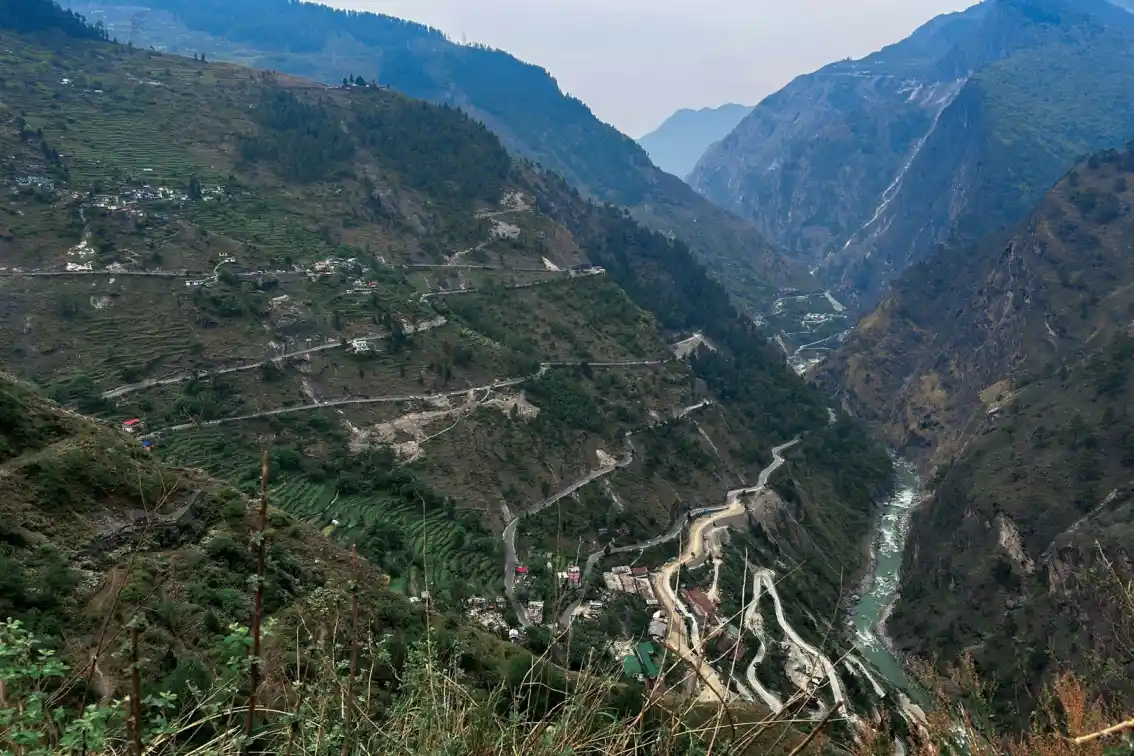
There’s one big rule to know. During the Char Dham yatra season, vehicle movement on the yatra routes, including the Rishikesh to Badrinath highway, is banned between 10 PM and 4 AM. If you’re still on the road at 10 PM, you’ll be stopped at a checkpoint for the night. So start early, and plan to reach your stay by evening.
A few more tips:
- Fill up fuel in the bigger towns, because pumps get rare higher up.
- Use low gears on long descents, and let uphill traffic pass on narrow bends.
- Don’t drive after dark, even outside the yatra season.
- In winter, carry snow chains if you plan to go up to Auli.
From Haridwar, Dehradun and Jolly Grant Airport
If you’re starting from Haridwar, add about an hour to reach Rishikesh, and then follow the same road. Haridwar to Badrinath is about 320 km.
From Dehradun, Joshimath is about 275 km, and the drive takes around 10 hours. Buses leave from Dehradun early in the morning, around 5:30 AM on the UTC timetable.
If you’re flying, the nearest airport is Jolly Grant Airport in Dehradun, close to Rishikesh. Most people land, rest for a night in Rishikesh, and start the drive to Joshimath early the next morning. That one night of rest makes the long drive much safer.
Is There a Train to Joshimath?
No, there’s no train to Joshimath or Badrinath yet. The nearest railway stations are Rishikesh (Yog Nagari Rishikesh) and Haridwar, and you continue by road from there.
A new Rishikesh to Karnaprayag railway line is being built, with 125 km of track and many long tunnels. The target for the first train to Karnaprayag has now moved to December 2028. Even when it opens, you’ll still need to drive from Karnaprayag to Joshimath, which is about 80 km. So for 2026-27, plan your trip by road.
Can You Fly by Helicopter?
During the yatra season, private helicopter charters fly from Sahastradhara in Dehradun to Badrinath, and the flight takes about an hour each way. Same-day packages from operators are usually priced at around ₹86,000 to ₹90,000 per person.
It’s expensive, and it depends on the weather, but it’s an option for senior citizens or anyone who can’t manage the long road. Some operators also run seasonal flights towards Joshimath or Gauchar, but they aren’t a regular daily service, so for most people the road remains the way.
Fares at a Glance
These are rough fares from recent listings and local operators. They change with the season, so treat them as a guide, not a fixed price.
| Route | Mode | Usual fare |
|---|---|---|
| Rishikesh to Joshimath | Bus (online) | From about ₹675 |
| Joshimath to Rishikesh | Bus (online) | From about ₹750 |
| Rishikesh to Badrinath | Bus (season only) | About ₹800 to ₹1,200 |
| Joshimath to Badrinath | Local bus (season only) | About ₹100 |
| Rishikesh to Badrinath | Taxi, one way | About ₹9,000 to ₹12,000 |
| Any route | Sedan taxi, per day | About ₹3,800 to ₹4,200 |
| Any route | Innova, per day | About ₹5,000 to ₹6,000 |
| Dehradun to Badrinath | Helicopter package (season only) | About ₹86,000 to ₹90,000 per person |
Which Option Fits You?
- Families with small kids: Take a taxi, and break the trip with a night in Pipalkoti or Srinagar.
- Senior citizens: Take a taxi or an Innova for the comfort, or a helicopter to Badrinath in season if the budget allows.
- Couples: A sedan taxi gives you the freedom to stop at every viewpoint.
- Budget travellers and backpackers: Take the early-morning government bus, then shared jeeps.
- Friend groups: Book a Tempo Traveller and split the cost.
- Self-drivers: Leave Rishikesh by 6 AM, and stay well inside the 10 PM to 4 AM driving ban.
If you’re planning the full trip, our 3, 5 and 7-day Chamoli itineraries show where each drive fits.
Tips for a Smooth Journey
- Start before sunrise. Every hour of daylight matters on this road.
- Book buses a day early in peak season. May, June, September and October fill up fast.
- Carry motion-sickness tablets and light snacks. The bends are endless, and some kids feel sick.
- Keep cash. Small dhabas and some taxis don’t take cards, and ATMs can run dry.
- Check the road before you leave. In the monsoon, ask your hotel or driver about landslides each morning.
- Keep one spare day. A blocked road shouldn’t ruin your return train or flight.
In winter, the last stretch above Joshimath is snowy. If you’re heading up to the snow, read our guide on where to stay in Auli and how to reach it now that the ropeway is closed.
Frequently Asked Questions
How far is Joshimath from Rishikesh?
Joshimath is about 250 km from Rishikesh by road. The drive usually takes 8 to 11 hours, depending on traffic, weather and how many stops you make. It follows the Badrinath highway through Devprayag, Rudraprayag, Karnaprayag and Chamoli. In the monsoon, landslides can make it take longer.
What is the bus fare from Rishikesh to Joshimath?
Online bus fares from Rishikesh to Joshimath start at roughly ₹675, and the trip takes about 9 to 10 hours. Government buses also run early in the morning from Rishikesh. Fares change with the season and the type of bus, so check the latest price on a booking app or at the bus stand.
What is the taxi fare from Rishikesh to Badrinath?
A one-way taxi from Rishikesh to Badrinath usually costs about ₹9,000 to ₹12,000, depending on the car and the season. Many operators also quote per day, starting at around ₹3,800 for a sedan and ₹5,000 for an Innova. Always confirm whether fuel, tolls and the driver’s allowance are included.
Is there a train to Joshimath or Badrinath?
No, there’s no train to Joshimath or Badrinath yet. The nearest stations are Rishikesh and Haridwar. A new Rishikesh to Karnaprayag railway line is under construction, but the first train to Karnaprayag is now expected around December 2028. Until then, the road is the only way.
Can I drive at night on the Badrinath highway?
No, not during the yatra season. Vehicle movement on the Char Dham routes, including the Rishikesh to Badrinath highway, is banned between 10 PM and 4 AM. Even outside the season, night driving on these mountain roads is risky, so plan to reach your stay before dark.
Can I go to Badrinath in winter?
No, Badrinath is closed in winter, usually from mid-November until late April or May, because of heavy snow. You can still travel from Rishikesh to Joshimath in winter, visit the Narsingh Temple, where Lord Badrinath is worshipped during these months, and go up to Auli for the snow.
Start Early, and Enjoy the Ride
Getting from Rishikesh to Joshimath is a long day, but it doesn’t have to be a hard one. Pick the right mode for your group, start before sunrise, and keep one spare day for the mountains. In season, carry on to Badrinath. In winter, let Joshimath and Auli be your snowy finish line.
And somewhere between the river bends and the tea stops, you’ll notice that the road itself has become one of the best parts of the trip.