
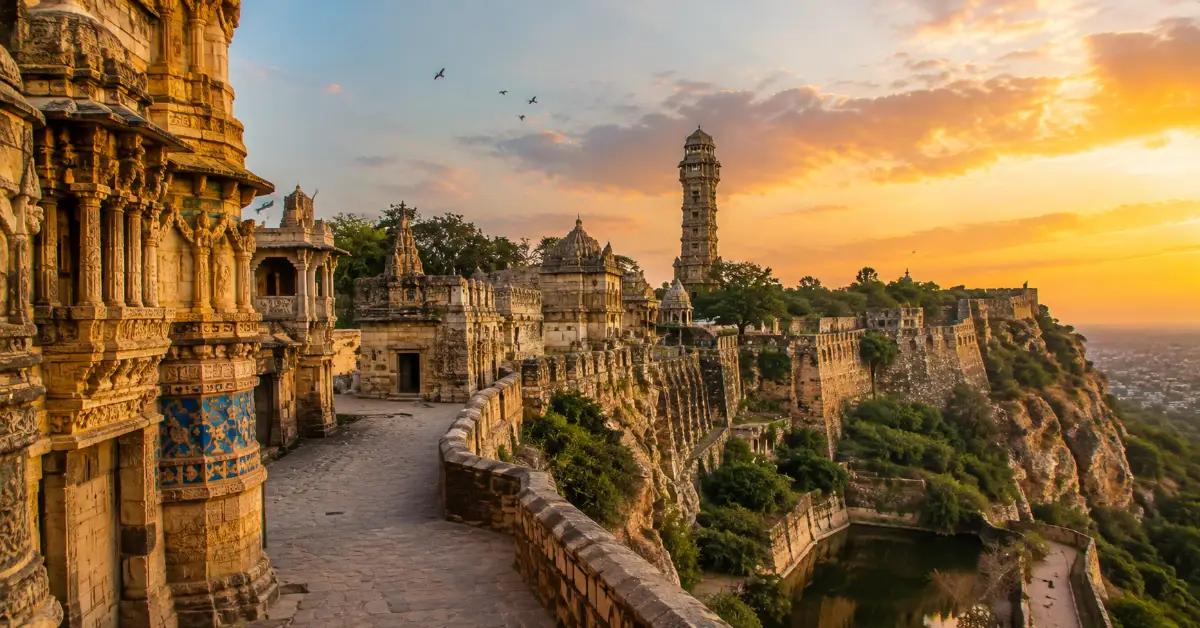
Ask most people to name a UNESCO World Heritage Site in India, and they’ll say the Taj Mahal. Fair enough, but that’s just one entry on a much longer list of indian heritage sites. As of 2026, India is home to around 44 to 45 UNESCO World Heritage Sites, the exact count shifts as new ones get added, placing the country sixth in the world for the most recognized sites. Here’s what’s actually on the list of UNESCO World Heritage Sites in India and how to think about visiting them.
What Counts as a UNESCO World Heritage Site?
UNESCO recognizes sites with what it calls Outstanding Universal Value, places significant enough that their loss would matter to humanity as a whole, not just to the country they sit in. Sites fall into three categories:
- Cultural: Monuments, cities, and human-made landmarks, the Taj Mahal, Ajanta and Ellora Caves, Hampi
- Natural: Ecosystems and landscapes of outstanding biodiversity, the Western Ghats, Kaziranga National Park
- Mixed: Sites recognized for both cultural and natural significance. India has exactly one, Khangchendzonga National Park in Sikkim
India’s tally breaks down to roughly 36 cultural sites, 7 natural sites, and that single mixed site. The list spans nearly 5,000 years, from the Indus Valley city of Dholavira, dating back over 4,000 years, to the Maratha Military Landscapes, a group of 12 forts inscribed as recently as 2025.
Iconic Sites You Probably Already Know
- Taj Mahal (Agra, Uttar Pradesh): Built by Emperor Shah Jahan for his wife Mumtaz Mahal, construction ran from 1632 to 1653
- Ajanta and Ellora Caves (Maharashtra): Rock-cut Buddhist, Hindu, and Jain cave temples, among India’s first sites inscribed back in 1983
- Qutub Minar (Delhi): A 73-meter minaret and surrounding complex, one of Delhi’s most recognizable landmarks
- Sun Temple, Konark (Odisha): A 13th-century temple designed as a giant stone chariot dedicated to the sun god
Sites Worth Knowing That Aren’t as Famous
- Dholavira (Gujarat): A Harappan city dating back roughly 5,000 years, one of the best-preserved Indus Valley sites in the country
- Rani-ki-Vav (Gujarat): An intricately carved stepwell built in the 11th century, a striking example of a uniquely Indian architectural form
- Hampi (Karnataka): The ruins of the Vijayanagara Empire’s capital, spread across a boulder-strewn landscape unlike anywhere else in India
- Champaner-Pavagadh Archaeological Park (Gujarat): A largely unexcavated historic city blending Hindu and Islamic architecture
Natural Sites Worth the Detour
- Western Ghats: A mountain range running along India’s western coast, recognized as one of the world’s biodiversity hotspots
- Kaziranga National Park (Assam): Home to the largest population of one-horned rhinoceroses in the world
- Sundarbans National Park (West Bengal): The Indian portion of the world’s largest mangrove forest, shared with Bangladesh
- Manas Wildlife Sanctuary (Assam): A biodiversity-rich reserve at the foothills of the Eastern Himalayas, also recognized as a Tiger Reserve
The Golden Triangle: An Easy Starting Point
If you’re new to India’s heritage sites and want an accessible introduction, the Golden Triangle, Delhi, Agra, and Jaipur, covers around eight UNESCO inscriptions in a single, well-connected loop. It’s the most straightforward way to see a genuine cross-section of Mughal and Rajput architecture without a complicated itinerary.
Recent Additions Worth Knowing
UNESCO recognition isn’t static. India’s list keeps growing, and the most recent inscriptions show how far the definition of heritage has stretched beyond temples and forts.
| Site | State | Year Added |
|---|---|---|
| Maratha Military Landscapes | Maharashtra | 2025 |
| Moidams of the Ahom Dynasty | Assam | 2024 |
| Santiniketan | West Bengal | 2023 |
| Sacred Ensembles of the Hoysalas | Karnataka | 2023 |
The Moidams, royal burial mounds of the Ahom dynasty, were notable as the first cultural UNESCO site from Northeast India.
Practical Tips for Visiting
Cave and cliffside sites like Ajanta, Ellora, and Elephanta are best visited during the peak morning window, roughly 9 to 11 AM, when crowds and heat are both easier to manage. For remote sites like Dholavira, deep in the Rann of Kutch, plan for longer travel times and fewer facilities than at the well-trodden Golden Triangle stops. Most major sites charge a modest entry fee for Indian nationals and a higher one for foreign visitors, worth checking current rates before you go since these do change.
Bringing It Together
India’s UNESCO World Heritage Sites list is a lot bigger than the postcard version most travelers picture. Beyond the Taj Mahal, there are Harappan cities, stepwells, mangrove forests, and freshly inscribed Maratha forts, spanning thousands of years and every corner of the country. Exploring these indian heritage sites, whether you start with the accessible Golden Triangle or work your way toward something more remote like Dholavira, means you’re never far from a site that changes how you think about India’s history.
FAQs
How many UNESCO World Heritage Sites does India have? As of 2026, India has around 44 to 45 sites, since new ones are added periodically. The most recent addition, Sarnath, brought the total to 45 according to some sources, though the number varies slightly depending on when it’s counted.
Which was India’s first UNESCO World Heritage Site? India’s first sites were inscribed together in 1983, including the Ajanta Caves, Ellora Caves, Agra Fort, and the Taj Mahal.
What is India’s only mixed UNESCO World Heritage Site? Khangchendzonga National Park in Sikkim, designated in 2016, is India’s sole site recognized for both cultural and natural significance.
What is the easiest way to visit multiple UNESCO sites in one trip? The Golden Triangle route, Delhi, Agra, and Jaipur, covers around eight UNESCO-listed sites in a single, well-connected loop, making it the most accessible starting point.