Quick Answer
Chamoli food is simple, warm and healthy Garhwali home cooking. It’s built on hill millets like mandua and jhangora, local pulses like gahat and black bhatt, and leafy greens, all cooked with mild spices. The dishes you shouldn’t miss are kafuli, phanu, chainsoo, gahat ki dal, mandua ki roti, aloo ke gutke and jhangora ki kheer. You’ll find them in a Garhwali thali at small bhojanalayas in Joshimath and Gopeshwar, and most easily in village homestays.
Below, you’ll find what each dish is, how it tastes, and where to eat it, so you know what to order on your Chamoli trip.
A Plate That Tells You Where You Are
Imagine coming back to your homestay after a cold day in the hills. The kitchen smells of wood smoke and mustard oil. Your host puts down a steel plate with a thick green curry, a dark brown roti, a bowl of dal and a spoon of something sweet. Nothing on it looks fancy, but by the second bite, you understand it.
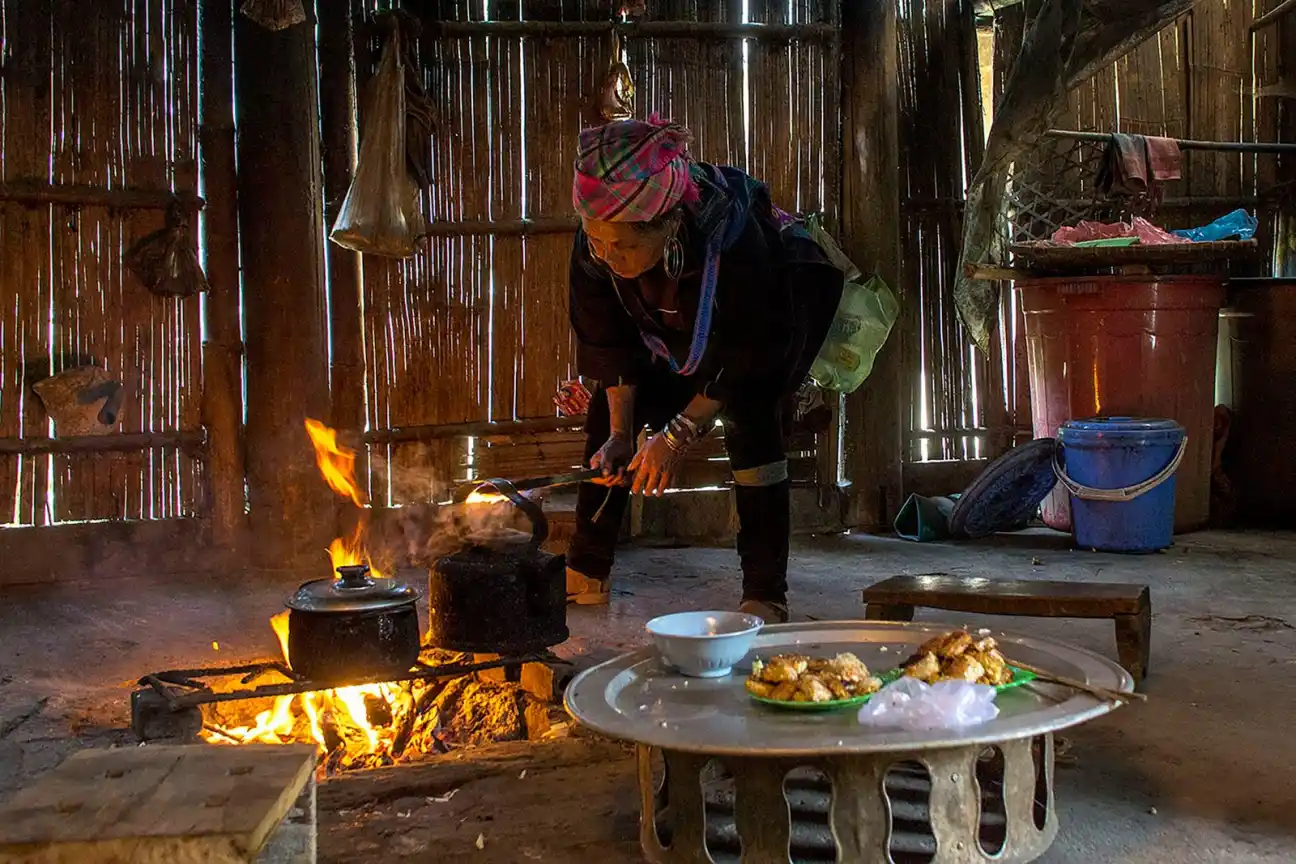
That’s Chamoli food. It was made by farming families who needed to stay warm and strong through long winters. Every dish uses what grows on the terraced fields around you, so eating it is one of the easiest ways to feel close to the place.
What Makes Chamoli Food Different?
Chamoli food is part of Garhwali cuisine, which is one of the two main food styles of Uttarakhand. A few simple things make it special.
- Hill grains: Mandua (finger millet), jhangora (barnyard millet), chaulai (amaranth) and red rice are everyday grains here.
- Hill pulses: Gahat (horse gram), bhatt (black soybean) and urad (black gram) are used in many dishes.
- Mild spices: The food isn’t very spicy, so you taste the grain, dal and greens themselves.
- Local herbs: Jakhiya, a tiny seed that crackles in hot oil, gives many dishes their special flavour.
- Slow wood-fire cooking: In villages, food is still cooked slowly on a chulha, which adds a soft, smoky taste.
- Mostly vegetarian: Near pilgrim towns like Joshimath and Badrinath, most local food is vegetarian.
Many of these grains are now proudly protected too. In December 2023, Uttarakhand received GI tags for 18 products in a single day, including mandua, jhangora, red rice, gahat and kala bhatt.
12 Garhwali Dishes to Try in Chamoli
1. Kafuli
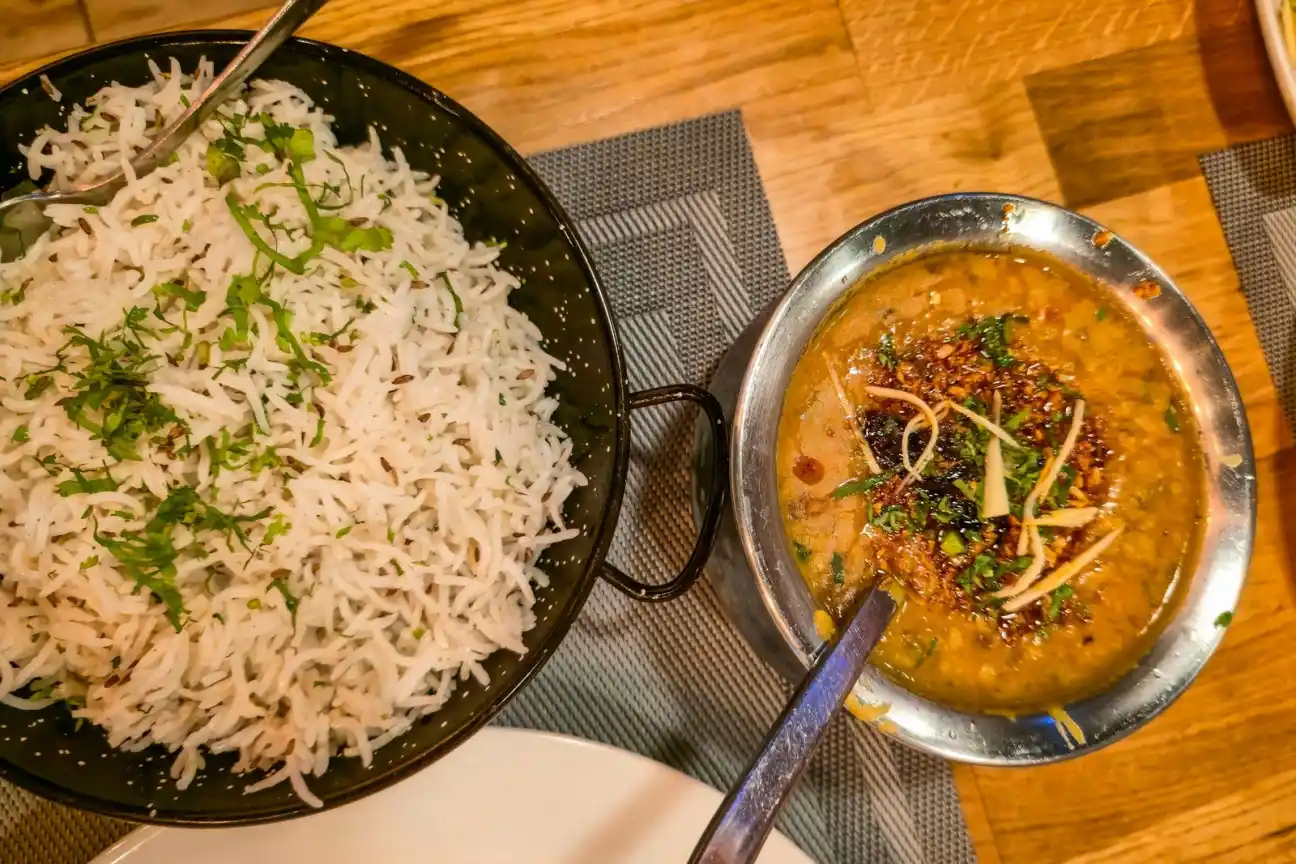
Kafuli is a thick green curry made from leafy greens like spinach and fenugreek. Some cooks thicken it with a little rice or wheat paste, so it’s creamy without any cream. It’s soft, earthy and very filling, and it tastes best with plain rice on a cold evening.
2. Phanu
Phanu is a slow-cooked dal made from soaked and ground lentils, most often gahat (horse gram). The dal is soaked for hours, ground into a paste and simmered until thick. It’s rich in protein and has a deep, nutty taste.
3. Chainsoo
Chainsoo is made from urad dal that’s roasted, ground and then cooked with spices. Roasting gives it a dark colour and a smoky flavour. It’s heavy and warming, so locals love it in winter, usually with rice.
4. Gahat ki Dal and Gahat Paratha
Gahat, or horse gram, is one of the most loved pulses of the hills. You’ll find it as a simple dal tempered with local spices, or stuffed into parathas for a filling breakfast. Many families believe gahat helps keep the body warm in winter.
5. Mandua ki Roti
Mandua ki roti is a dark, slightly rough flatbread made from finger millet flour. It tastes a little nutty and goes well with almost any curry, chutney or ghee. If you want to eat like a local, ask for mandua roti instead of a regular one.
6. Aloo ke Gutke
Aloo ke gutke are boiled potato pieces tossed in mustard oil with jakhiya, red chilli and local spices. They’re simple, crispy at the edges and very tasty. You’ll find them as a snack with tea or as a side dish in a thali.
7. Kandali ka Saag
Kandali ka saag is made from Himalayan stinging nettle, which loses its sting once it’s cooked. It has a slightly sour taste, a bit like spinach. Many hill families cook it in the cold months, when fresh greens are hard to find.
8. Bhatt ki Churdkani
Bhatt ki churdkani is a thick, dark curry made from black soybeans called bhatt. It’s rich, earthy and packed with protein. Kala bhatt from Uttarakhand is one of the GI-tagged foods of the state, so this dish is a real taste of the hills.
9. Thechwani
Thechwani is made by crushing, not cutting, vegetables like radish or potato, and then cooking them with mustard oil and spices. The crushing helps the vegetables soak up the masala. It’s a homely dish that you’ll mostly find in village kitchens.
10. Bhang ki Chutney
Bhang ki chutney is a tangy chutney made from roasted hemp seeds. The seeds don’t make you high. It’s mixed with lemon, chilli and salt, and it adds a sharp, nutty kick to any meal. Try a little with mandua roti or aloo ke gutke.
11. Jhangora ki Kheer
Jhangora ki kheer is a sweet pudding made from barnyard millet, milk and cardamom, often topped with dry fruits. It’s lighter than rice kheer and has a soft, grainy texture. It’s one of the most popular Garhwali desserts.
12. Arsa and Gulgula
Arsa is a festive sweet made from rice flour and jaggery, deep-fried until golden. It’s often made for weddings and special occasions. Gulgula are small, round fritters made from wheat flour and jaggery, a bit like sweet mini doughnuts, and they’re perfect with an evening cup of tea.
The Garhwali Thali: The Easiest Way to Try Everything
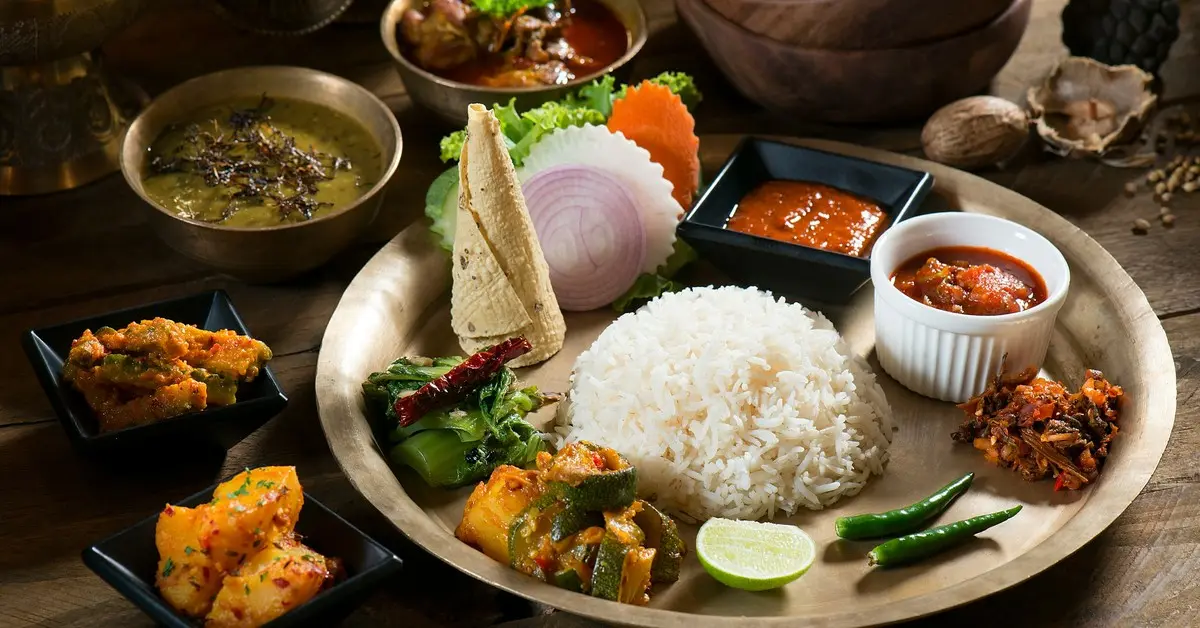
If you can’t decide what to order, ask for a Garhwali or pahadi thali. A typical thali can include rice, mandua roti, a dal like gahat or chainsoo, kafuli or another green curry, aloo ke gutke, a chutney and sometimes a small sweet. The exact items change with the cook and the season.
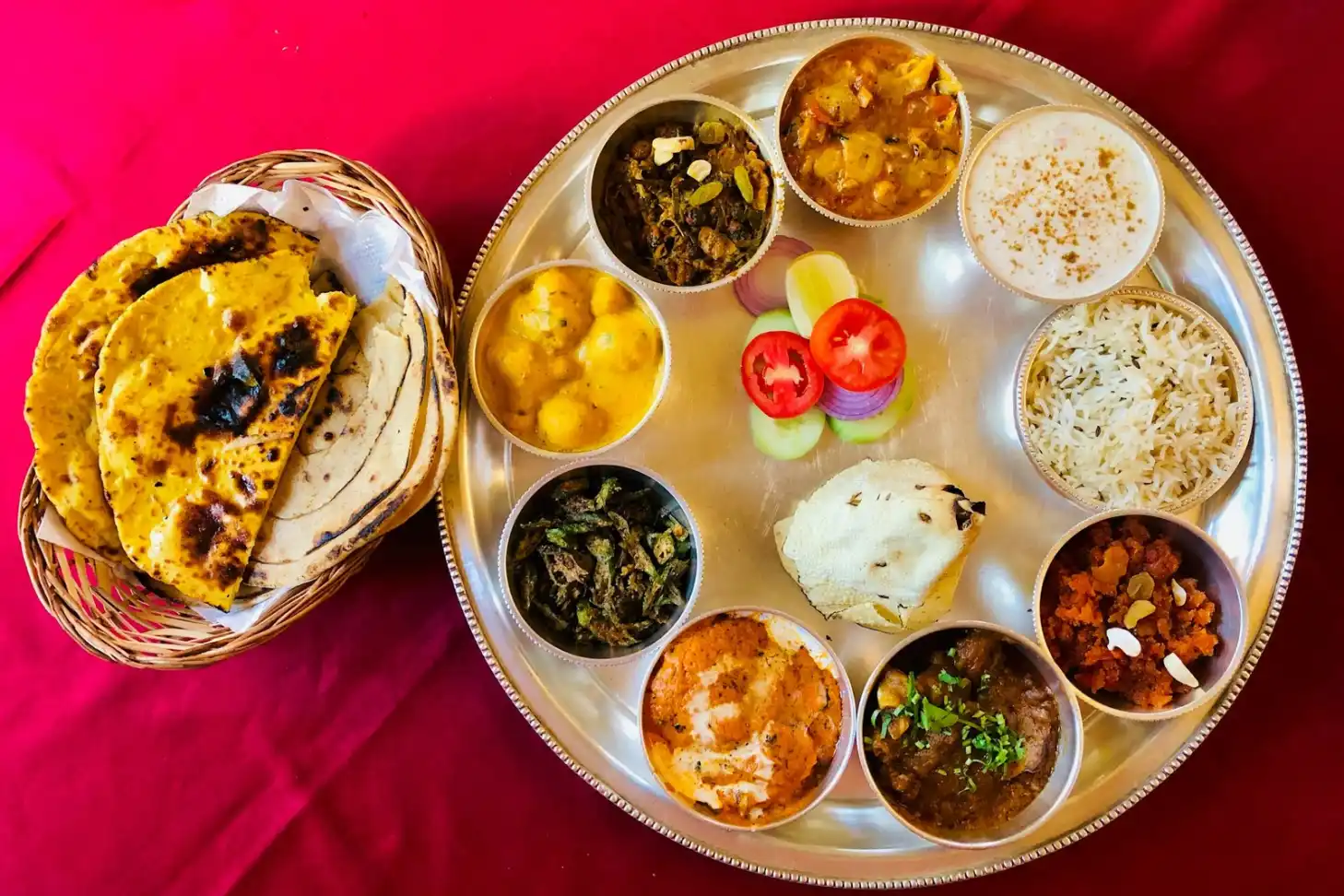
It’s also the best value meal for families, because everyone gets to taste a little of everything in one go.
Where to Eat Garhwali Food in Chamoli
Garhwali food is easiest to find at small local eateries and homestays, rather than big hotels. Here’s where to look.
Joshimath
Joshimath has the most local eateries in the area, so it’s your best bet for a Garhwali thali. Small bhojanalayas and dhabas along the Badrinath road often serve pahadi dishes alongside regular North Indian food. Travel guides list places like Sakshi Restaurant and Shanker Shri Restaurant on Badrinath Road for Garhwali thalis, but menus change, so check recent reviews before you go.
Auli
Auli has only a few places to eat, and most travellers eat at their resort or hotel. Ask your stay if they can cook a Garhwali meal for you. If not, Joshimath is a short drive down. Our guide on where to stay in Auli can help you pick a base close to good food.
Gopeshwar and Pipalkoti
Gopeshwar, the district headquarters, and Pipalkoti on the highway both have simple local eateries where you can ask for pahadi khana. They’re quieter than Joshimath, and the food is usually cooked fresh.
Village Homestays
Homestays are the best place to taste real Chamoli food. Your host will usually cook whatever’s fresh from their fields, often on a wood fire. Tell them a few hours ahead that you’d like a Garhwali meal, and they’ll often be happy to make it.
If you’re still deciding where to sleep, our guide on where to stay in Chamoli compares every base on the Badrinath road.
Local Fairs
Fairs are another great place to taste and buy hill food. At Chamoli’s biggest November fair, you’ll often find stalls selling pahadi grains, dals and honey. Read our guide to Gauchar Mela to plan a visit.
Hill Food to Take Home
You don’t have to leave the taste behind. Many shops and local stalls in Chamoli sell hill produce that you can cook at home:
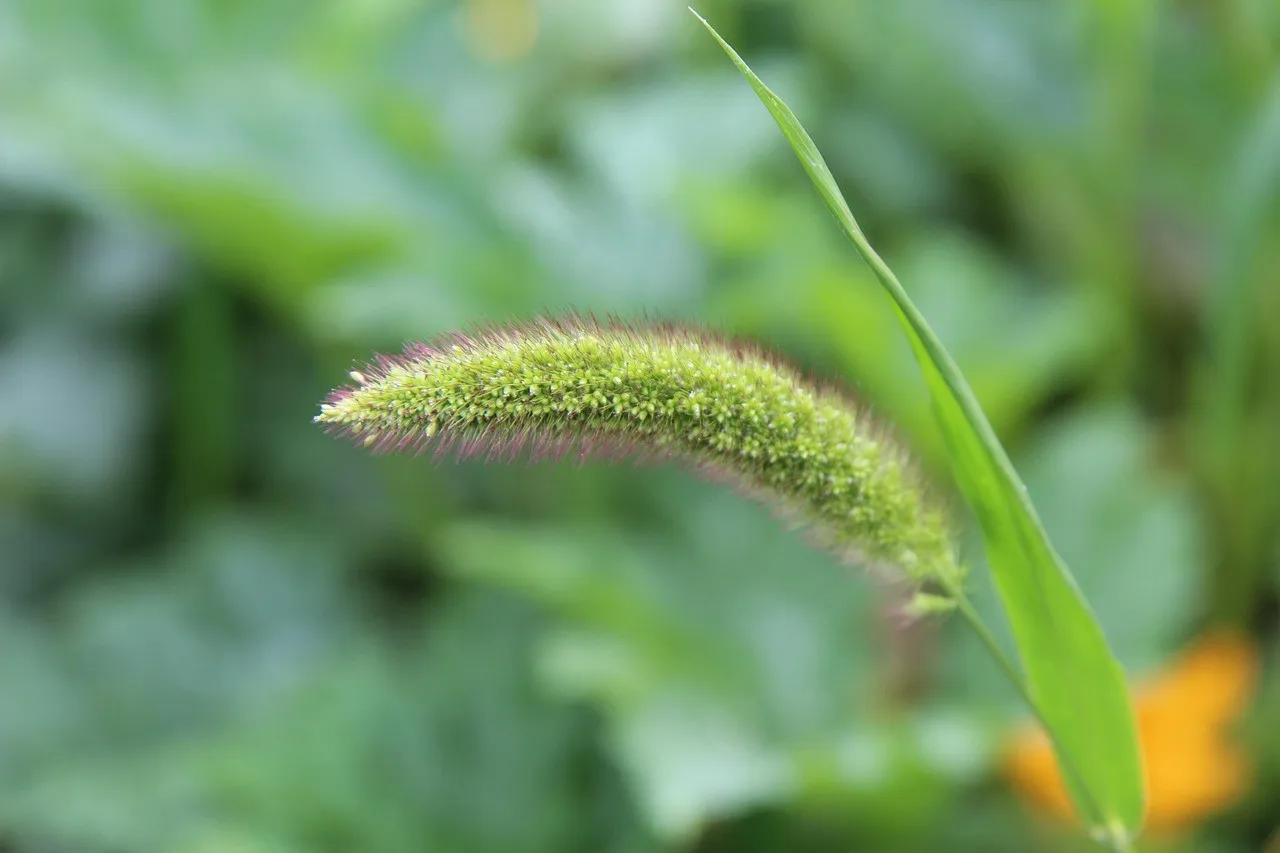
- Mandua (finger millet) flour
- Jhangora (barnyard millet)
- Red rice
- Gahat (horse gram) dal
- Kala bhatt (black soybean)
- Chaulai (amaranth)
- Pahadi rajma and local honey
Several of these, like mandua, jhangora, red rice, gahat and kala bhatt, carry Uttarakhand’s GI tag. Buying them from local farmers and self-help groups is a lovely way to support the people of the hills.
Tips for Eating Local in Chamoli
- Ask for “pahadi khana”. Many places cook it but don’t put it on the menu.
- Order ahead at homestays. Dishes like phanu and chainsoo take time to cook.
- Try food in season. Kandali ka saag and heavy dals like chainsoo are most common in winter.
- Eat light at high altitude. Heavy meals can feel harder to digest up high, so don’t overeat.
- Respect local customs. Pilgrim towns like Joshimath and Badrinath are mostly vegetarian.
- Carry cash. Small dhabas and village stalls often don’t take cards.
For a full trip plan, see our 3, 5 and 7-day Chamoli itineraries.
Frequently Asked Questions
What is the famous food of Chamoli?
The famous food of Chamoli is traditional Garhwali cooking. Must-try dishes include kafuli, phanu, chainsoo, gahat ki dal, mandua ki roti, aloo ke gutke and jhangora ki kheer. These dishes use hill millets, local pulses and leafy greens, and they’re cooked with mild spices to keep you warm in the mountains.
Is Chamoli food vegetarian?
Most traditional Chamoli food is vegetarian, especially in pilgrim towns like Joshimath and Badrinath. Everyday Garhwali meals are built on dals, millets, greens and vegetables. Some Garhwali families do cook meat at home, but as a visitor, you’ll mostly find vegetarian food at local eateries and homestays.
Where can I eat Garhwali food in Joshimath?
You can eat Garhwali food at small bhojanalayas and dhabas along the Badrinath road in Joshimath, many of which serve a pahadi thali. Travel guides mention places like Sakshi Restaurant and Shanker Shri Restaurant for Garhwali thalis. Homestays around Joshimath are also a great option if you order a few hours ahead.
What is kafuli made of?
Kafuli is made from leafy greens, mainly spinach and fenugreek leaves, cooked into a thick, creamy curry. Some cooks thicken it with a little rice or wheat paste. It’s usually seasoned with mild spices and eaten with plain rice. It’s one of the most popular Garhwali dishes and is especially loved in winter.
What hill food can I buy in Chamoli to take home?
You can buy mandua (finger millet) flour, jhangora (barnyard millet), red rice, gahat dal, kala bhatt, chaulai, pahadi rajma and local honey. Several of these, including mandua, jhangora, red rice, gahat and kala bhatt, have Uttarakhand’s GI tag. Look for them at local shops, self-help group stalls and fairs.
Is bhang ki chutney safe to eat?
Yes, for most people bhang ki chutney is safe to eat. It’s made from roasted hemp seeds, which have little to none of the substance that makes people high. The seeds are ground with lemon, chilli and salt to make a tangy, nutty chutney. It’s a common side dish in Uttarakhand and goes well with mandua roti.
Taste the Hills, One Plate at a Time
The best part of Chamoli isn’t only its mountains and temples. It’s also the simple food that has kept hill families strong for generations. A plate of kafuli, mandua roti and jhangora kheer will tell you more about the place than any guidebook can.
So on your next trip, skip the noodles for one meal, ask for pahadi khana, and enjoy Chamoli food the way locals do. Then take a packet of mandua or red rice home, and bring a little of the hills to your own kitchen.