Quick Answer
For an all-round trip covering hill stations, temples, and treks, plan between March and June or September and November.
Chase snow specifically in December through February, and save the monsoon months strictly for the Valley of Flowers, since most other routes carry meaningful landslide risk during that window.
Best Time to Visit Uttarakhand
The best time to visit Uttarakhand is March to June and September to November, when the weather is clear and most hill stations, treks, and pilgrimage routes are fully open.
Winter and monsoon each bring their own specific draws too, so the ideal month genuinely depends on what you are traveling for.
Your travel goal could be:
- Snow
- Temples
- Treks
- Simple hill-station relaxation
Uttarakhand Weather by Month
Summer (March to June)
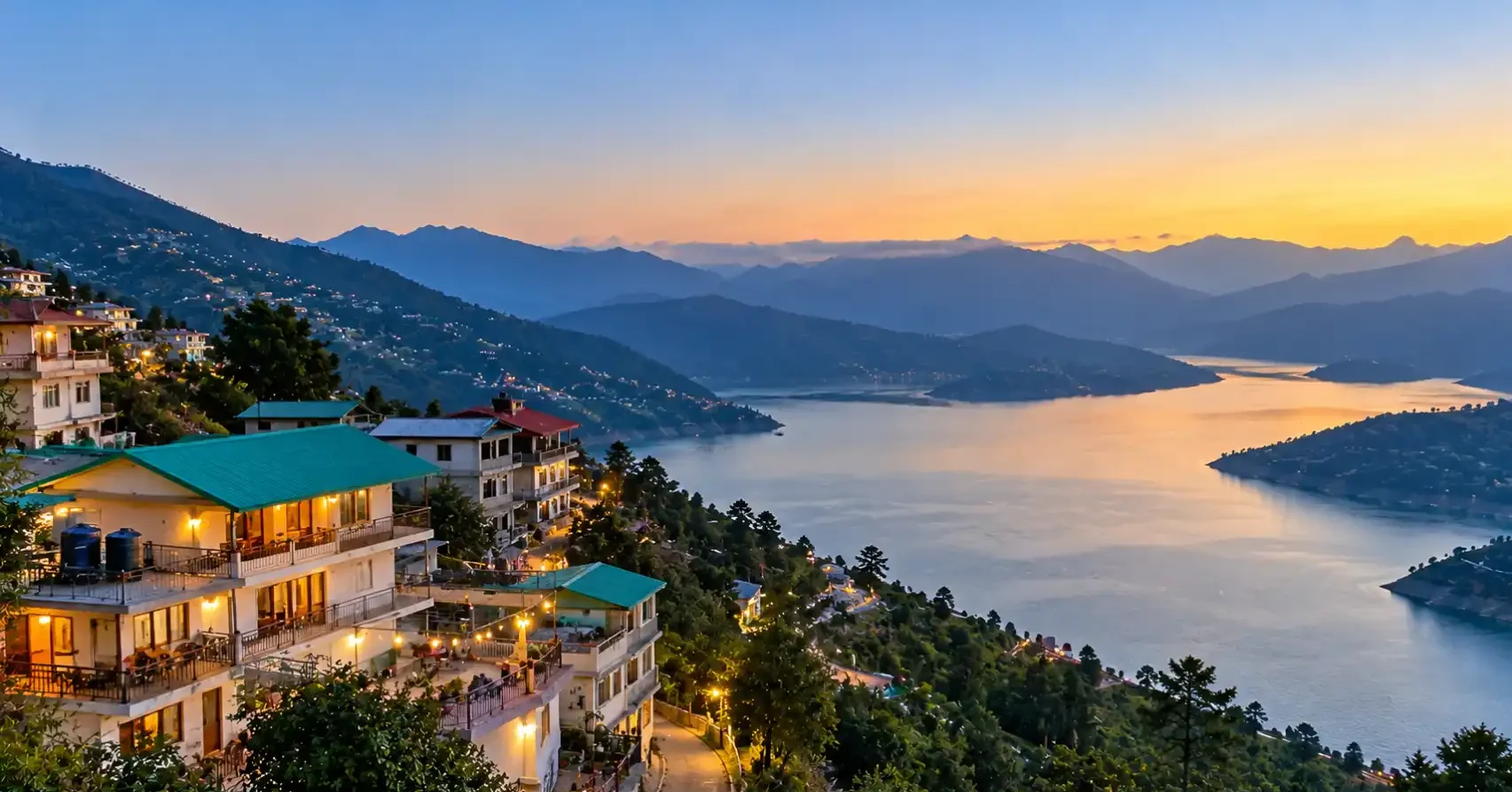
This is uttarakhand peak season, with pleasant days in Nainital, Mussoorie, and Dehradun even as the plains of North India swelter under far higher temperatures.
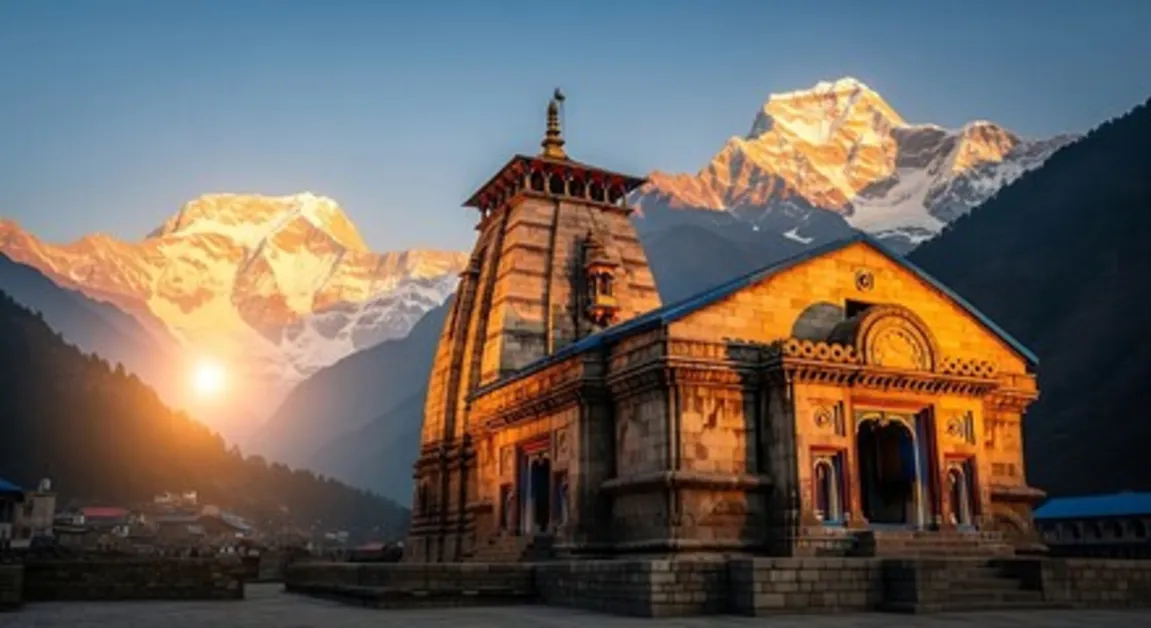
This is also when the Char Dham Yatra season begins, with the four sacred shrines opening in April and running through the season.
The four sacred shrines are:
- Yamunotri
- Gangotri
- Kedarnath
- Badrinath
High-altitude treks like the Valley of Flowers open from June onward, once winter snow has cleared enough for the trail to become passable.
Monsoon (July to September)
Heavy rain and elevated landslide risk make this a genuinely tricky window for road trips and most treks in the hills.
Routes can close with little warning after sustained rainfall.
However, the Valley of Flowers is famously in full bloom during exactly this period.
Why the monsoon is special for the Valley of Flowers:
- Wildflower meadows reach their peak between mid-July and mid-August.
- This makes the Valley of Flowers one trek worth the monsoon trade-off.
Autumn (October to November)
This stretch offers some of the clearest skies of the year.
Temperatures stay cool and comfortable, while crowds are noticeably thinner compared to the summer rush.
Why autumn works well:
- Clear skies
- Cool and comfortable temperatures
- Noticeably thinner crowds
- Ideal conditions for photographers
- A quieter hill-station experience
Winter (December to February)
This brings uttarakhand snowfall to hill stations like Auli, Mussoorie, and parts of Nainital.
It is ideal for snow lovers and skiing enthusiasts.
However, high-altitude areas and most trekking routes shut down completely during this period.
Winter travel conditions:
- The Char Dham temples close for winter.
- Their deities are moved to lower winter seats until the yatra season resumes the following spring.
- High-altitude routes become inaccessible in many parts of the state.
Best Time by Experience
| Experience | Best Time |
|---|---|
| Char Dham Yatra | Late April to mid-November, when the four shrines are open to pilgrims |
| Valley of Flowers Trek | Roughly July to early September, the peak flowering season inside the national park |
| Snowfall in Auli or Mussoorie | December to February, the reliable winter snow window |
| Nainital and Mussoorie sightseeing | March to June and September to November, avoiding both monsoon disruption and peak winter cold |
Regional Differences Worth Knowing
Uttarakhand’s geography splits broadly into the Garhwal and Kumaon regions, each with slightly different weather patterns and attractions.
Garhwal, home to the Char Dham shrines, Auli, and the Valley of Flowers, sees more dramatic high-altitude weather shifts. See our guide to the best places to visit in Chamoli, the district home to Auli and the Valley of Flowers.
| Region | Weather and Travel Experience |
|---|---|
| Garhwal | Home to the Char Dham shrines, Auli, and the Valley of Flowers, with more dramatic high-altitude weather shifts |
| Kumaon | Home to Nainital, Almora, and Ranikhet, with a slightly milder, more forgiving climate overall |
Kumaon can be a reasonable choice if you want hill-station charm without the extremes of high-altitude Garhwal travel. See our roundup of the best hill stations in Uttarakhand for more on choosing between them.
What to Pack by Season
For a summer trip, light layers with a warm jacket for evenings work well.
Even popular towns cool down noticeably after dark.
| Season | What to Pack |
|---|---|
| Summer | Light layers with a warm jacket for evenings |
| Monsoon | Waterproof gear, quick-dry clothing, and sturdy footwear for slippery mountain trails |
| Winter | Proper thermal layers, waterproof boots, and heavy jackets |
For winter travel to snow-heavy areas like Auli, temperatures at altitude can drop well below freezing.
Festivals and Events Worth Planning Around
The opening of the Char Dham Yatra each April is itself a significant cultural event.
It is marked by traditional rituals and processions at all four shrines and draws devotees from across India. Many pilgrims also pass through Haridwar en route, so it is worth checking the best time to visit Haridwar as well.
Other cultural events worth knowing:
- Nanda Devi Raj Jat: A rare and elaborate pilgrimage held only once every twelve years, and one of the most significant cultural events in the region when it does occur.
- Uttarayani Fair: Typically held in January in Bageshwar.
- Local harvest festivals: Various local harvest festivals across Kumaon and Garhwal add smaller but meaningful cultural touchpoints throughout the year.
These events are ideal for travelers interested in more than just scenery.
Building an Itinerary Around the Season
A summer trip supports the widest range of activities at once.
You can combine hill-station relaxation in Nainital or Mussoorie, pilgrimage travel on the Char Dham circuit, and early-season trekking. For Nainital specifically, see our guide on the best time to visit Nainital.
Build your trip around your travel season:
- Summer: Hill-station relaxation in Nainital or Mussoorie, pilgrimage travel on the Char Dham circuit, and early-season trekking.
- Autumn: Some trekking options are traded for noticeably better visibility and quieter towns, which suits travelers who prioritize photography and a slower pace.
- Winter: Build the trip specifically around snow destinations like Auli, since much of the rest of the state, particularly high-altitude routes, becomes inaccessible during these months.
- Monsoon: Makes sense almost exclusively for travelers with the Valley of Flowers as their primary goal, since most other regions carry real landslide and road-closure risk during this period.