Quick Answer
For a classic Kerala holiday covering backwaters, beaches, and hills, plan your trip between October and March.
If you specifically want an authentic Ayurveda experience, the monsoon months of June through September are traditionally considered the ideal window.
However, the same rain makes beach time less appealing during that stretch.
Best Time to Visit Kerala – Month Wise
The best time to visit Kerala is October to March, when the weather turns cool and dry and conditions are ideal for backwaters, beaches, and hill stations.
Kerala is also one of the few Indian destinations genuinely worth visiting during the monsoon, provided you know exactly what that season is best suited for.
Kerala Weather by Month
Winter (October to February)
This stretch is kerala peak season.
Temperatures stay comfortable, generally between 20°C and 30°C, humidity eases compared to the rest of the year, and this is the best window for Alleppey houseboat cruises, Munnar’s tea garden visits, and beach time in Kovalam or Varkala. For more coastal options, see our guide to the best beaches in Kerala.
Backwaters are calmest during these months, since there is little rain to disturb the still, glassy water that makes houseboat photography so popular.
Best experiences during this season:
- Alleppey houseboat cruises
- Munnar’s tea garden visits
- Beach time in Kovalam or Varkala
- Backwater photography
Summer (March to May)
Coastal and lowland Kerala turns hot and humid, frequently crossing 35°C.
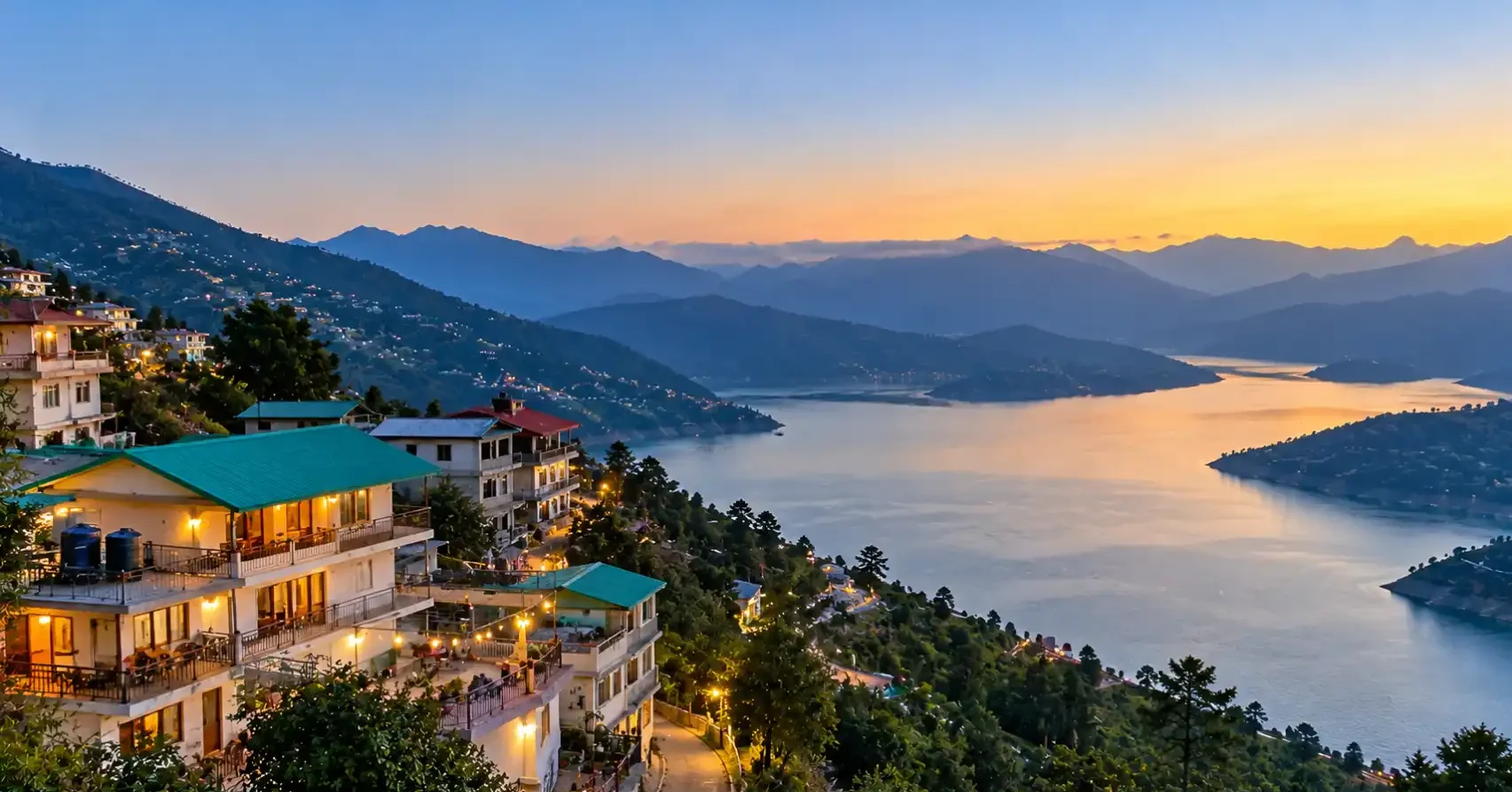
Meanwhile, hill stations like Munnar and Wayanad stay noticeably cooler and more pleasant thanks to their elevation.
This is a reasonable time to prioritize the hill regions over the coast if you are traveling during these months.
The heat and humidity in cities like Kochi and Kollam can be draining for extended sightseeing.
A better focus for summer travel:
- Munnar
- Wayanad
- Other higher-elevation regions of the Western Ghats
Monsoon (June to September)
This is kerala monsoon season, when the southwest monsoon sweeps in from the Arabian Sea and brings heavy, sustained rainfall across the state.
Kerala is typically one of India’s wettest regions during this period.
Beaches are not ideal during these months, with rough seas and frequent showers limiting outdoor time. If you are comparing coastlines, check out our roundup of the best beaches in India.
However, this season is traditionally considered the best time for Ayurveda and wellness treatments, since practitioners believe the cool, humid monsoon air helps the body absorb therapeutic herbal oils more effectively during panchakarma and other treatments.
The backwaters and hill regions also turn a striking, saturated green that many photographers specifically chase during this window.
Monsoon is best suited for:
- Ayurveda and wellness treatments
- Panchakarma and other treatments
- Green landscapes and photography
- Backwater and hill region experiences
Best Time by Experience
| Experience | Best Time |
|---|---|
| Backwaters and houseboats | October to February, when waters are calm, clear, and ideal for slow cruising |
| Hill stations like Munnar and Wayanad | September to May, avoiding the heaviest monsoon months when landslide risk rises on hill roads |
| Ayurveda and wellness retreats | June to September, the traditional monsoon season most practitioners recommend for treatments |
| Beaches like Kovalam and Varkala | November to February for the driest, sunniest days and calmest seas |
Regional Differences Worth Knowing
Kerala’s geography means weather can vary meaningfully between the coast, the midlands, and the Western Ghats hill stations, even on the same day.
Munnar and Wayanad, both sitting at higher elevation, stay several degrees cooler than Kochi or Alleppey year-round.
This makes them a reliable summer escape when the coast turns uncomfortably hot and humid.
Regional differences at a glance:
- Munnar and Wayanad: Stay several degrees cooler than Kochi or Alleppey year-round.
- Kochi and Alleppey: Can become uncomfortably hot and humid during summer.
- Kovalam and Varkala: Depend heavily on calm seas for their appeal, so their best window aligns closely with the dry winter season rather than the shoulder months.
What to Pack by Season
For winter travel, light cotton clothing works well during the day.
Carry a light layer for cooler early mornings, particularly in the hills.
| Season | What to Pack |
|---|---|
| Winter | Light cotton clothing and a light layer for cooler early mornings, particularly in the hills |
| Summer | Breathable fabrics, sun protection, and plenty of water |
| Monsoon | A proper rain jacket or umbrella, quick-dry clothing, and waterproof or quick-drying footwear |
Regular sandals and canvas shoes struggle with Kerala’s persistent rain and humidity during the monsoon months.
Festivals to Time a Trip Around
Onam, Kerala’s biggest harvest festival, usually falls in late August or early September.
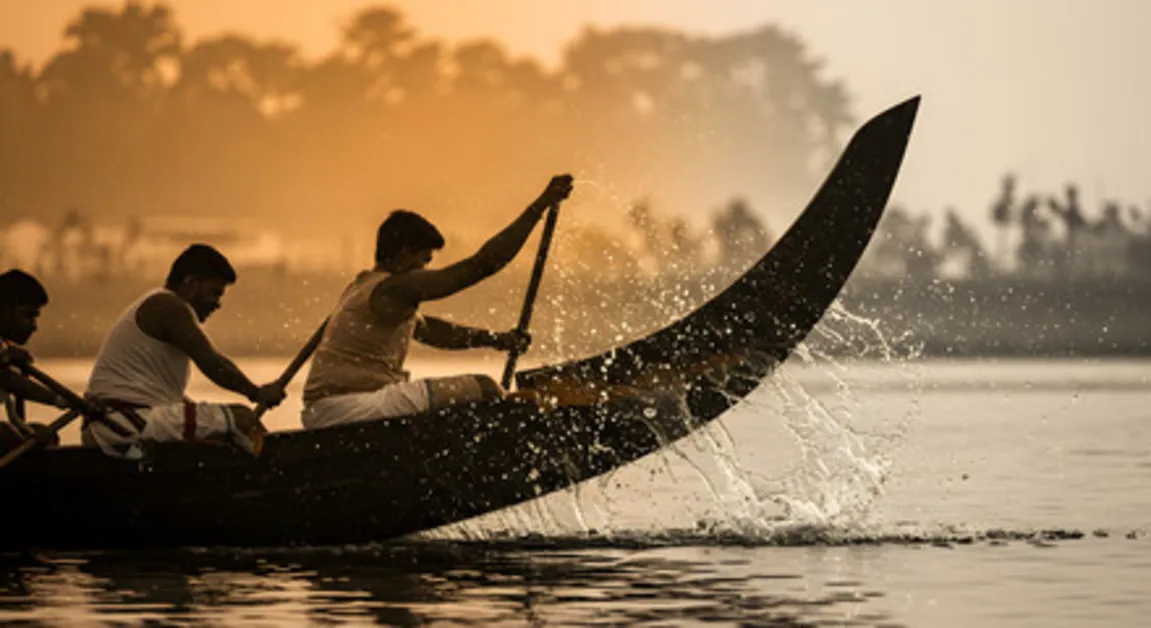
It brings elaborate flower arrangements, boat races, and feasts across the state, making it a vibrant, if crowded, time to visit.
Other festivals and events worth timing a trip around:
- Nehru Trophy Boat Race: One of the most famous snake boat races in India, typically takes place in August in Alleppey.
- Thrissur Pooram: A major temple festival known for its elephant processions and fireworks, usually falls in April or May and draws large crowds to Thrissur specifically.
Building a Trip Around the Season
If you are planning a first Kerala trip, winter is the safest and most flexible choice.
It supports backwaters, beaches, and hill visits all in one itinerary without weather working against any of them. Goa follows a similar winter-is-best pattern; see our guide on the best time to visit Goa if you are weighing both coasts.
Choose your trip based on your main travel goal:
- First Kerala trip: Winter is the safest and most flexible choice.
- Wellness and Ayurveda: A monsoon trip works best, paired with hill station time in Munnar or Wayanad rather than coastal beach days.
- Hill stations and fewer crowds: A summer trip makes sense mainly if you are focused on the Western Ghats hill stations and want to avoid Kerala’s biggest crowds.
Tourist numbers dip noticeably in the hottest months compared to the winter rush.