
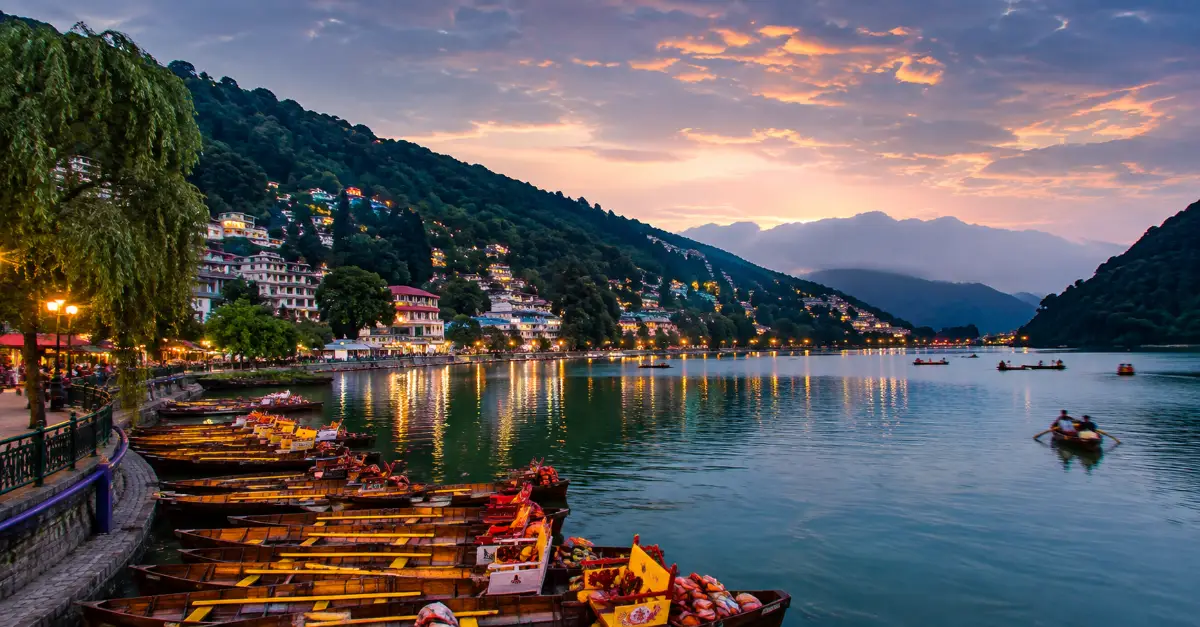
Thinking about a Nainital trip but not sure which month to pick? It matters more than you’d think. The town looks and feels genuinely different depending on when you visit, and picking the right season can be the difference between a relaxed trip and one spent dodging crowds or rain.
Here’s a straightforward, season-by-season look at nainital weather to help you decide.
Quick Overview
| Season | Months | What to Expect |
|---|---|---|
| Summer | March–June | Cool, pleasant, busiest time of year |
| Monsoon | July–September | Heavy rain, landslide risk on approach roads |
| Autumn | October–November | Clear skies, comfortable weather, fewer people |
| Winter | December–February | Cold, occasional snowfall, quiet |
If you want the short answer, March to June or September to November are your safest bets for good weather. But each season has its own trade-offs worth knowing.
Summer (March to June)
This is nainital peak season, and it’s easy to see why. While the plains are heating up past 40°C, Nainital stays cool and comfortable, which makes it a popular escape for families.
The downside is exactly what you’d expect. Mall Road gets crowded, boat queues at Naini Lake get longer, and hotel prices climb, especially during the May-June school holiday rush. If crowds don’t bother you, summer still works well. If you’d rather avoid them, keep reading.
Monsoon (July to September)
Rain arrives properly in July, and the hills turn a deep green that summer never quite matches. Crowds drop off too, since most travelers avoid this season on purpose.
But there’s a real catch. The roads into Nainital, especially the stretch from Kathgodam, carry genuine landslide risk during heavy monsoon spells. This isn’t the season for a tightly packed schedule. If you have flexibility and don’t mind some rain, nainital monsoon travel can actually be rewarding, just go in with the right expectations.
Autumn (October to November)
This one’s underrated. The monsoon clears the air, skies stay bright, temperatures sit in a comfortable range, and the summer crowds have mostly gone home by now.
If you’re after good weather without the chaos of peak season, this is probably your best window. Photography conditions are noticeably better too, since visibility improves once the rain stops.
Winter (December to February)
Spending time in nainital in winter means cold days, occasional snowfall, and a much quieter town overall. It’s the season for anyone hoping to see snow without traveling all the way to somewhere like Auli.
A few activities, boating especially, may run shorter hours when it’s cold enough. But hotel rates drop below summer prices, and the quiet, snow-dusted version of the town has its own appeal if you don’t mind bundling up.
Which Season Fits You?
- Want easy weather and don’t mind crowds? Go March to June
- Want good weather with fewer people? Go September to November
- Chasing snow specifically? Go December to February
- Flexible on plans and want lower prices? Consider monsoon, July to September
Quick Answer
For most travelers, March to June and September to November are the best time to visit Nainital, with autumn edging ahead for its clear skies and thinner crowds. Pick winter if snow is the goal, and only pick monsoon if you’re comfortable with some unpredictability along the way.
FAQs
What is the best time to visit Nainital? March to June and September to November both offer comfortable weather, with autumn slightly ahead for clearer skies and fewer crowds.
Is Nainital good to visit in winter? Yes, especially if you want a chance at snowfall. It’s cold and some activities run limited hours, but the quieter atmosphere is worth it for many visitors.
Should I avoid Nainital during monsoon? It depends on how flexible your plans are. Monsoon brings landslide risk and heavy rain, but also fewer crowds and greener hills.
When is Nainital the most crowded? Summer, especially May and June, when families travel from across North India to escape the heat.