Quick Answer: Kedarkantha is the best winter snow trek in Uttarakhand for beginners. It climbs to about 12,500 ft (3,810 m) inside Govind Pashu Vihar National Park in Uttarkashi and usually takes 4 to 5 days from Sankri village. The best snow months are December to March. Har Ki Dun, also from the Sankri side, is a longer valley trek of about 6 to 7 days. Both need a forest permit and a local guide.
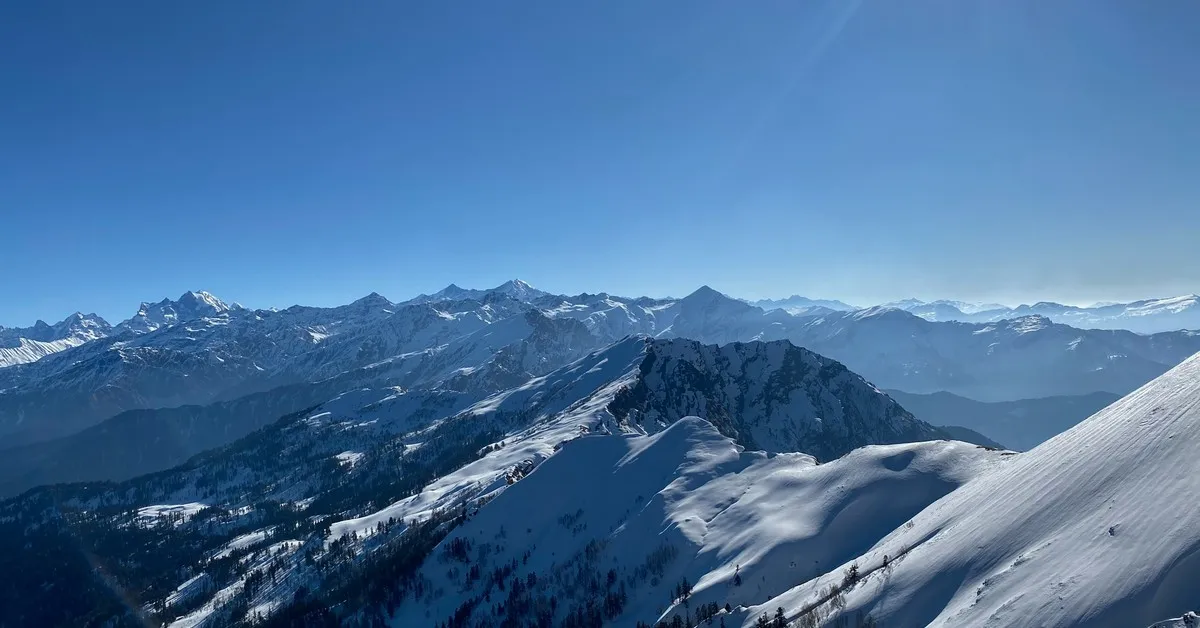
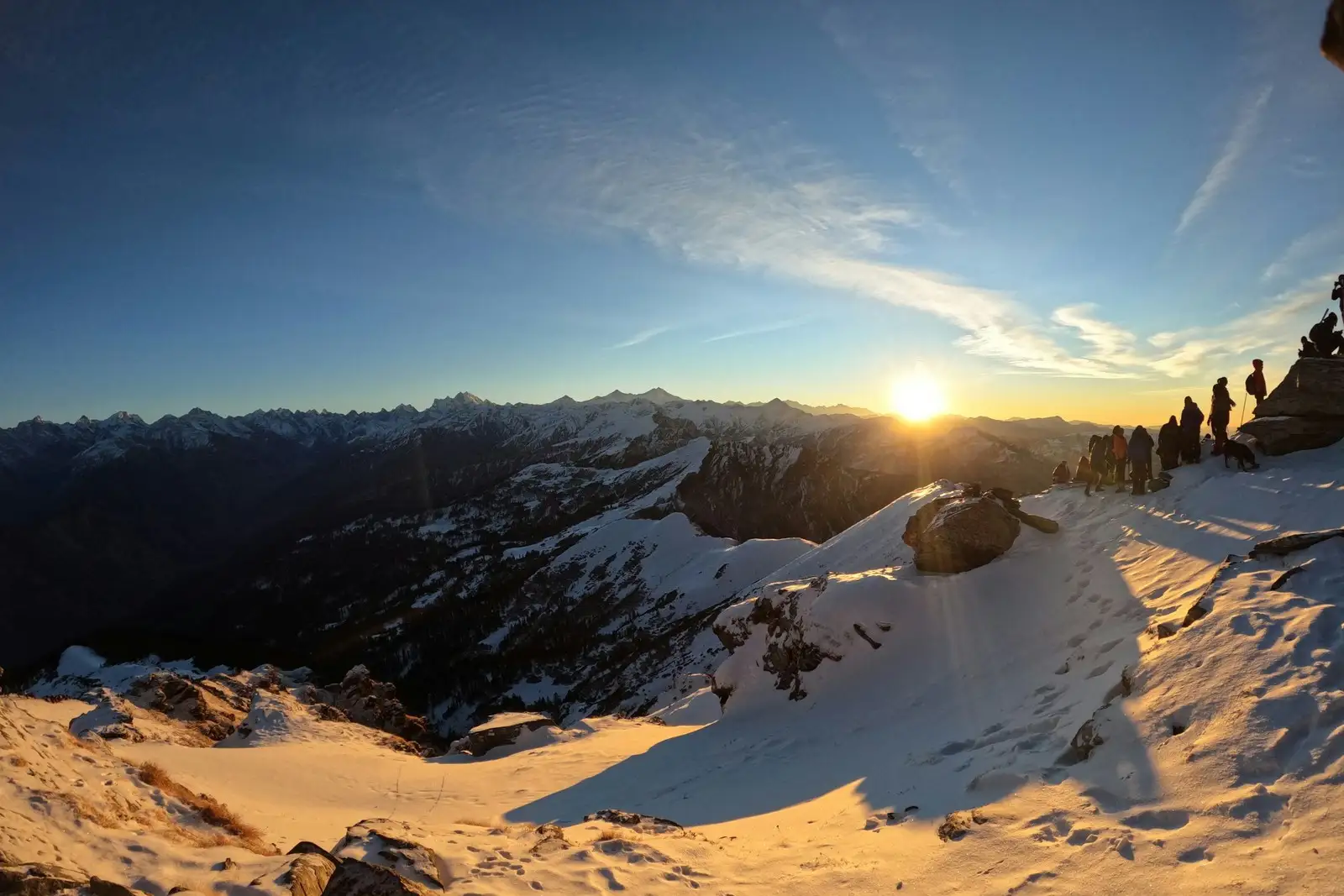
Imagine walking through quiet pine forests, the snow crunching under your shoes. You camp by a frozen lake. Then, one early morning, you climb to a summit and watch the sun light up a whole line of Himalayan peaks.
That’s Kedarkantha. And it’s one of the friendliest snow treks in India, even if you’ve never trekked before. In this guide, you’ll find the route, the cost, the permits, an easy day-by-day plan, and when Har Ki Dun makes more sense.
Kedarkantha Trek at a Glance
| Detail | Kedarkantha | Har Ki Dun |
|---|---|---|
| Highest point | About 12,500 ft (3,810 m) | About 11,700 ft (approx.) |
| Base village | Sankri | Sankri / Taluka |
| Days needed | 4 to 5 days from Sankri | 6 to 7 days from Sankri |
| Difficulty | Easy to moderate | Easy to moderate (longer) |
| Best for snow | December to March | December to March (deep snow can block upper parts) |
| Permits | Forest permit + local guide | Forest permit + local guide |
Where Is Kedarkantha?
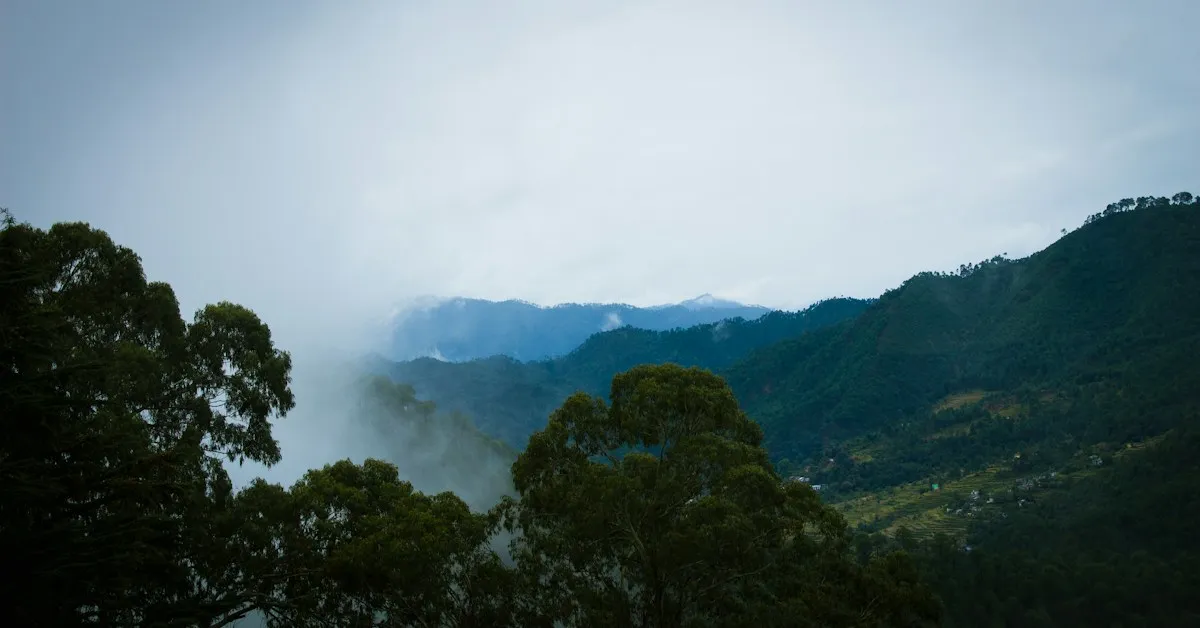
Kedarkantha is in Uttarkashi district of Uttarakhand, inside Govind Pashu Vihar National Park and Wildlife Sanctuary. The trek starts from Sankri, a small wooden-house village on the Tons river side of the hills. Sankri is roughly 8 to 10 hours by road from Dehradun.
Most people first reach Dehradun by train, flight or bus. Our guide on how to reach Dehradun covers every option. Most trek groups then run a shared or private cab from Dehradun to Sankri early in the morning.
Best Time for the Kedarkantha Winter Trek
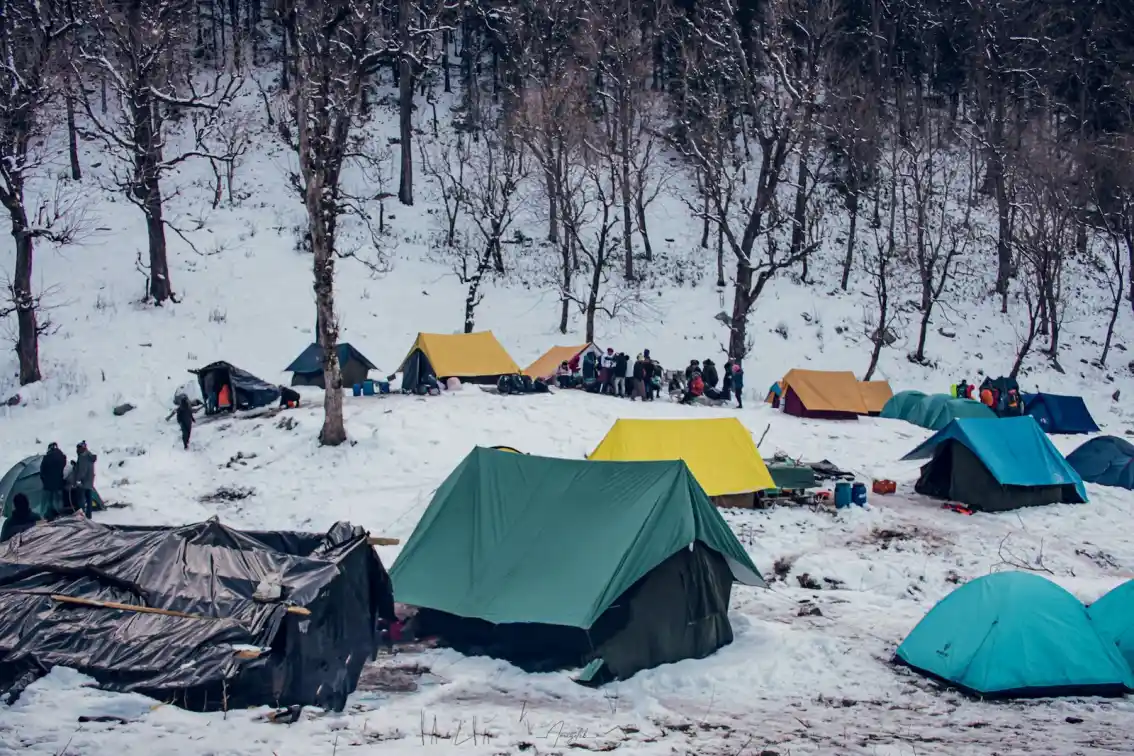
The best time for a snow trek to Kedarkantha is December to March. In late December and January, the forests and campsites are usually white, and the summit push is on snow. February and March often have deeper snow higher up and slightly warmer days.
Snow varies a lot by year, though. Last winter, December was almost dry across Uttarakhand, and real snow came only in late January. Read our snowfall in Uttarakhand guide to understand why, and ask your trek operator for current snow updates a week before you go.
Kedarkantha Trek Route and Easy 5-Day Plan
Most groups follow this route: Sankri → Juda ka Talab → Kedarkantha Base → Summit → Hargaon → Sankri. Here’s a simple plan:
Day 1: Dehradun to Sankri. A long drive through Mussoorie, Purola and Mori, along pine forests and the Tons river. Rest early in Sankri.
Day 2: Sankri to Juda ka Talab. A short but steady climb through pine and oak forest. Juda ka Talab is a small lake that often freezes in winter. Camp nearby.
Day 3: Juda ka Talab to Kedarkantha Base. A shorter day through snowy clearings. The base camp has wide views, and you rest early for the summit.
Day 4: Summit day, then down to Hargaon. Start very early, around 3 or 4 AM, with head torches. Reach the summit for sunrise, then come down to Hargaon camp. This is the longest and hardest day.
Day 5: Hargaon to Sankri, drive to Dehradun. An easy descent to Sankri, then the long drive back. Some groups stay one more night in Sankri instead.
Kedarkantha Trek Cost in 2026-27
A Kedarkantha trek with an operator usually costs about ₹6,500 to ₹12,000 per person. The price depends on group size, pickup point and comfort level. Many packages start from Sankri; Dehradun-to-Dehradun packages cost a little more because they include transport.
What’s usually included: tents, meals on the trek, guide and support staff, basic safety gear and forest permits for Indians. What’s usually extra: food on the road, offloading your backpack to a mule or porter, insurance and personal expenses. Always read the inclusions list before you pay.
Permits and Rules You Must Follow
Because Kedarkantha falls inside a national park, you need a forest permit. Trek guides commonly report a permit fee of about ₹150 for Indians and ₹600 for foreign nationals, valid for three days, but confirm the current fee with your operator or the forest office. A locally registered guide is also needed.
Trekking operators usually handle permits for you. Carry your original ID card. And please follow the park rules: stay on the trail, don’t litter, and carry all your waste back down. You can read more about the protected area on Govind Pashu Vihar National Park’s page.
What About the Har Ki Dun Winter Trek?
Har Ki Dun is a beautiful valley trek, also on the Sankri side of the hills. Instead of climbing one summit, you walk deep into a wide valley, past old wooden villages like Osla, with big snow peaks all around. It’s often called the “valley of gods”.
Choose Har Ki Dun if you have 6 to 7 days, love villages and culture, and want a longer, gentler walk. Choose Kedarkantha if you have only 4 to 5 days and want a summit with a big view. In deep winter, heavy snow can block the upper Har Ki Dun valley, so many groups prefer it in late winter or spring. Ask your operator how far they can go in your month.
Is Kedarkantha Good for Beginners?
Yes. Kedarkantha is one of the best first snow treks in India. The trail is well marked, the daily walking is manageable, and campsites are well spaced. The summit day is tough, but most fit beginners finish it with a good guide.
That said, it’s still a high-altitude trek in winter. Train for it. Walk or jog 4 to 5 km daily for a month before you go, and climb stairs to build leg strength. If you want more snow-trek options, see our Brahmatal trek itinerary and Kuari Pass trek plan.
What to Pack for a Kedarkantha Snow Trek
- A good trekking backpack (40 to 60 litres) and a small day pack
- Trekking shoes with strong grip, plus microspikes or gaiters if your operator asks
- Thermals, fleece, a down jacket, waterproof outer layers and woollen socks
- Woollen cap, warm gloves and a balaclava for summit day
- Sunglasses (UV protection) and sunscreen, because snow glare is strong
- Head torch, water bottles, basic medicines and a power bank
Safety Tips for a Winter Trek
- Go with a registered operator. Don’t trek alone in winter.
- Listen to your guide. If they turn back because of weather, turn back.
- Watch for altitude sickness. Headache, vomiting or breathlessness at rest are warning signs. Tell your guide at once.
- Keep warm and dry. Change out of wet socks quickly.
- Respect the forest. No loud music, no plastic left behind.
Conclusion
The Kedarkantha winter trek is the easiest way to feel real Himalayan snow in Uttarakhand. In 4 to 5 days from Sankri, you get forests, a frozen lake, snowy camps and a summit sunrise you’ll never forget. Har Ki Dun is the better pick if you have more days and want a long valley walk. Go between December and March, book with a registered operator who handles permits, train a little before you go, and pack warm. Your Kedarkantha trek 2026-27 could be the adventure that makes you fall in love with the mountains.
Frequently Asked Questions
What is the best time for the Kedarkantha trek?
December to March is the best time for the Kedarkantha trek if you want snow. Late December and January usually bring snowy forests and camps, while February and March can have deeper snow higher up. Snow changes every year, so ask your trek operator for the latest snow update about a week before your trip.
How much does the Kedarkantha trek cost?
A Kedarkantha trek with an operator usually costs about ₹6,500 to ₹12,000 per person in 2026-27. The price depends on whether you start from Sankri or Dehradun, the group size and comfort level. Packages normally include tents, meals, guide and permits for Indians, while backpack offloading, insurance and road meals cost extra.
Do I need a permit for the Kedarkantha trek?
Yes. Kedarkantha is inside Govind Pashu Vihar National Park, so a forest permit and a locally registered guide are needed. Trek guides commonly report the fee as about ₹150 for Indians and ₹600 for foreigners, valid for three days. Most operators arrange the permit for you, but always carry your original photo ID.
Is Kedarkantha safe for beginners?
Yes, Kedarkantha is one of the safest and most popular first snow treks in India. The trail is well marked and the daily walks are manageable. Summit day is long and tiring, so build fitness for a month before you go. Always trek with a registered operator and tell your guide at once if you feel unwell.
Which is better, Kedarkantha or Har Ki Dun?
Choose Kedarkantha if you have 4 to 5 days and want a snowy summit with a big Himalayan view. Choose Har Ki Dun if you have 6 to 7 days and prefer a long valley walk through old villages. In deep winter, heavy snow can block the upper Har Ki Dun valley, so ask your operator first.
How do I reach Sankri for the Kedarkantha trek?
First reach Dehradun by train, flight or bus. From Dehradun, Sankri is roughly 8 to 10 hours by road via Mussoorie, Purola and Mori. Most trek operators run shared cabs from Dehradun early in the morning. You can also hire a private taxi, but avoid driving the last stretch after dark in winter.