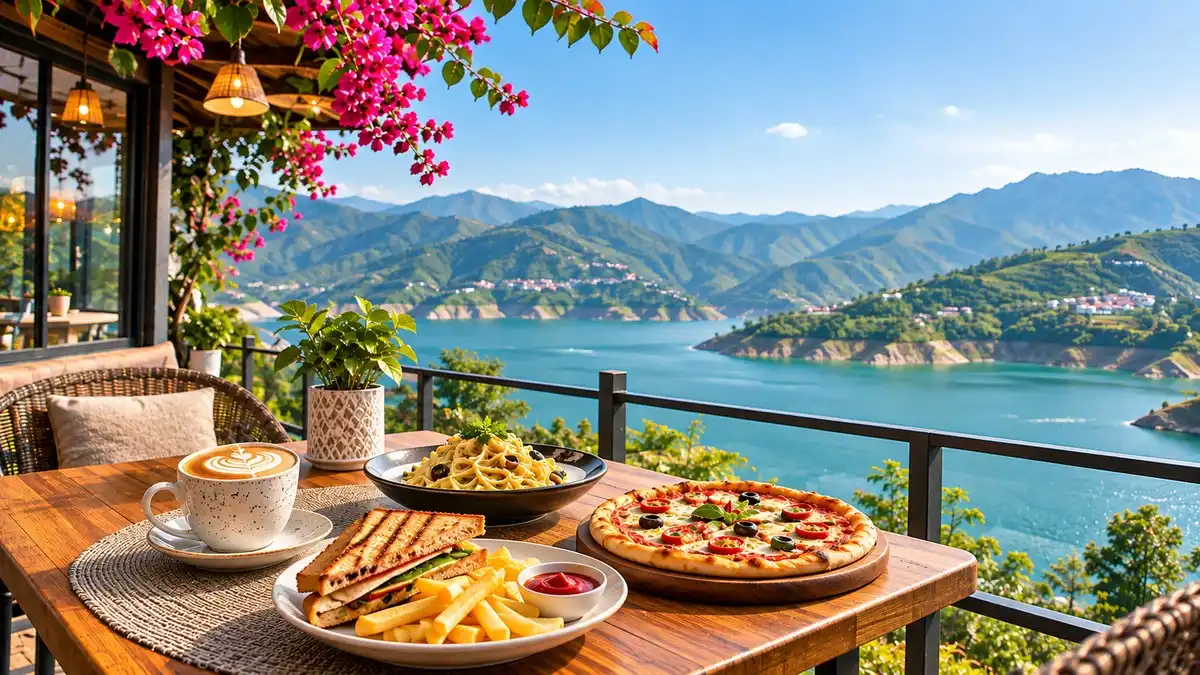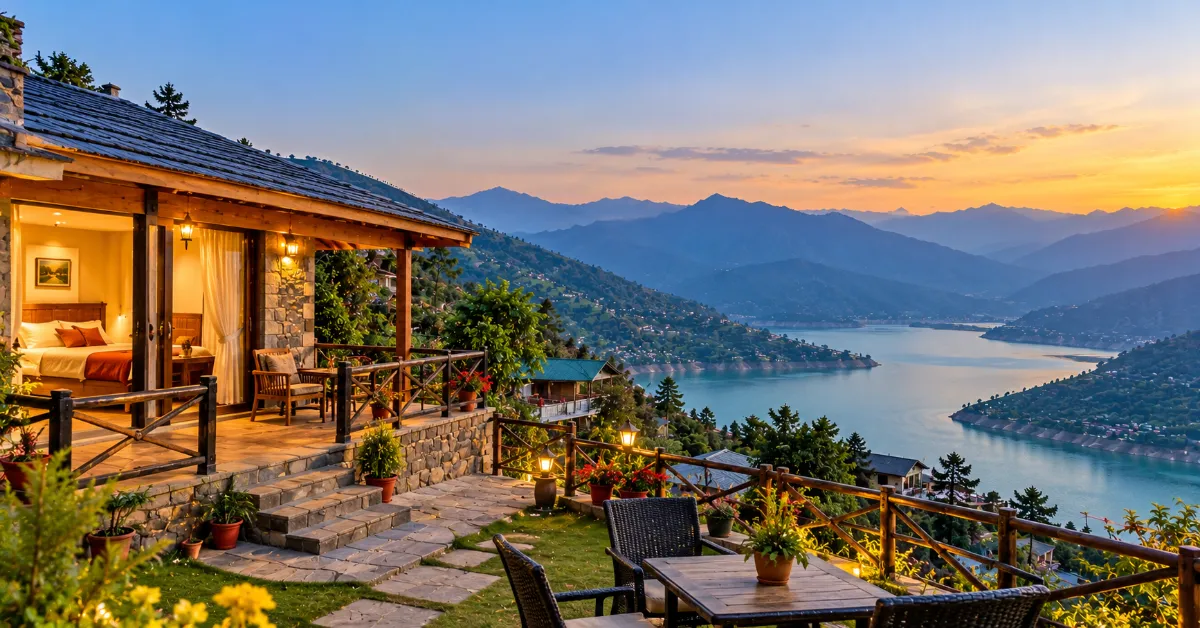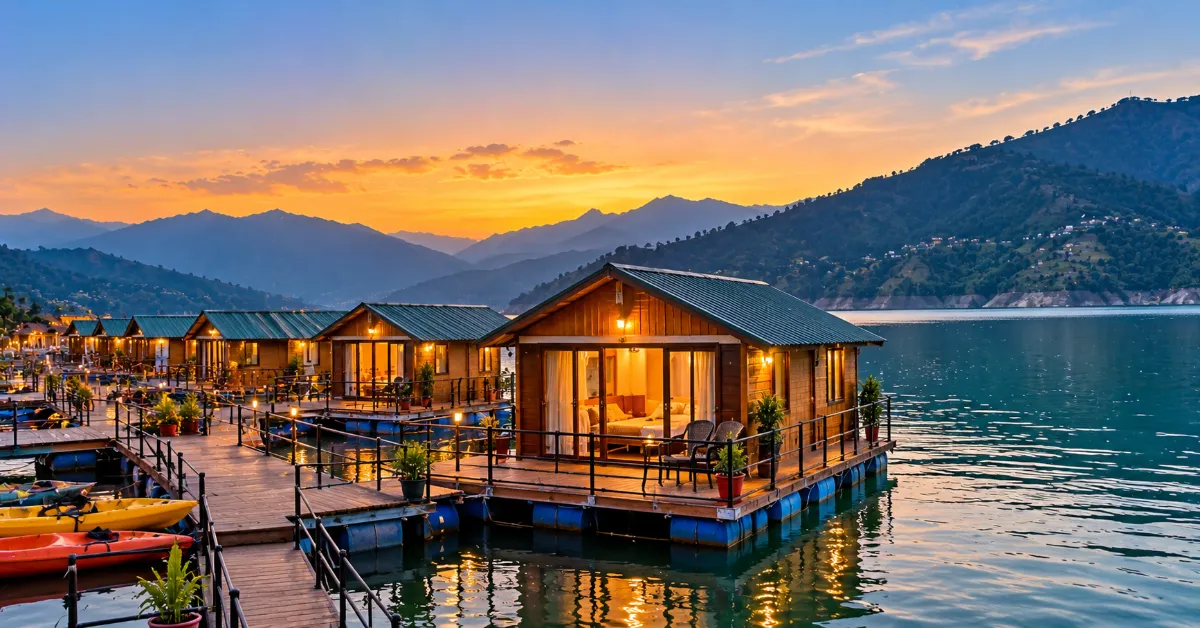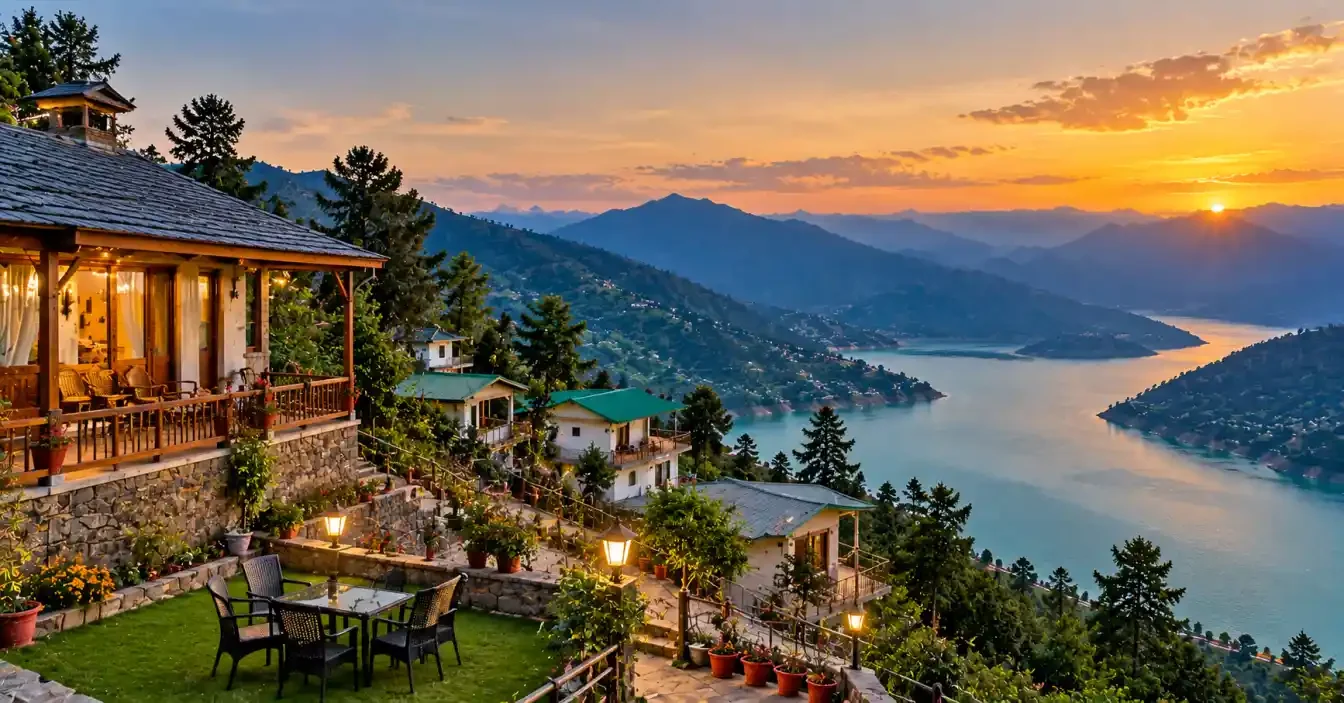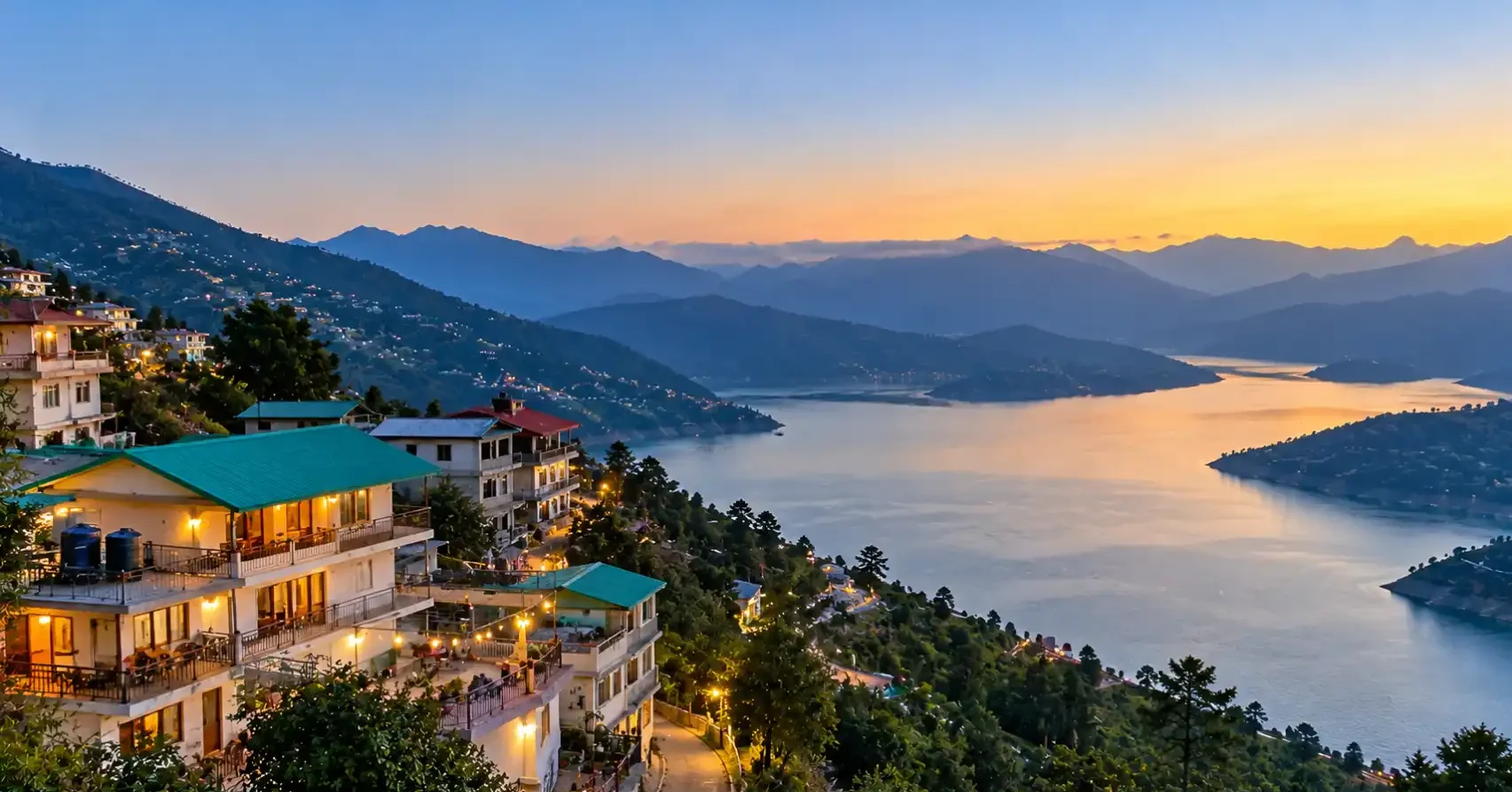
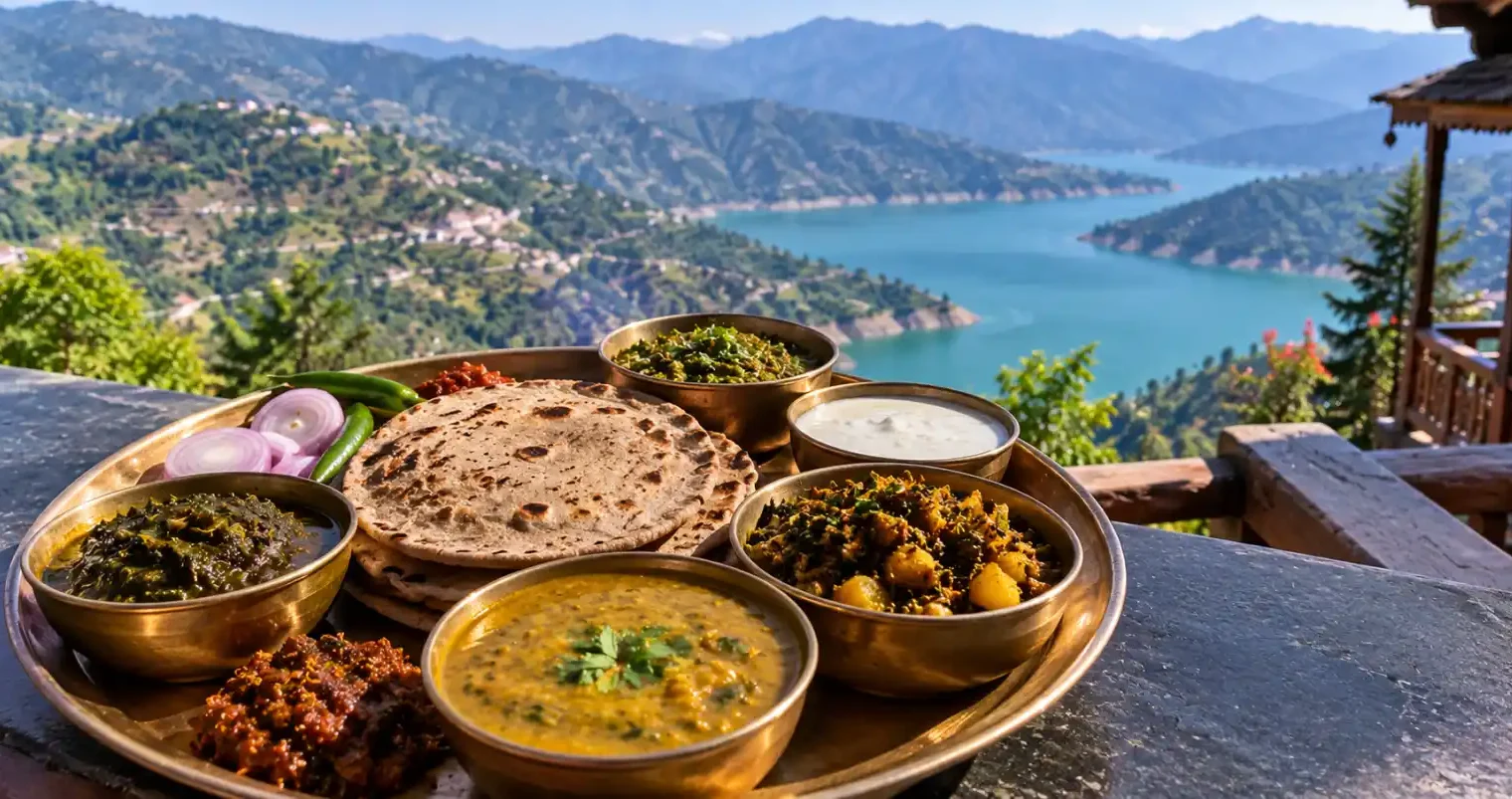
Most visitors to Tehri eat Maggi. Two days of lake views, and the only local thing on the plate is tea.
That’s a shame, because Garhwali food in Tehri is not a restaurant cuisine. It’s household cooking built on millets, foraged greens and dals that sit on a low flame for hours. The good version comes out of a homestay kitchen, not a menu card.
Here are the dishes worth asking for, what each one actually is, when it tastes best, and how to request a proper thali before you arrive.
What Makes Garhwali Food in Tehri Different?
Tehri sits in the middle of where these crops grow. Mandua, jhangora, gahat and bhatt are field crops here, not health-store imports. Nettle is picked from the slope behind the house. That proximity changes the cooking: less spice, longer cooking, and whatever the season gives.
City kitchens smooth these dishes out. Cream goes into the greens, and the dals get cooked in a fraction of the time. In a Tehri village kitchen the greens stay bitter at the edges and the dal soaks overnight before it meets heat. Different meals, really.
What sets the local plate apart
- Millets over wheat: Mandua (finger millet) and jhangora (barnyard millet) do the work rice and wheat do elsewhere.
- Jakhiya, not cumin: A tiny mustard-family seed that pops in hot oil and gives most Garhwali vegetables their signature crackle.
- Iron kadhai cooking: Greens and dals go into heavy iron, which is part of why the colour turns so dark.
- Foraged, not bought: Kandali (nettle) and seasonal greens come off the hillside, so the menu shifts every few weeks.
- Ghee at the end: Finishing fat matters more than front-loaded masala.
Once you know what the base is, the individual dishes make more sense.
Which Grains and Breads Should You Try First?
Start with mandua ki roti. It’s a dark, almost chocolate-coloured finger millet flatbread, heavier than wheat roti and slightly nutty. Ask for it with ghee and a green. Jhangora, the barnyard millet, shows up two ways: as a roti at the start of a thali, and as kheer at the end.
Mandua roti takes practice. It crumbles, it’s dense, and the first one surprises people. Give it a second. Warm, with ghee and saag, it stops feeling like health food and starts feeling like the point of the meal.
Grains worth ordering
- Mandua ki roti: Finger millet flatbread, dark and dense. Best hot, straight off the tawa, with ghee.
- Jhangora ki roti: Lighter barnyard millet bread, often served first in a thali alongside chutney.
- Jhangora ki kheer: The same millet cooked slowly in milk with cardamom and dry fruit. Grainier than rice kheer.
- Baadi: Buckwheat flour stirred into boiling water until thick, then eaten with ghee. Quick, filling, and divisive.
- Gulgula: Small jaggery and wheat flour fritters, more a snack than a dessert.
Breads sorted. Now the dish you’re least likely to be offered.
What Is Ras Bhatt, and Why Is It Served to Guests?
Ras bhatt is a dal broth poured over rice, and it’s the dish locals cook when someone visits. Several pulses, often pahadi rajma, black and white bhatt, urad, small black chana and gahat, soak overnight, then simmer slowly in their own soaking water. The flavoured liquid, the ras, is drained off and tempered.
That tempering is where it turns. Ghee, hing and jhambu go in, and in some homes the pot gets a dhungar smoking. The result is thin, dark and deeply savoury, somewhere between a soup and a gravy. It’s cold weather food, and almost nobody serves it to passing tourists unless asked.
How to actually get ras bhatt
- Ask the day before. The pulses need an overnight soak, so a same-day request usually gets you something else.
- Request it at a homestay, not a hotel. Hotel kitchens near the lake mostly cook north Indian menus.
- Expect it in the cold months. It’s a winter comfort dish and may not be made in peak summer.
- Eat it over plain rice, not roti. The ras is the point.
- Say “ras bhatt” clearly. Some families call the broth simply “ras,” and the pulses vary by household.
That’s the dish to chase. The everyday plate is built on something simpler.
Which Greens and Chutneys Should You Not Skip?
Two things define the daily Garhwali plate in Tehri: kandali ka saag and bhang ki chutney. Kandali is stinging nettle, boiled until the sting and acidity disappear, then chopped and cooked with jakhiya, garlic, dried red chilli and turmeric. Many cooks blend it with spinach to soften the bitterness.
Bhang ki chutney confuses visitors, so here’s the plain version. It’s made from hemp seeds, not the flower or bud, and it isn’t psychoactive. The seeds are toasted carefully, since they burn fast, then ground with coriander, mint, green chilli, garlic, cumin, lemon and salt. It’s tart, nutty and served in small quantities.
Greens and sides to look for
- Kandali ka saag: Nettle greens, often mixed with spinach. Earthy and slightly bitter, eaten with mandua roti.
- Bhang ki chutney: Toasted hemp seed chutney, tangy and nutty. A spoonful goes a long way.
- Gahat ki dal: Horse gram, cooked thin as a dal or thick as a paratha filling. Considered warming in winter.
- Aloo with jakhiya: Simple potatoes tempered with jakhiya seeds, the most reliably available local dish.
- Chainsoo and phaanu: Thick ground-dal preparations, more common on restaurant menus than in Tehri homes. The Dehradun food guide covers those in detail.
That covers the vegetarian core. There’s more on the plate than people expect.
Is There Non-Vegetarian Food in Tehri Garhwal?
Yes. Garhwali cooking includes meat, and local accounts describe it as a point of pride rather than an afterthought. Two things stand out near Tehri: Himalayan river trout and pahadi mutton curry. Neither is easy to find on a short trip, and both usually need advance notice.
Trout is the one worth the effort. It’s marinated in salt, chilli, ginger-garlic, lemon and mustard oil, pan-fried, then finished in a tomato gravy built on jakhiya. Served with rice, it beats the lake-view buffet most visitors settle for. Supply varies, so ask rather than assume.
What to know before ordering meat
- Order ahead. Trout and mutton are rarely kept ready, and homestays shop for them.
- Expect mustard oil, which carries a sharper flavour than visitors may be used to.
- Many households cook vegetarian on festival days, so the answer can be no.
- Lake fish is not the same thing. Ask what the source is before paying trout prices.
What Should You Eat in Each Season?
Season decides the menu more than any menu card does. Winter brings ras bhatt, gahat and heavier dals. Spring and early summer bring fresh greens. Monsoon shrinks the choice and makes travel harder. Autumn, roughly October and November, is the easiest time to eat well in Tehri.
Season by season
- October and November: Best overall. Harvest is in, roads are clear, and homestays are running.
- December to February: Winter dals come out. Ras bhatt, gahat and heavy ghee food suit the cold.
- March to June: Fresh greens and the widest homestay availability, but also the busiest months.
- July to mid September: Monsoon. Fewer options, and landslide risk on the Chamba roads.
FAQs About Garhwali Food in Tehri Garhwal
Is bhang ki chutney the same as cannabis?
No. Bhang ki chutney is made from hemp seeds, not the flower or bud, and it has no intoxicating effect. The seeds are toasted and ground with herbs, lemon and chilli into a tart condiment. It is an everyday side dish in Garhwali homes, eaten in small spoonfuls.
What is the most famous Garhwali dish?
Kafuli, a thick green gravy of spinach and fenugreek, is the dish most often named as Uttarakhand’s signature. In Tehri households, though, mandua ki roti with a seasonal saag is the more common everyday meal, and ras bhatt is the dish served to welcome guests.
Is Garhwali food spicy?
Not particularly. Garhwali cooking uses restraint with chilli and relies on jakhiya seeds, garlic, ghee and long cooking for flavour. Mustard oil adds sharpness in meat dishes. Most visitors find the food milder than north Indian restaurant fare, and children usually eat it without trouble.
Can vegetarians eat well in Tehri?
Easily. The everyday plate here is vegetarian: millet rotis, dals, seasonal greens and chutneys. Meat appears on occasion rather than daily. Vegetarians usually have more local choice than meat eaters do, since trout and mutton both need to be ordered a day ahead.
Eating Well in Tehri Takes One Phone Call
The difference between a trip that tastes like Maggi and one that tastes like the hills is a message sent the day before. Tell your homestay you want Garhwali food, name a dish or two, and let them shop for it.
Start with mandua roti and a saag. Ask about ras bhatt. Keep the chutney on the side and go slow with it.